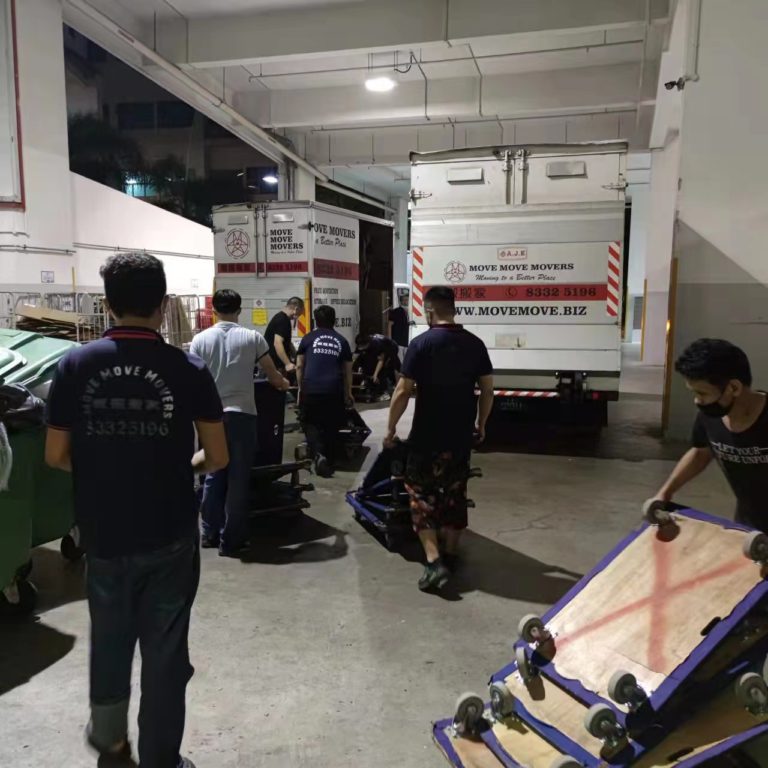
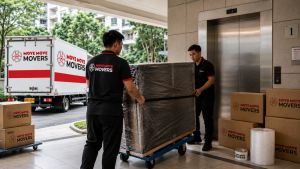
Office relocations usually become stressful for one reason: the team only starts planning recovery after the move has already been booked.
That is when confusion appears. Desks arrive but labels do not match. Devices are delivered but no one knows where they should go. IT setup runs late. Staff are unsure what to pack, what stays behind, and when teams are expected to resume work.
A smoother office move does not come from moving faster alone. It comes from planning the restart properly.
Appoint one internal move lead early
Even when a moving company is handling the physical relocation, your business still needs one internal person to coordinate floor plans, seating assignments, asset priorities, internal communication and decision-making.
Build a floor plan, seating map and label system
One of the most practical ways to reduce confusion is to decide placement before the move starts. A clear plan should show which team sits where, how each workstation is labelled, where shared devices should go, and which rooms must be functional first.
Separate critical equipment from non-critical items
Not every office item should be treated the same. Identify the assets that must be available first, such as workstations, monitors, printers, meeting-room essentials or operational materials needed immediately.
Plan IT shutdown, reconnection and first-day readiness
Many office moves look complete physically but still fail operationally because the recovery plan was too vague. Before the move, align shutdown timing, reconnection responsibility, workstation deployment sequence and which teams need to go live first.
This is one reason businesses often use a dedicated office moving service in Singapore instead of relying on a general mover with no office relocation process.
Move by team, function or phase where needed
Some office relocations work well as a single move. Others are more stable when broken into phases, especially when different departments have different operating priorities or when access windows are limited.
Brief staff clearly before move day
Before relocation day, communicate when staff should finish packing, what employees should label themselves, what should not be packed, and what the first day in the new office is meant to look like.
Use a handover and restart checklist after delivery
The move is not finished when the truck leaves. A proper handover checks that key workstations are in the right place, critical devices have been delivered, and priority rooms are operational before the project closes.
If the office move is part of a wider business relocation, our commercial moving services page covers the broader project scope.