










Singapore condo moving guide
Plan the building access before you plan the loading
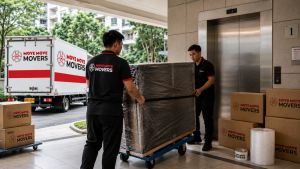
A condo move is shaped by two things at once: what must be moved and what the MCST or managing agent allows. Confirm the permit, approved hours, lift protection and vehicle route early, then ask the mover to quote against those actual conditions.
Send the mover both addresses, an item list, the move date and clear photos or video of the loading route. Separately, get the latest moving form and rules from the management offices at both properties.
A service lift, basement, slope, distant loading point or lift change can alter manpower, pushing distance, protection and timing.
Check the approved moving hours
Condo management commonly limits moving and renovation activity to approved working periods. Do not assume the rules at the pickup and delivery properties are the same.
Before booking: ask both management offices for the current written rules, including the last permitted lift trip and any lunch-hour or vehicle-entry restriction.
Apply for the moving permit early
Residents normally need the management's approval whether moving into or out of a condominium. The form may ask for the resident, contractor and job details.
Submission timing
Some condos request the form to be submitted at least 3 to 7 working days before the moving date.
Details to prepare
The application form requires residents’ details and contractor details. Worker details may also appear on the form, although the original guide records that they were not necessary in most cases.
Do not confuse the permit with the booking
Confirm who will submit the form, who supplies contractor particulars, whether a deposit is required and when approval is considered final. For payment options when an MCST asks for a moving deposit, see the condo moving deposit guide.
Separate management charges from the mover's quote
Fees charged by a condo management office are not automatically part of the moving company's scope.
Some condos even charge residents an admin fee for their house moving.
The cost ranges from $20 to $200 in most extreme cases. E.g., D’Leedon in Bukit Timah charges $180+ to process your moving application after they changed management in 2021.
Who should pay? Residents need to pay their own management for this.
The named example above is retained from the original 2021 guide. Always obtain the current amount, payment method, refund conditions and deadline directly from the managing agent.
Confirm how lift padding is supplied and installed
Lift padding is normally made for a particular lift and belongs to the building. It is not a universal moving blanket that a mover can substitute without management approval.
Management-supplied padding
Some condos charge residents about $20 to $50 for use of lift padding. Usually, the movers can put up the lift padding for full house moving customers when the building supplies the correct set.
Who prepares the lift?
Some condos prepare the padded lift before moving begins. Others expect the contractor to arrange installation. Confirm the handover time and whether the mover is permitted to install it.
Original guide example
Some condos do not even have padding for their lift and expect contractors to prepare, which is impossible. E.g., Chantilly Rise in Hillview.
Measure the vehicle route—not only the unit
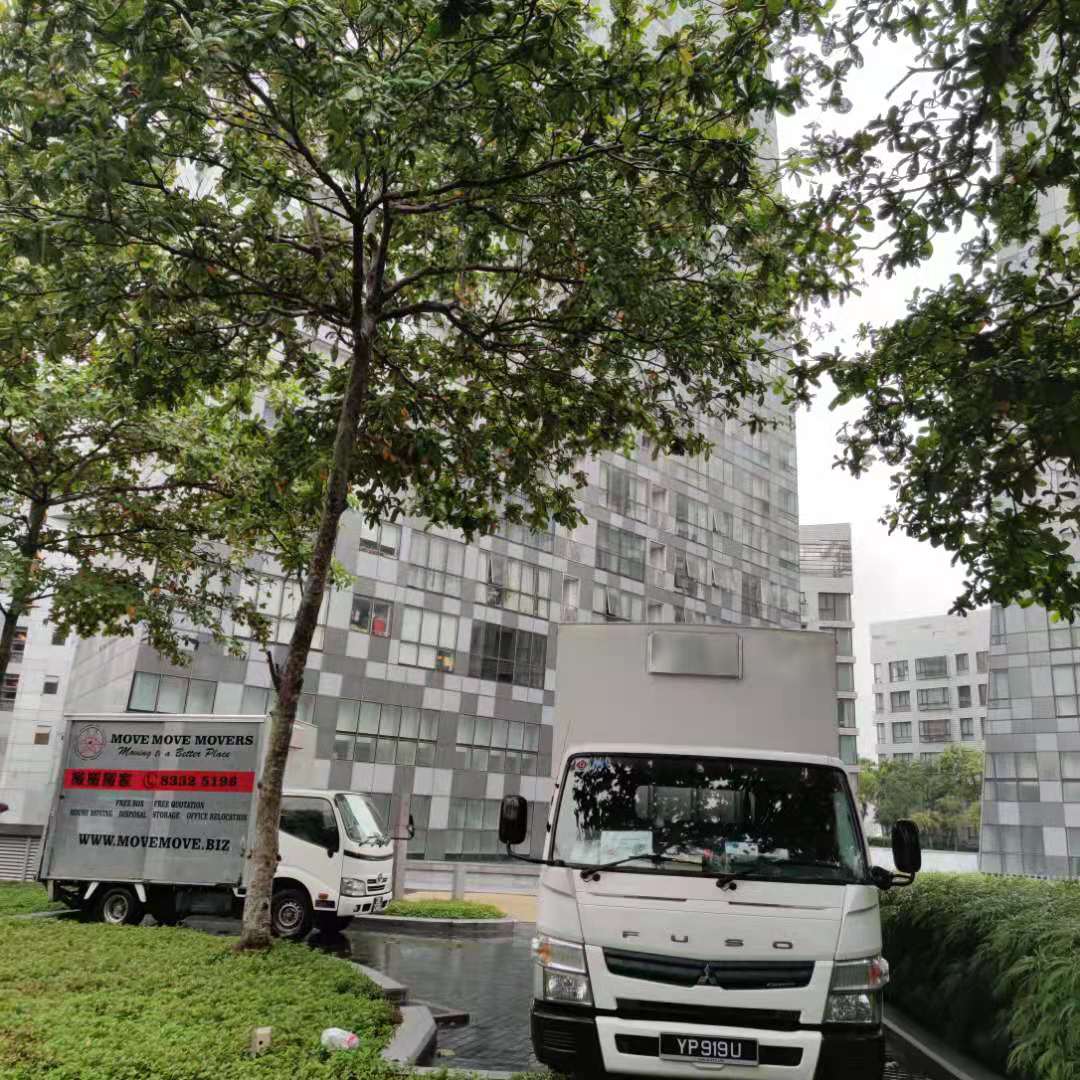
The original guide records that many condo basement carparks have a height limit below 2.4 m, while box-type moving lorries can exceed 3 m in total height. A box lorry cannot enter a carpark that is lower than the vehicle.
- Photograph the height-limit sign and loading-bay entrance.
- Confirm the approved parking point and vehicle waiting rules.
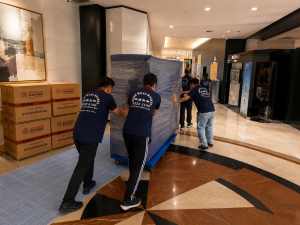
- Trace the trolley route from lorry to lift and from lift to unit.
- Record kerbs, ramps, slopes, uneven paving and lift exchanges.
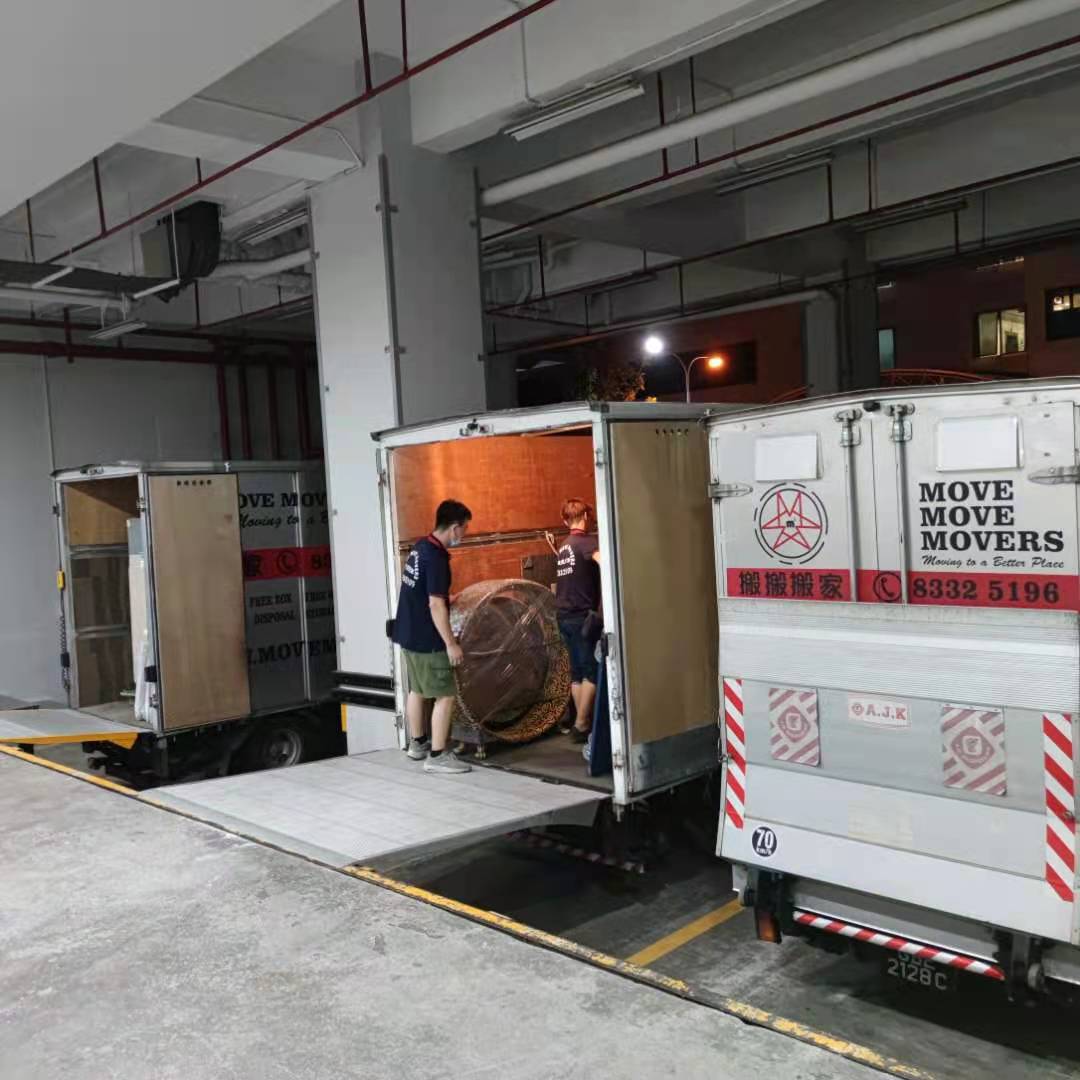
Show every access condition before the quote is accepted
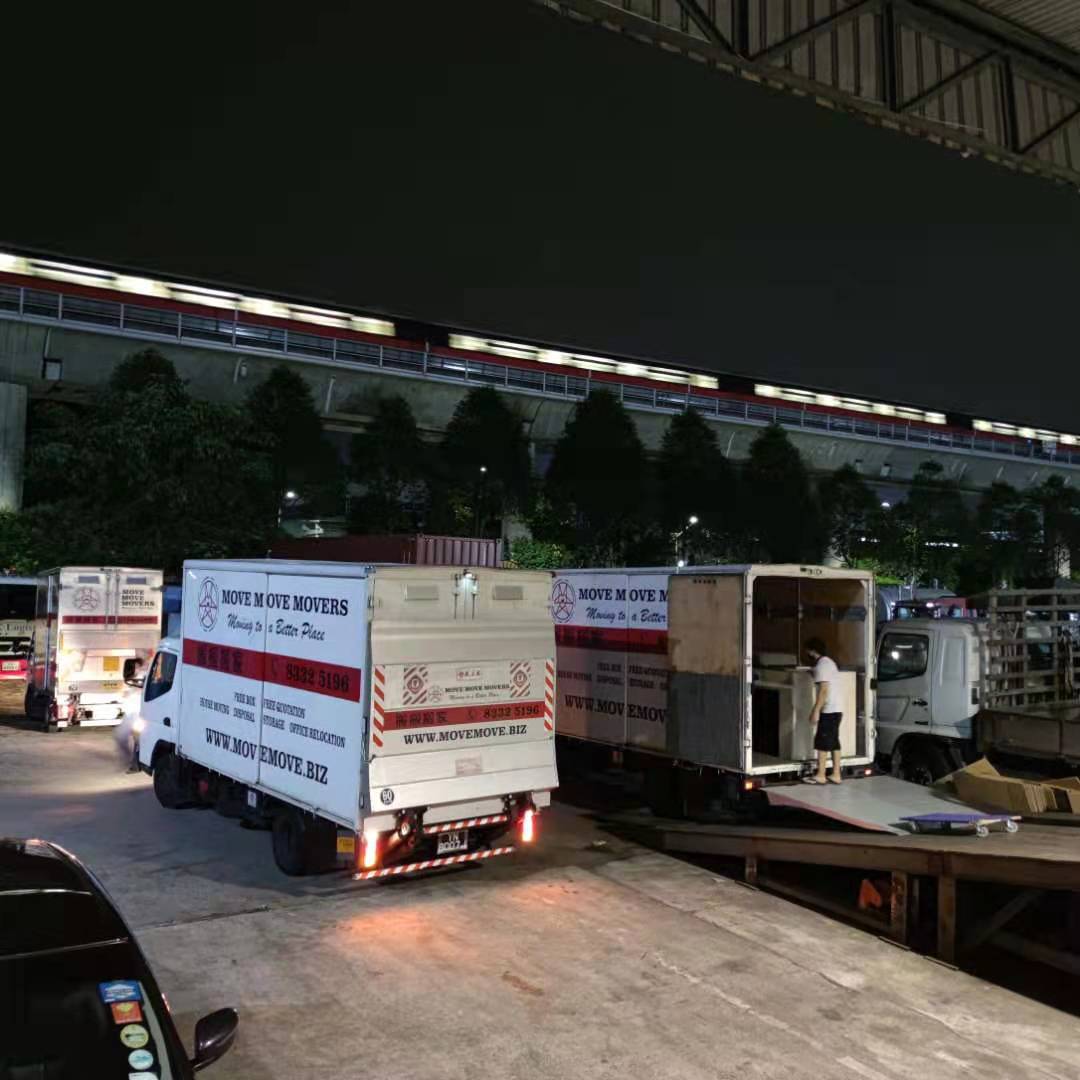
A quotation can only reflect access work that is known. The original guide highlights six conditions that may require more pushing, protection, handling time or manpower.
Long pushing distance
Lorry parking outside the condo or far from the block can create a long trolley route. Original example: One North Residence at Commonwealth.
Basement route
Some managements require movers to use the basement, including a ramp between ground-level parking and the B1 or B2 lift lobby. Original example: Sophia Hills at Mount Sophia.
Slope pushing
A steep access slope makes it harder to move loaded trolleys safely. Original examples: Terrasse at Hougang and The Cathay Residences at Mount Sophia.
Exchange of lifts
The moving route may require several lift stages rather than the direct passenger-lift path residents use. Original examples: Watertown at Punggol and The Sail at Marina Bay.
Extra floor protection
Some buildings require floor or lift-lobby protection that is not part of a mover's default scope. Original example: Tree House condo at Bukit Panjang.
Uneven stone surfaces
Stone paving can obstruct small trolley wheels and slow the route. Original examples: Concourse Skyline on Beach Road and Nineteen Shelford on Shelford Road.
These property examples are retained from the original guide to explain access patterns, not to replace the current rules of any named building. Reconfirm today’s route and requirements with its management.
Ready to plan a condo move?
Share the item list, both addresses, move date, permit requirements and a video of the loading route. Compare the exact scope through the condo moving service and moving price guide.