












Office survey guide
Scope the office move before the quote becomes a problem
An office move is easier to quote and easier to run when the mover sees the real scope early: workstation clusters, service-lift rules, loading bay access, IT equipment, records and the deadline for restarting work.
Before quote confirmation
01Map the service lift, loading bay, basement height and long-push route before quote confirmation.
02Separate desks, cabinets, IT equipment, records, disposal items and first-unload priorities.
03Confirm manpower, dismantling, packing and after-hours assumptions before move day.
Best for office teams that need
01A practical brief before asking for an office moving quote
02A clearer way to avoid under-scoped access, IT and record handling
03A quote that reflects Singapore building rules, not only item count
Survey first
The quote should be based on the actual office route, not a rough guess from the number of desks.
Access changes cost
Service-lift booking, loading bay timing, long push routes and after-hours access can change the real effort quickly.
IT needs ownership
Movers can protect and move equipment, while the business should still own backup, shutdown and restart testing.
Start with the survey, not the truck
A Singapore office move usually becomes difficult before the lorry arrives. The common blockers are not distance across the island, but service-lift booking, shared loading bays, basement height limits, after-hours security, workstation dismantling, IT equipment ownership and the old-office handover deadline.
If your team is comparing an office moving service in Singapore, treat the survey as a scope meeting, not a courtesy visit. A good survey should turn vague phrases like "around 20 desks" into a move plan: which items are loose, which need dismantling, which lift can be used, which route needs protection and what must restart first at the new office.
This is especially useful for CBD offices, strata-titled commercial units, co-working suites, industrial offices and retail-office backrooms where the building rules can change the real labour more than the driving distance.
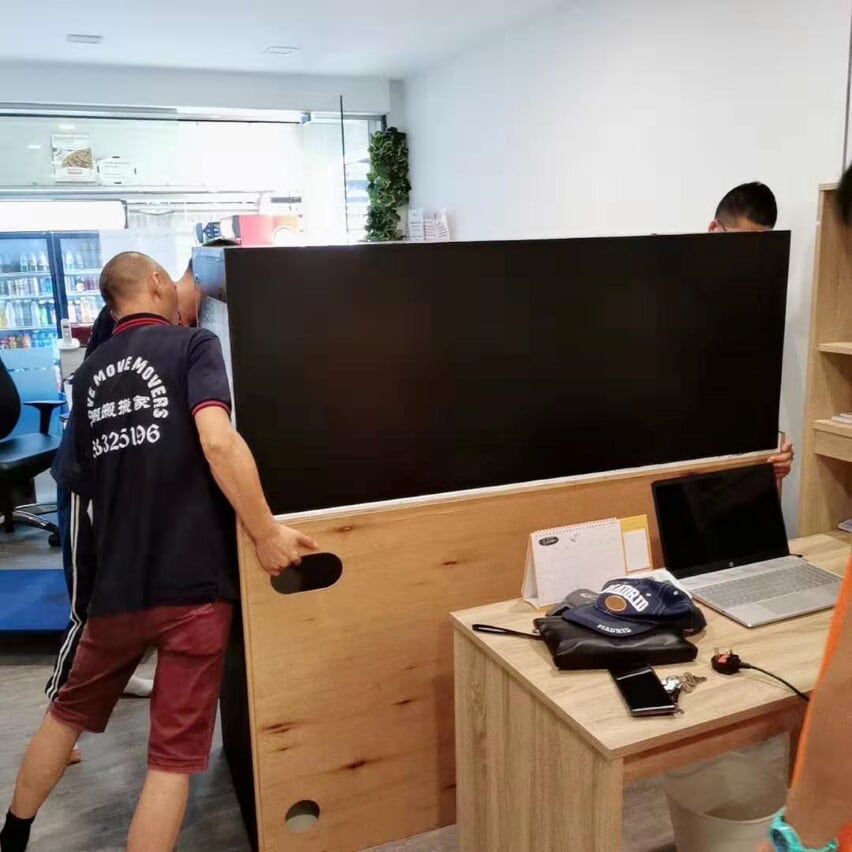
A site survey should turn vague scope into a move plan
The moving team can plan better when it sees actual workstations, cabinets, lift lobbies, loading bays and staging space.
What to prepare before the mover visits
Prepare a short item list before the site survey. It does not need to be perfect, but it should separate the major groups the mover will actually price and plan around:
- Workstation clusters, loose desks, meeting tables, office chairs and pedestal drawers.
- Filing cabinets, compactus units, safes, archive boxes and confidential records.
- Monitors, printers, network racks, UPS units, routers and meeting-room equipment.
- Pantry appliances, reception fixtures, display items and glass or fragile items.
- Items to move, clear, store, hand to another vendor or leave for reinstatement.
Photos make the quote more reliable when the mover cannot inspect every corner. Take one wide photo from each room entrance, one photo of each heavy or fragile item, and separate photos of lift lobbies, corridors, glass doors, stairs, loading bays and any long push route from the vehicle to the lift.
If the office is in a tower, mall, business park or industrial building, also send any building-management moving form you already have. Some sites ask for mover details, vehicle information, lift protection, security registration or a confirmed move window before the job can proceed.
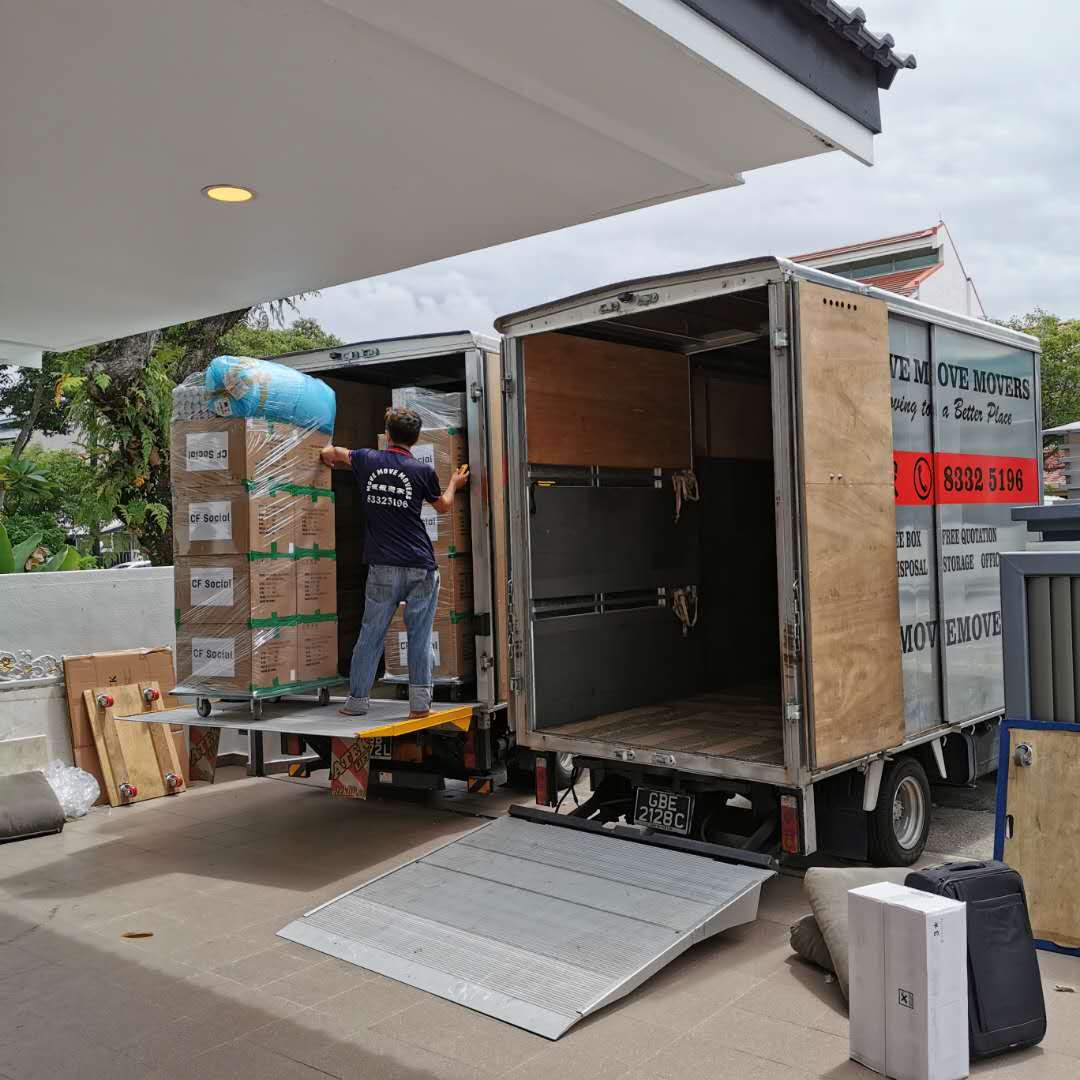
Building access can decide the pace of the whole move
Loading bay rules, service-lift timing and basement limits should be confirmed before the final quote.
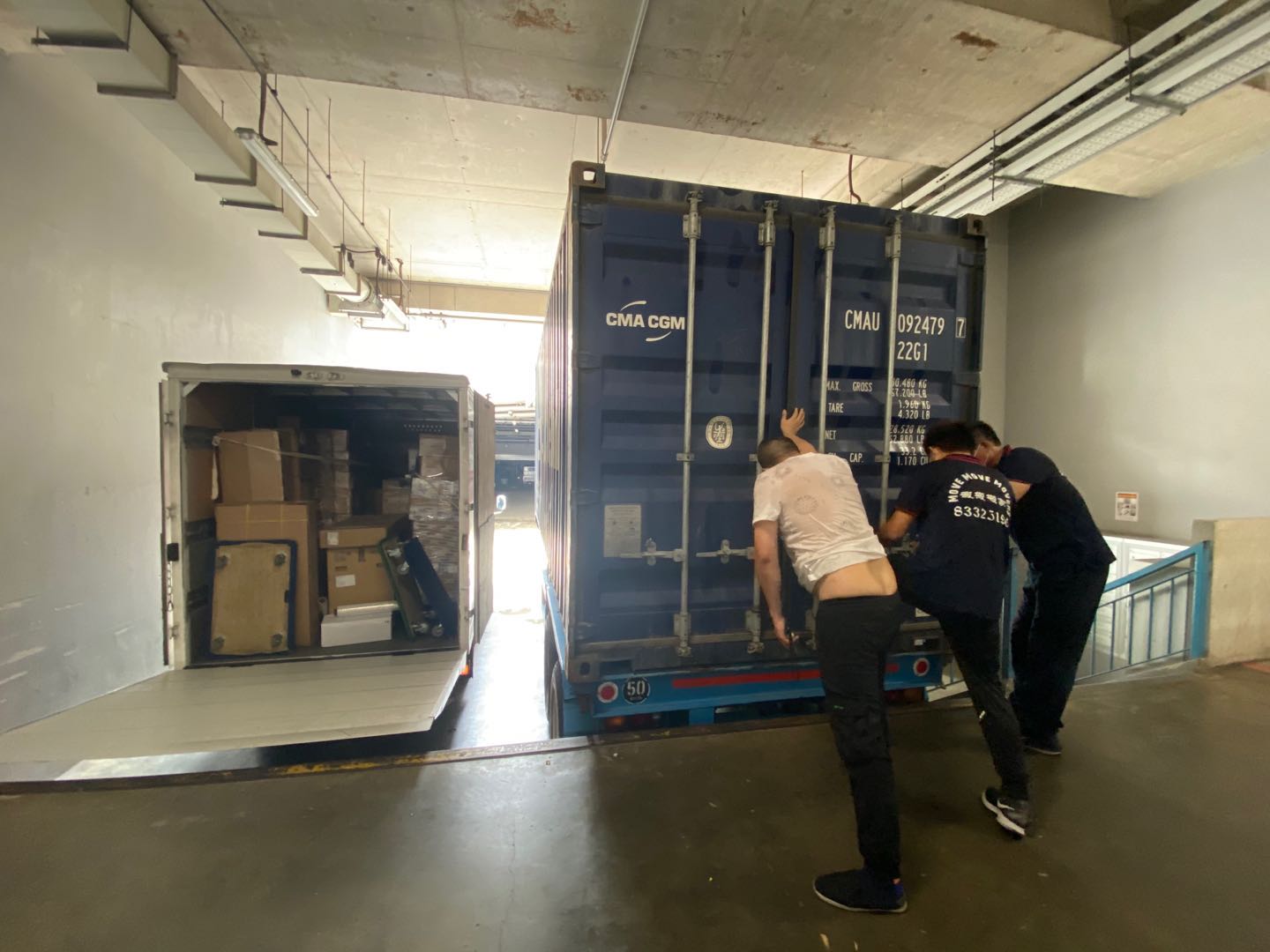
Access checks that decide the real move plan
In Singapore office buildings, access often decides the move more than distance. Confirm these details before quote approval:
- Origin and destination loading bay locations, including whether the bay is shared with deliveries.
- Service-lift booking rules, lift padding requirements and approved move-in or move-out windows.
- Basement height limits, B1/B2 access, gantry clearance and whether a smaller vehicle or shuttle is needed.
- Long push distance from lorry to lift, narrow corridors, stairs, glass doors and security turnstiles.
- Building-management paperwork, MCST or strata rules where relevant, and after-hours guardhouse access.
These details help the mover plan manpower, trolley routes, wrapping, staging areas and move timing. They also make the quote more transparent because long push, waiting time, stairs, restricted access and after-hours work can change the real effort quickly.
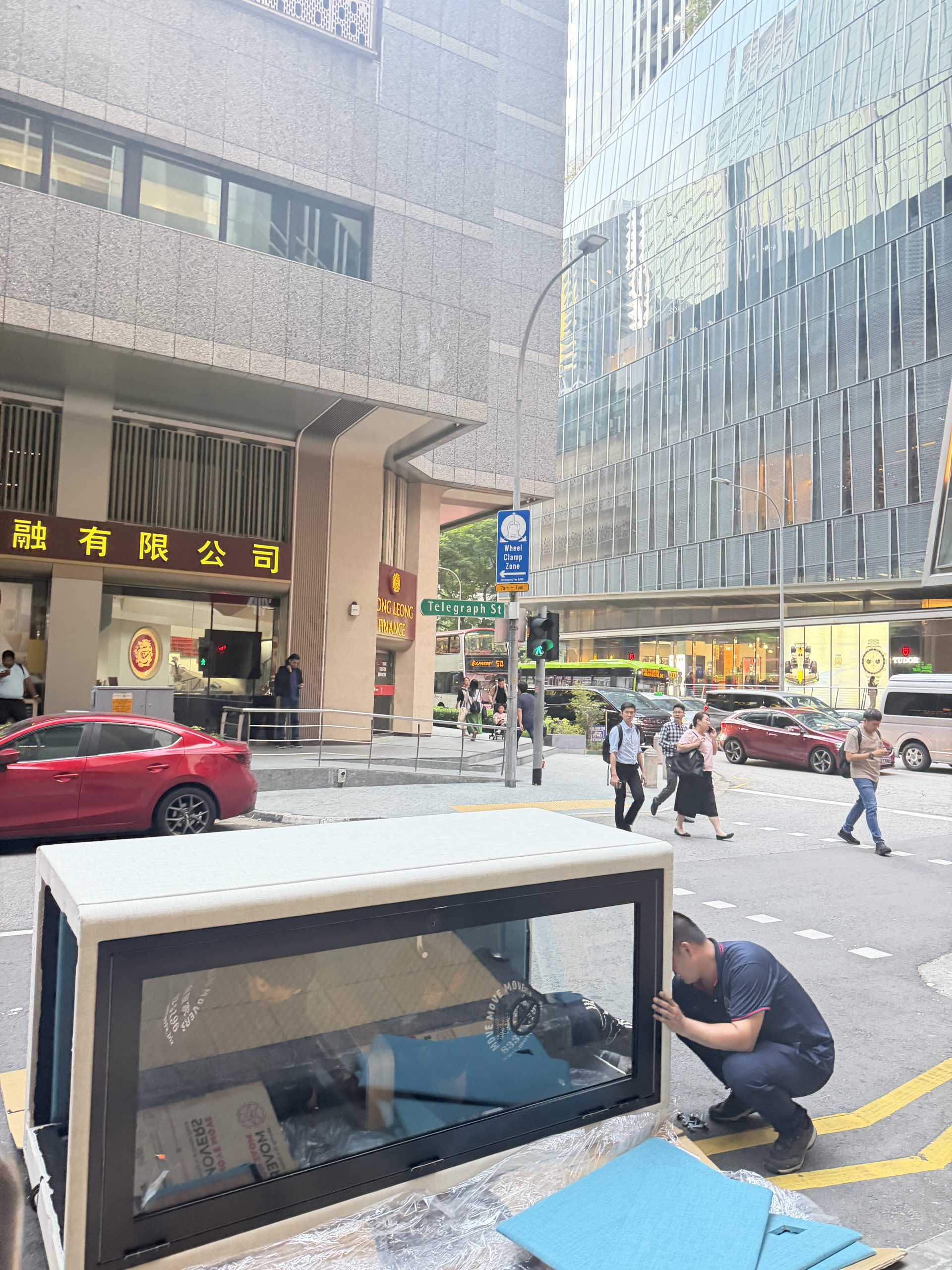
IT and records need clearer handling notes
Fragile equipment, confidential records and priority desks should not be discovered only on move day.
Protect IT equipment and confidential records
Office moving is not the same as general furniture delivery. The move may include monitors, laptops, printers, routers, server-room accessories, confidential files and client records. Decide who owns each step before move day:
- Internal IT or your IT vendor should handle backups, shutdown, cable mapping and restart priority.
- The mover should know which IT items are loose, boxed, fragile, heavy, not stackable or not allowed to tilt.
- Confidential records should be sealed, labeled by department and assigned to a responsible person.
- Priority desks, network equipment and reception items should be marked for first unload.
Move Move Movers can handle the physical moving scope, packing, protection and placement. Your internal team should still own data backup, telco or network cutover, system shutdown and post-move testing. That split keeps the mover focused on safe handling while your team protects business continuity.
The quote should show the operational assumptions
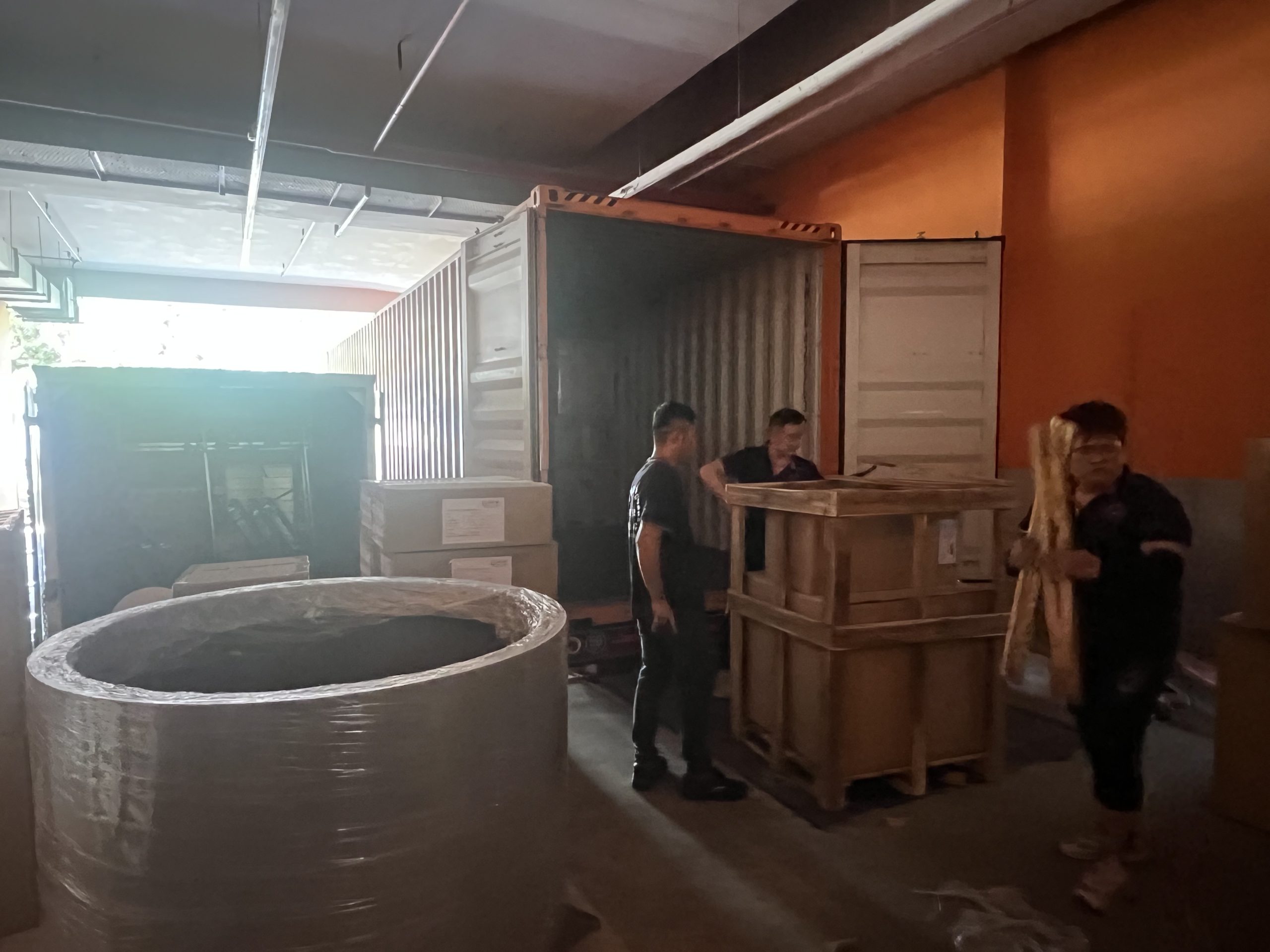
Manpower, packing, dismantling, disposal, waiting time and special handling need to be visible before approval.
How the quote should be scoped
A useful office moving quote should show what is included, what is excluded and what information could still change the price. Ask for clarity on:
- Carton supply, packing materials, labels, shrink wrap and protection for screens or fragile equipment.
- Dismantling and reassembly of modular desks, meeting tables, cabinets or workstation panels.
- Manpower, vehicle type, number of trips and estimated move duration.
- Disposal, office clearance, short-term storage or phased delivery.
- After-hours work, waiting time, stairs, long push, lift padding, security delays or special handling.
If your team needs a broader cost framework before collecting quotes, review the moving price guide and then confirm the office-specific details with a mover. A cheap quote that ignores lift booking, loading access or workstation dismantling may simply be pricing a smaller job.
When this is more than a normal office move
This article focuses on office relocation. If your project also involves retail fixtures, F&B equipment, gym equipment, warehouse stock, event logistics or mixed business sites, compare the broader commercial movers Singapore page as well. Those jobs may need mall access coordination, heavier equipment handling, pallet movement, disposal planning or a different vehicle plan from a standard office move.
Quick office survey checklist
Before you ask for the final quote, prepare these details:
- Company name, origin address, destination address and unit numbers.
- Preferred move date, backup date and whether weekend or after-hours moving is required.
- Item list, floor plan if available, room photos and photos of heavy or fragile items.
- Service-lift rules, loading bay location, basement height limit and security registration requirements.
- Items that need dismantling, disposal, storage, first-unload priority or separate IT handling.
- Name and phone number of the origin and destination move-day decision makers.
FAQ
Questions About Office Moving Surveys
These answers help Singapore businesses decide when a survey is needed, what to send before quoting, and how to prepare service-lift access, IT and records before the move.
Do I need a site survey for every office move?
Small offices can sometimes be quoted from photos and a clear item list. Larger offices, CBD towers, strata offices, tight loading bays, heavy cabinets and after-hours moves are safer with a survey.
What should I send before asking for a quote?
Send both addresses, moving date, room photos, item list, service-lift rules, loading bay details, basement height limits and any items that need dismantling, disposal or special protection.
Can office movers handle IT equipment?
Office movers can pack, protect and physically move IT equipment. Your internal IT team or vendor should still handle data backup, cable mapping, telco or network cutover, shutdown and restart testing.
Ready to scope the office move properly?
Send photos, item lists, service-lift rules, loading bay details and your preferred moving window. Move Move Movers can review the scope and help you plan the office move before quote confirmation.
Send these before quote confirmation
01Addresses, photos, item list and preferred moving window
02Service-lift booking, loading bay, stairs, long push and security rules
03Items that need dismantling, disposal, storage or special protection
Use the service page next when the job needs clearer manpower planning, more reliable collection timing, or a route that can handle awkward access cleanly.