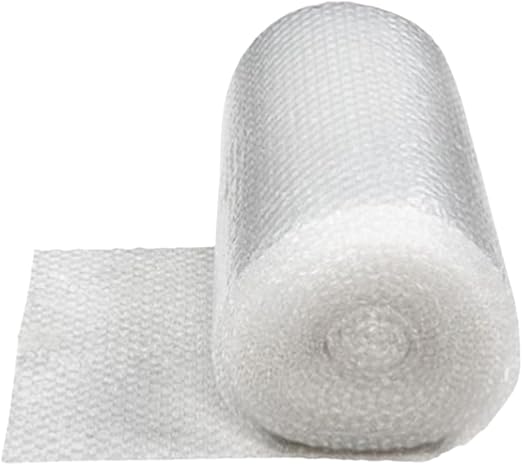
Bubble wrap
Use cushioning around fragile or irregular items, with extra attention to corners and protruding parts. Keep the wrap secure without pressing directly on delicate finishes.













A useful materials list starts with the item, not the box. Separate fragile pieces, surfaces that can be scratched, loose drawers or doors, and heavy items that need safe movement before deciding what to prepare.
The product listings above show the current published sizes and prices. Use the guide below to plan quantities and tell us what you are packing, how much you have, and whether you need collection or delivery arrangements.
Use cushioning around fragile or irregular items, with extra attention to corners and protruding parts. Keep the wrap secure without pressing directly on delicate finishes.
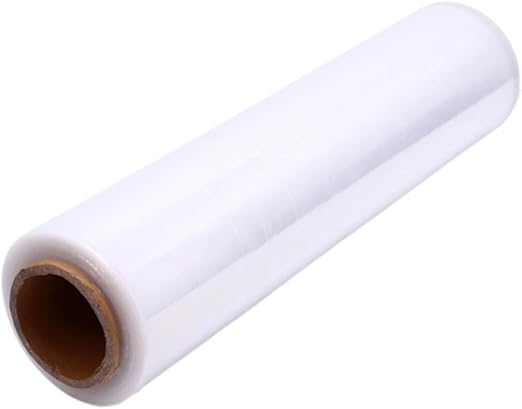
Useful for keeping drawers, doors, loose parts or protective layers together. It is a securing layer, not a substitute for cushioning where impact protection is needed.
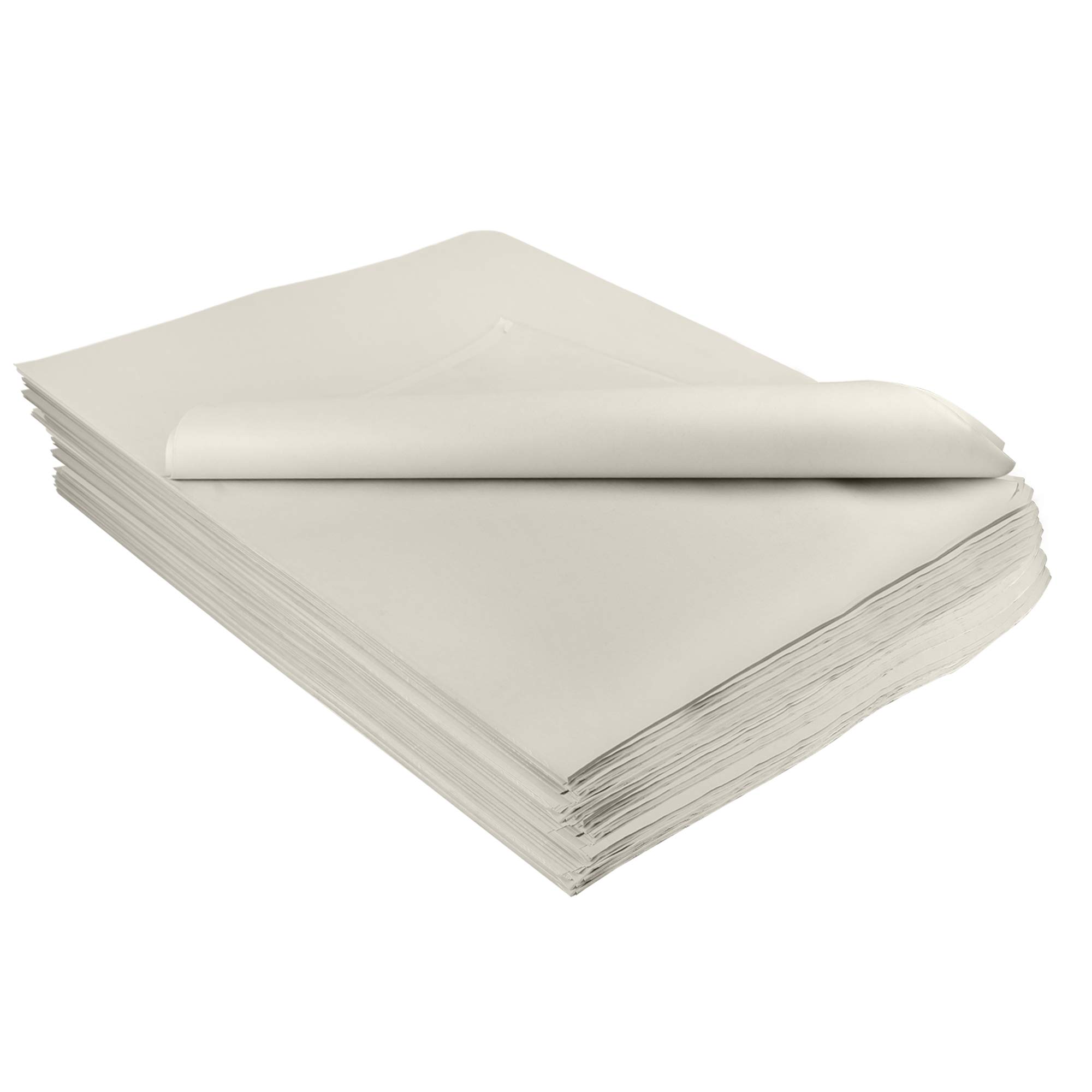
Use clean sheets to separate smaller items, fill light gaps and reduce surface-to-surface contact. Choose a different protective layer for moisture-sensitive or easily marked finishes.
Match carton size to item weight, avoid overloading, and label the room, contents and handling direction. A simple numbering system makes unpacking and missing-box checks easier.
Furniture and large surfaces may need a soft protective layer before they are secured. Pay particular attention to glass, polished surfaces, corners and removable shelves.
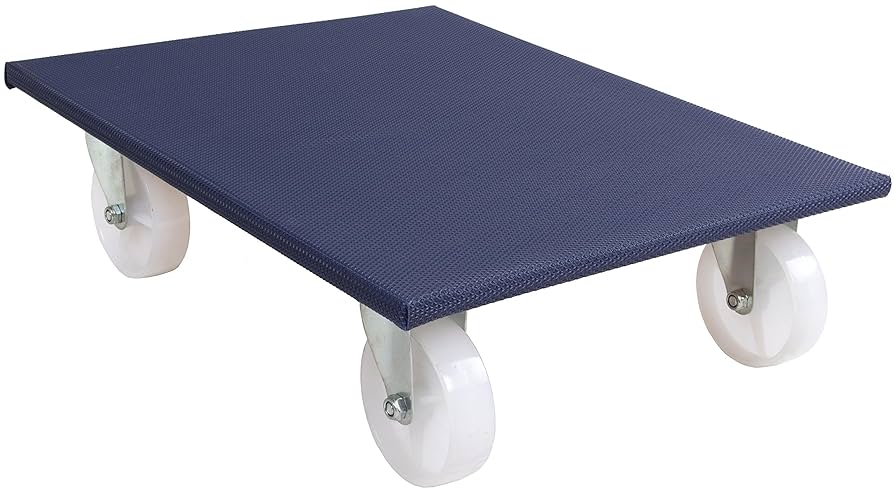
Choose moving equipment around the item's weight, shape and route. Check door widths, lift access, thresholds and floor protection before moving a loaded trolley.
For fragile collections, electronics, mixed home or office inventories, or a short packing window, describe the items and deadline before choosing materials alone.
Start with our professional packing services, or read the electronics packing guide.
Start with a room-by-room item count, then separate fragile, heavy, loose and oversized pieces. Photos and rough quantities make it easier to discuss a practical materials list.
Stretch wrap can secure drawers, doors or an existing protective layer, but it does not provide the same cushioning as a suitable soft layer or corner protection.
Electronics need item-specific planning for loose parts, screens, cables and moisture. Keep cables labelled and review the dedicated electronics packing guide before packing.