












Office move decisions
Make the five decisions that shape the whole office move
Before comparing office movers, the business should settle why it is moving, who approves the plan, what the new site changes, what should be cleared or stored, and what the budget actually includes.
Before booking the office mover
01Decide the restart priority before choosing the moving window.
02Check service lifts, loading bay access, security and long-push routes before booking.
03Separate move, clearance, storage and reinstatement items before the quote is final.
Most useful when
01The company is still deciding what the move should include
02The new office has service-lift, IT, disposal or storage complications
03The quote needs to reflect business priorities instead of only lorry size
Reason first
Expansion, downsizing, lease handover and customer access all create different moving priorities.
Approvals matter
The move becomes slower when management, IT, admin, facilities and department leads approve decisions separately.
Scope decides quote
Clear decisions about move, clear, store and budget make the final quote more realistic.
Treat the office move as a business decision first
Moving offices is not only a transport job. In Singapore, the move can affect staff productivity, customer access, IT restart, landlord handover, reinstatement timing, storage needs and the final quote. The better question is not "which truck do we need?" It is "what business outcome must this move protect?"
Before comparing office movers in Singapore, settle these five decisions. They help the mover scope the work properly and help your team avoid avoidable changes after booking, especially when the site involves office towers, strata offices, shophouse walk-ups, business parks or industrial units.

The business reason should shape the move plan
A company moving to restart quickly needs a different sequence from a company clearing an old lease for handover.
1. Why is the business moving?
The reason for moving should shape the plan. A team expanding into a larger office has different needs from a company downsizing, combining departments, leaving a CBD tower, moving into a business park or clearing an old lease before reinstatement.
Ask these questions early:
- Does the new office need to be ready for staff the next business day?
- Are there departments, customer counters, dispatch teams or meeting rooms that must restart first?
- Will reception items, pantry items, server-room accessories or archive records move separately?
- Are you trying to reduce cost, improve access, support growth or complete a lease handover?
When the reason is clear, the move plan can prioritize the right rooms, items and timing. A lease-handover move may focus on clearing the old unit fast; a growth move may focus on keeping teams productive while fit-out work continues.
One decision owner helps the crew avoid delays
The mover should not need to chase several people for move-day answers about access, disposal or first-unload priority.

2. Who needs to approve the move plan?
Many office moves slow down because approvals are scattered. Decide who owns each area:
- Management approves budget, move date and downtime tolerance.
- Admin or facilities coordinates building access, lift booking and security registration.
- IT handles shutdown, backup, cable labels, telco or network cutover and restart testing.
- Department leads confirm what moves, what stays and what should be unloaded first.
- Finance or procurement checks quote terms, payment timing and any vendor requirements.
Give the mover one main contact. A single decision owner reduces confusion when the crew needs fast answers on move day, such as whether a cabinet should be disposed, whether an item can enter the new office, or whether the loading bay slot can be extended.
The new location often changes the real workload
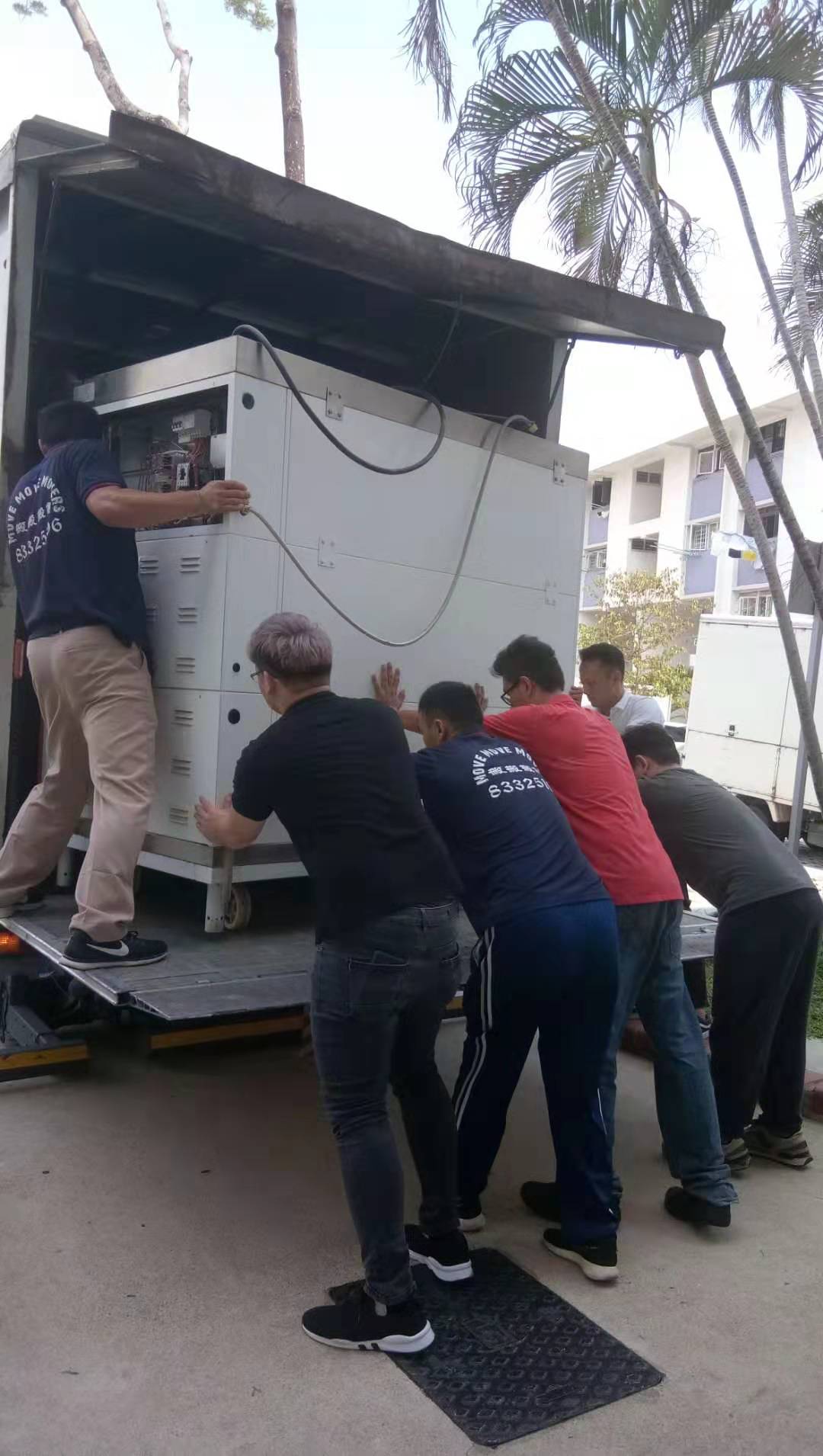
Basement limits, long push routes, lift rules and security gates can change manpower and timing.
3. What does the new location change?
The new address may change more than travel distance. Confirm site conditions before signing the final quote:
- Loading bay location, delivery queue and basement height limits.
- Service-lift booking rules, lift padding and approved moving hours.
- Long push distance from lorry to lift, lift to unit, or tower lobby to office entrance.
- Stairs, narrow corridors, glass doors, security gates and turnstiles.
- Restrictions from building management, landlord, facilities team or MCST in strata-titled sites.
These details affect manpower, timing and equipment. They can also decide whether an after-hours move is safer than a normal office-hours move. For example, a shorter drive across Singapore may still take longer if the new building only allows one service lift slot and a long trolley route from B2.
Move, clear and store decisions should be separated
Old furniture, redundant cabinets and temporary storage needs should not be mixed into the final hour.

4. What will move, clear or store?
Not every office item should go to the new site. Split the list into four groups:
- Move now: desks, chairs, documents, IT equipment and daily-use items.
- Move later: items needed after renovation, fit-out, cabling works or phased team return.
- Clear out: old workstations, broken cabinets, archive clutter, signage, loose fixtures or redundant furniture.
- Store temporarily: furniture or cartons that cannot enter the new site yet.
If the old site must be handed over cleanly, plan the office clearance service early. If the new site is not ready for every item, a short storage service step can be cleaner than forcing everything into the office at once. This is common when the lease handover date and new-office fit-out date do not line up perfectly.
5. What should the budget include?
Office moving budgets should not be built from lorry size alone. Ask whether the quote includes:
- Packing materials, carton supply, labels and protection for monitors or fragile equipment.
- Dismantling and reassembly of desks, cabinets, panels and meeting tables.
- Manpower, lorry trips, shuttle trips and estimated hours.
- Stairs, long push, waiting time, loading bay delays or restricted access.
- After-hours timing, disposal, storage, lift padding or additional handling.
Use the moving price guide to understand common price drivers, then ask for an office-specific quote based on your actual access and item list. A quote that does not ask about service lifts, loading bays, IT equipment or old-office clearance is probably not quoting the whole job yet.
When to book the office mover
Book once the move date, access rules and item scope are stable enough for a proper quote. For larger offices, start earlier so there is time for site checks, IT planning, staff communication, building approval and old-site clearance.
If the move is urgent, send photos and access details first: lift lobby, loading bay, main workstation areas, bulky items, archive cabinets and any tight corridor. A fast but well-scoped request is still better than a vague booking that changes on move day.
FAQ
Questions About Planning an Office Move
These answers cover the decisions that shape an office moving quote: restart priority, furniture clearance, service-lift access, loading bay details and quote accuracy.
What is the first thing to decide before moving offices?
Start with the business reason and restart priority. Once you know what the move must protect, it is easier to plan timing, packing, service-lift access, IT readiness and budget.
Should old office furniture be moved or cleared?
Move items that fit the new office and are still useful. Clear broken, redundant or lease-handover items early so they do not block move day, reinstatement or landlord handover.
How do I get a more accurate office moving quote?
Send photos, an item list, both addresses, service-lift booking rules, loading bay details, basement height limits, the moving window and any disposal or storage needs.
Confirm the five decisions before booking
Send Move Move Movers your item list, service-lift details, loading access, moving window and decision priorities. We can help turn the plan into a clear office moving quote.
Confirm these before booking
01Business reason, restart priority and approval owner
02New-site access, service-lift booking and loading route
03Items to move, clear, store, reinstate or quote separately
Use the service page next when the job needs clearer manpower planning, more reliable collection timing, or a route that can handle awkward access cleanly.