











Two to four weeks before: build the plan
Start with three dates: when you can collect the new keys, when movers can enter the property, and when the old home must be handed back. A gap between them may affect cleaning, storage and the sequence of your move.
Ask the management at both properties about moving hours, lift reservations, loading bays, vehicle restrictions and deposits. Rules differ by property. Do not assume a booking at one condominium also covers the destination. Our Moving & Site Access Guide helps you collect the right questions; the condo moving-deposit guide covers another common planning issue.
- Keep: list the furniture, appliances and cartons going to the new home.
- Give away or sell: arrange collection early enough to leave a backup plan.
- Dispose: separate unwanted items and confirm an appropriate collection route.
Share the same inventory and access information with the movers you are comparing. Include packing, dismantling, reassembly or disposal if you need them; these should be agreed rather than assumed.

One week before: turn decisions into bookings
Confirm your moving date and arrival window, the agreed scope, payment arrangements and a contact person for moving day. Send any changes to the inventory now. Photographs of a full room are helpful, but add close-ups and measurements for pieces that are unusually large, delicate or difficult to dismantle.
Arrange utilities, internet and address updates according to your own handover schedule. Check the relevant providers’ lead times. Book cleaning separately if needed, and avoid overlapping a deep clean with a crew carrying furniture through the same rooms.
Measure large furniture against the new room, doorways and lift—not only the lift door. Include turns, corridors and stairs. If you are unsure whether a piece fits, show the mover measurements and photos before agreeing the transport plan.
Pack by room, then by priority
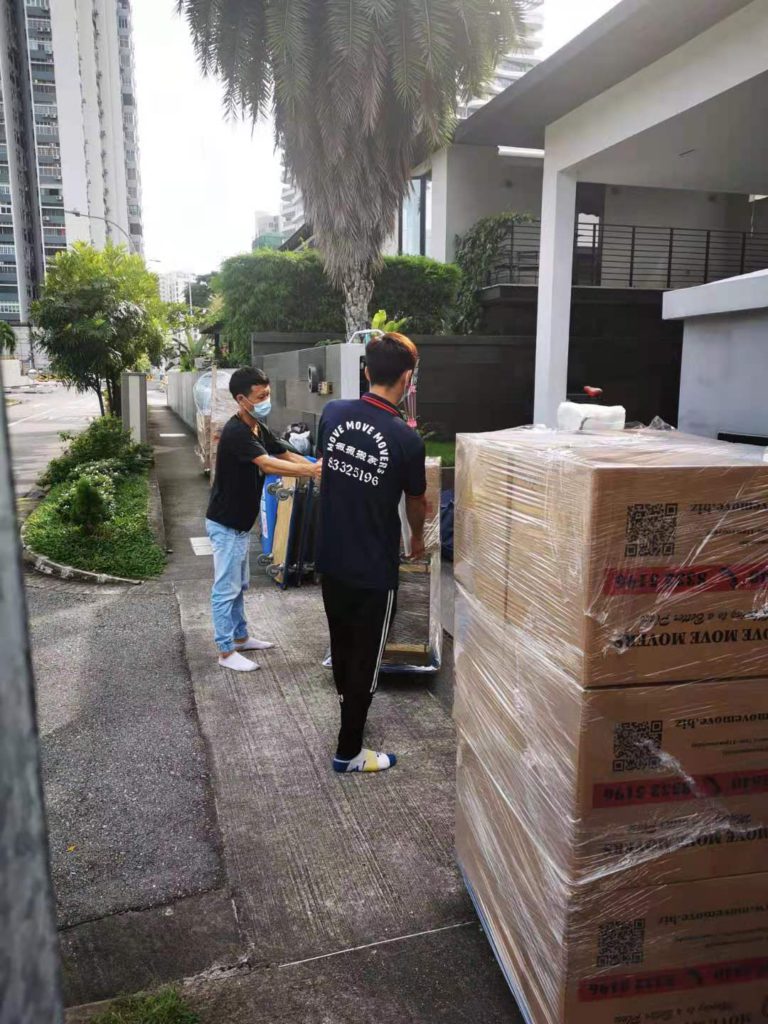
Pack less-used items first and leave daily essentials until last. Use smaller boxes for books and other dense items so each carton remains manageable. Cushion fragile items individually, fill empty space to reduce movement and avoid mixing loose sharp objects with soft furnishings.
| What you are packing | A useful preparation step |
|---|---|
| Everyday cartons | Label the destination room, a short contents description and whether the box is fragile. Keep labels visible from the side. |
| Electronics | Photograph cable connections, label leads and keep small parts together. Check the manufacturer’s guidance for transport. |
| Furniture | Keep screws and fittings in labelled bags. Agree who dismantles and reassembles each item. |
| Kitchen and liquids | Close and secure containers; keep potential leaks separate from books, clothing and electronics. |
| Valuables and essentials | Carry documents, medication, jewellery, keys, chargers and your first-night bag yourself. |
Create one simple box list on paper or your phone. Numbering boxes by room makes it easier to spot a missing carton than labelling everything “miscellaneous”. Keep disposal items in a clearly separate area so they do not travel to the new home by mistake.
The day before: prepare the handover
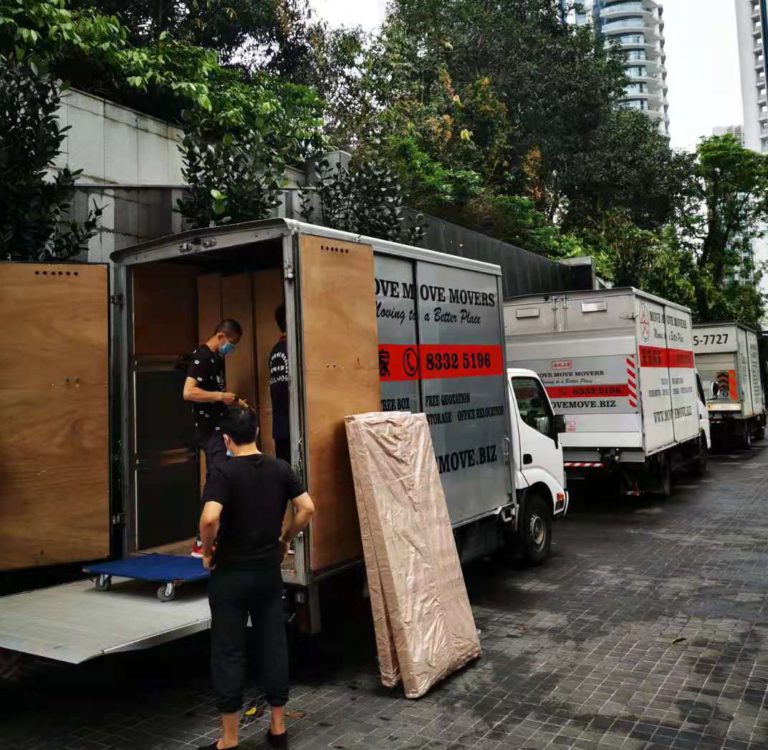
Reconfirm the time, addresses, contact numbers and access arrangements. Charge your phone, keep keys close and share the destination pin or loading-bay instructions if the entrance is difficult to find.
- Take photographs of furniture condition and any marks you want to record.
- Disconnect and prepare appliances according to the manufacturer’s instructions; confirm any specialist work separately.
- Pack drinking water, a change of clothes, toiletries, chargers and basic cleaning supplies for the first night.
- Arrange a quiet, safe place for children or pets away from loading activity.
- Keep corridors and exits clear, with cartons stable and easy to identify.
For wet weather, protect the staging area where possible and keep towels or suitable covers ready. Read the rainy-day moving checklist before the forecast becomes an urgent problem.
Moving day: brief, check, settle in
Walk the crew through the inventory before loading. Point out fragile items, existing damage, dismantling tasks and anything that must stay. If the plan has changed, agree the revised work and cost in writing before that additional work begins.
At the new home, use room labels or a simple floor plan to show where large pieces and boxes should go. Check the major items while the crew is present and report concerns through the agreed process. Keep the invoice and booking records together.
Before returning the old keys, check wardrobes, drawers, shelves, the storeroom and any agreed common-area staging spot. At the new place, prioritise beds, essential kitchen items and the first-night bag; you do not need to unpack every box immediately.
Your shortest useful moving checklist
- Keys, handover dates and access confirmed.
- Inventory and quote agreed in writing.
- Cartons labelled; essentials kept with you.
- Keep, move and dispose items clearly separated.
- Old home checked; new-home items and condition reviewed.
For more detail, see five areas to prepare before moving, six steps for organising a house move and how to choose moving services.
Explore our house-moving services or read the Chinese moving guide.
Planning guidance for Singapore. Confirm the current terms with the service provider and the rules with your property management before booking.
Explore all moving guides