List what needs packing
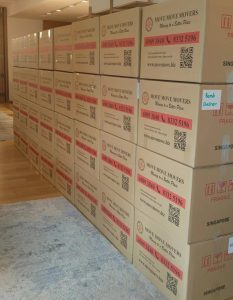
Group loose contents by room or item type, such as kitchenware, books, clothing, ornaments and electronics. This gives the packing team a clearer view of the work than a general “whole home” description.












Full packing usually means packing most of the loose contents in a home. To compare quotes fairly, give each mover the same room list, item photos, access details and required packing date.
The price example on this page applies to the job described here. Your quotation will depend on your actual items, materials, access and requested result.
Group loose contents by room or item type, such as kitchenware, books, clothing, ornaments and electronics. This gives the packing team a clearer view of the work than a general “whole home” description.
Ask the quotation to state which cartons, wrapping, cushioning and labels are included. If you already have materials, show what is available and usable.
Photograph artwork, plants, electronics, valuables and awkward pieces separately. Some items may need a different packing method or a separate decision before the job is confirmed.
Include the floor, lift or stair access, loading point, permitted working hours and any space restrictions that affect the packing team.
State whether the work ends when everything is packed, after cartons are labelled by room, or after another quoted step. Unpacking should be listed separately if you need it.
A lower quote may simply include less labour or fewer materials. Compare totals only after the items, access, materials and requested result are the same.
Most loose contents still need to be packed and you want the work planned as one complete packing job.
See the partial packing example. If the same quotation also includes transport, review packing with moving.
Explore recorded examples by property type and service. Each page describes a particular job and scope, so use it as a reference rather than a universal quotation.