Use this service for a declared mix of accepted non-hazardous office items, equipment, pantry or storeroom contents, packaging and office waste. Send the full list before quotation so furniture-only removal, whole-site clearance, moving and storage stay in the correct scope.
ItemsPhotos, quantities and what must stay, move, store or be removed
AccessFloor, service lift, loading bay and carrying route
WindowBuilding rules, approved date and permitted work hours
Commercial disposal · Mixed non-hazardous items
Office disposal in Singapore needs an agreed inventory, an authorised decision-maker and a building-approved route out. Move Move assesses mixed office items, accepted equipment, pantry or storeroom contents, packaging and office waste together with the access and work window.
Reviewed 16 October 2026 · Move Move Movers
01 / Get the right scope
Office disposal, furniture disposal or whole-site clearance?
Project
Suitable starting point
What to prepare
Mixed non-hazardous office items, accepted equipment, pantry/storeroom contents and packaging
This Office Disposal service
Full inventory, quantities, condition, access and any separately handled items.
Only desks, chairs, cabinets, meeting tables or workstations
Zone-by-zone scope, retained items and the collection and final handover deadlines.
“Office waste” is not a single accepted material category. Identify the actual items before quoting. Electrical equipment, confidential records and anything hazardous or unknown need separate assessment; do not mix them into an ordinary office-disposal load.
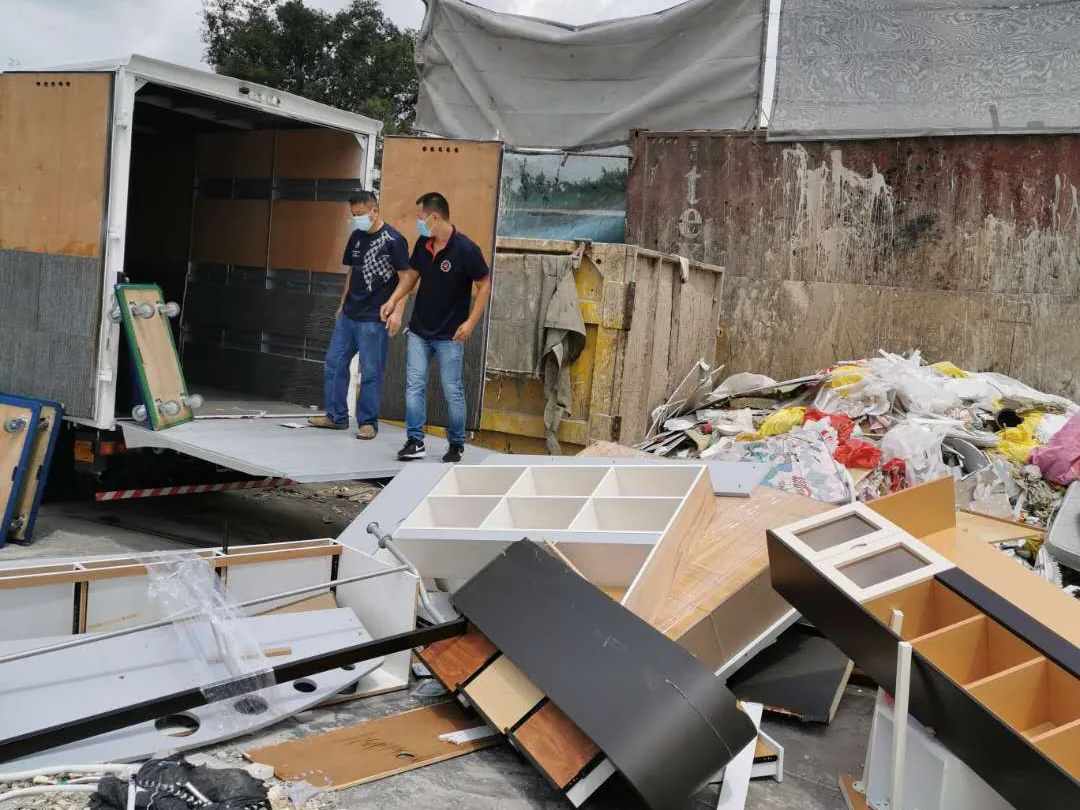
Loading-route planning: item handling, vehicle access and the building exit need to work together.
A documented office project
One office. Several destinations. One removal plan.
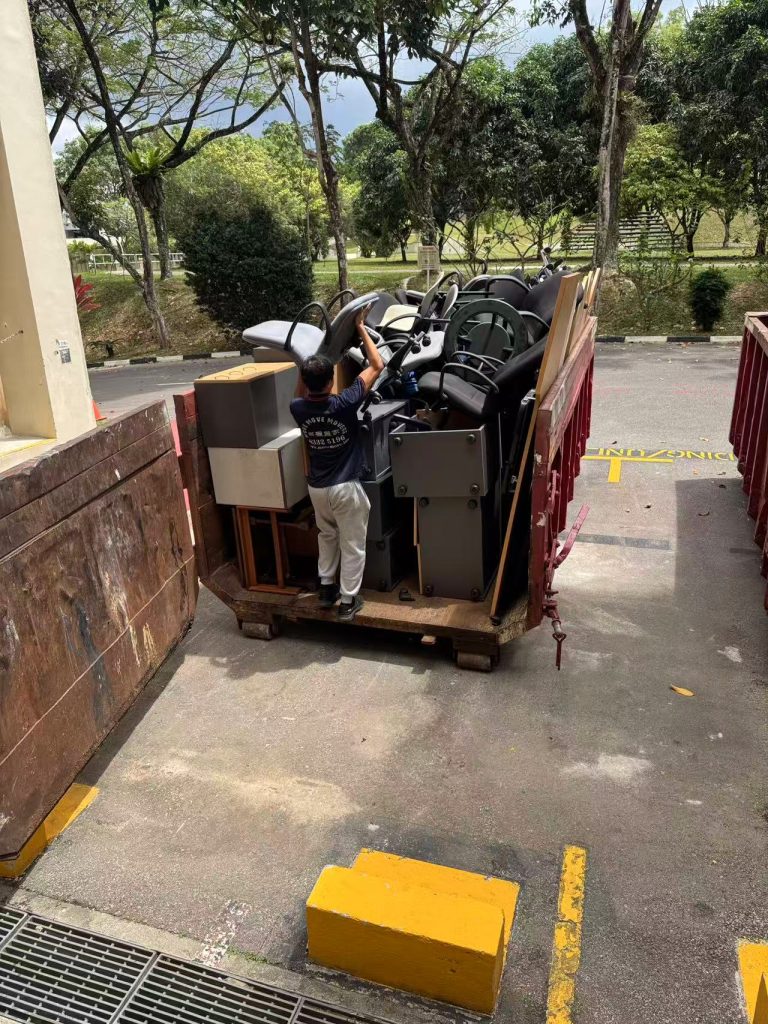
Actual office project photograph · chairs and dismantled panels at the loading stage.
Mixed relocation and disposal · 2026
Level 5, with no service lift
The scope combined disposal with items moving to Levels 1, 3 and 4. Necessary dismantling, the carry-out route and the destination of each group had to be planned together.
Asset separation
A separate part of the scope involved 87 low partitions, dismantled and placed in the same-floor corridor. Their final destination is not specified in the project account.
Loading sequence
A two-bin rotation supported the collection sequence while handling continued inside the building.
The planning lesson
Give each item a destination before removal: staying, relocating or leaving for an agreed disposal route. A single “clear the office” instruction is not enough.
Mark keep, move, store and dispose before work starts
Keep
Mark retained assets clearly, including anything awaiting management approval. Nominate one person who can resolve an uncertain item before it is touched.
Move
Give the destination address, floor plan and item labels for office moving. Disposal and relocation should be separate lists even when they share a schedule.
Store
If the new site is not ready, identify the assets needing temporary storage so they are not treated as unwanted items.
Dispose
Confirm the approved item list, quantities, dismantling and any special handling. Have your designated approver agree changes before removal, not at the final walk-through.
For computers, drives or confidential documents, state your data-handling requirement before the quotation. Ordinary removal is not certified data destruction. Confirm the accepted channel, responsibilities and any required records separately.
03 / The building sets the work window
Plan the service lift, loading bay and after-hours access
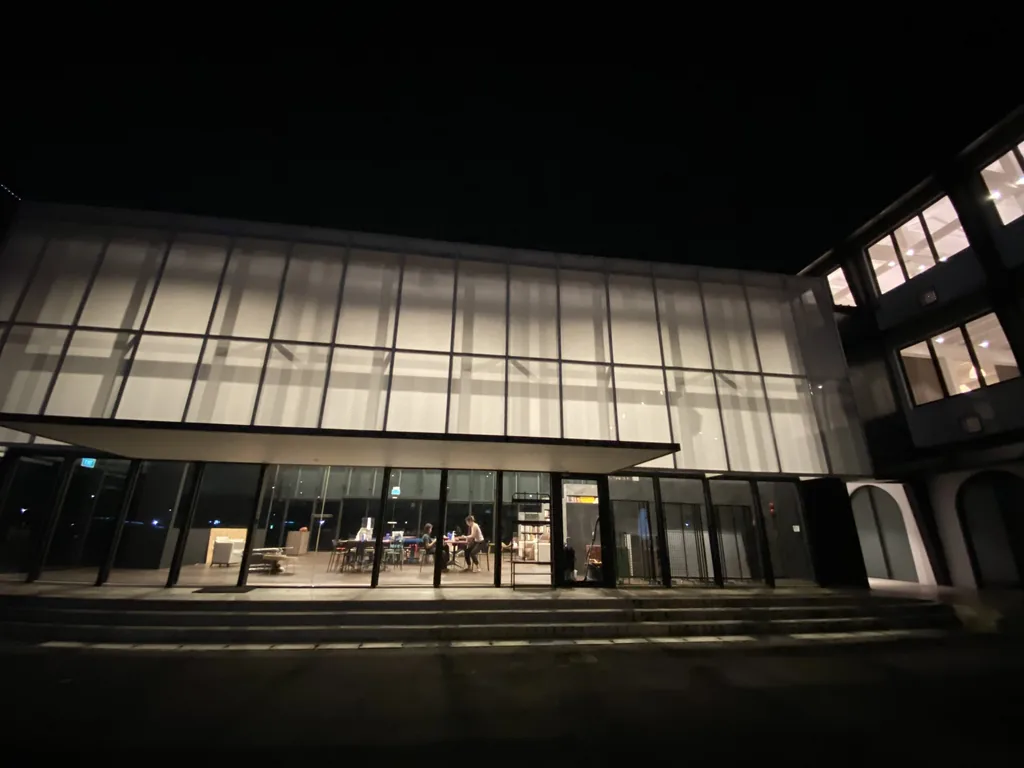
Confirm MCST, landlord or building-management requirements before choosing a time. Share the service-lift booking, loading-bay location, height limits, security contact, protection requirements and any corridor or staircase restrictions. Night or weekend work may help business continuity, but it still needs an approved and usable route.
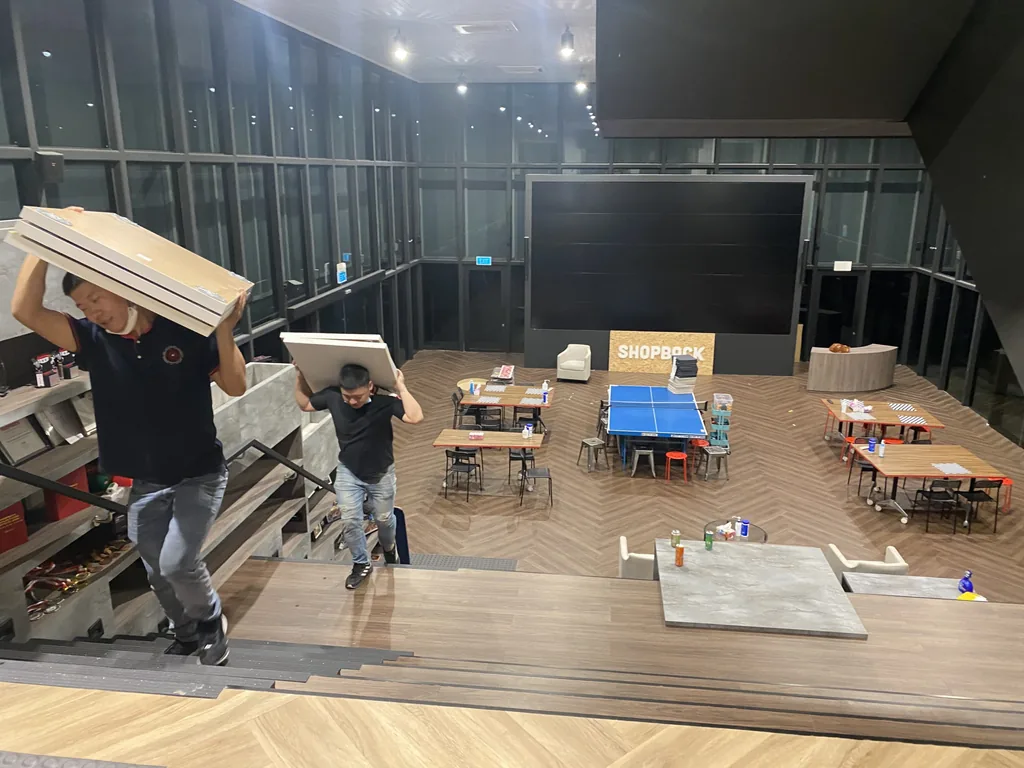
Stairs and turns affect the carry-out plan; show these sections of the route before quoting.The building’s permitted work hours must be checked before scheduling evening removal.
After-hours office disposal is conditional: the building must approve the window, security and loading access must be available, and Move Move must confirm the crew and exact scope in writing. A preferred date is not a confirmed slot.
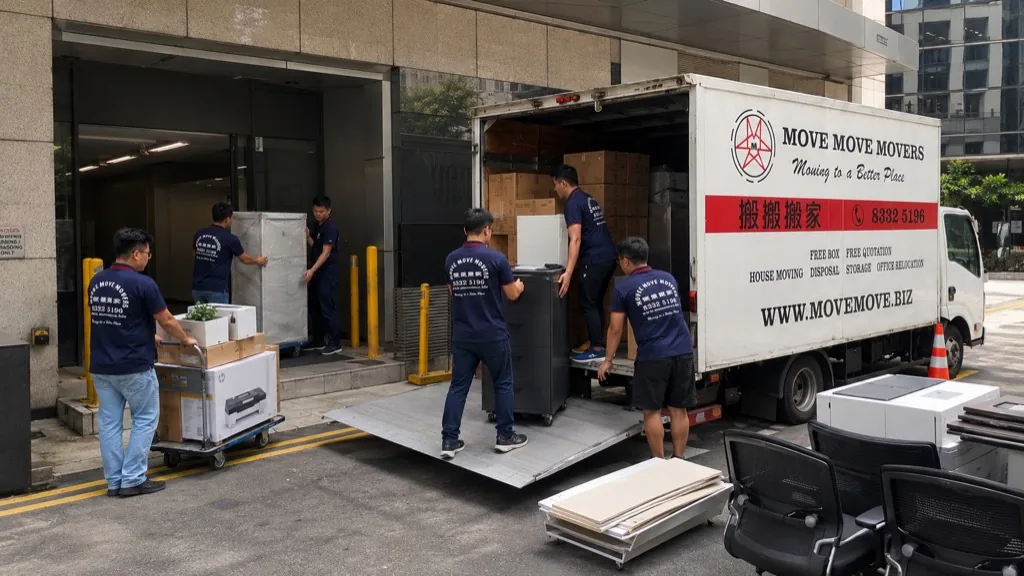
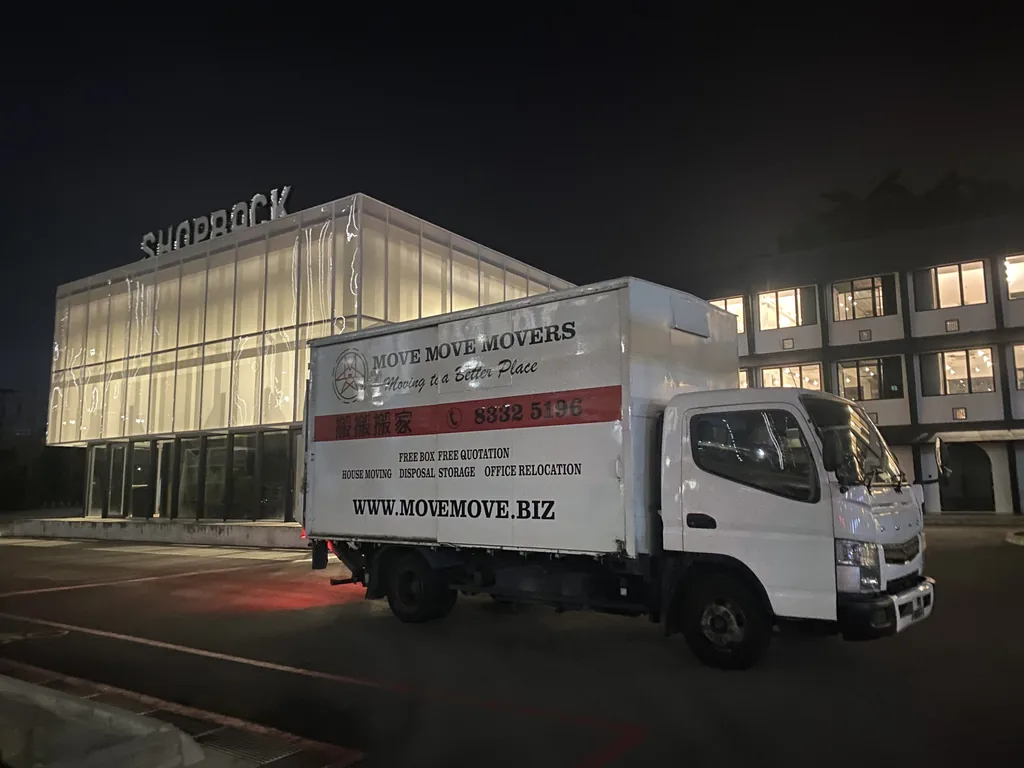
Confirm where the lorry may wait and load during the approved work window.
Evidence you can inspect
Our credentials, with their scope made clear
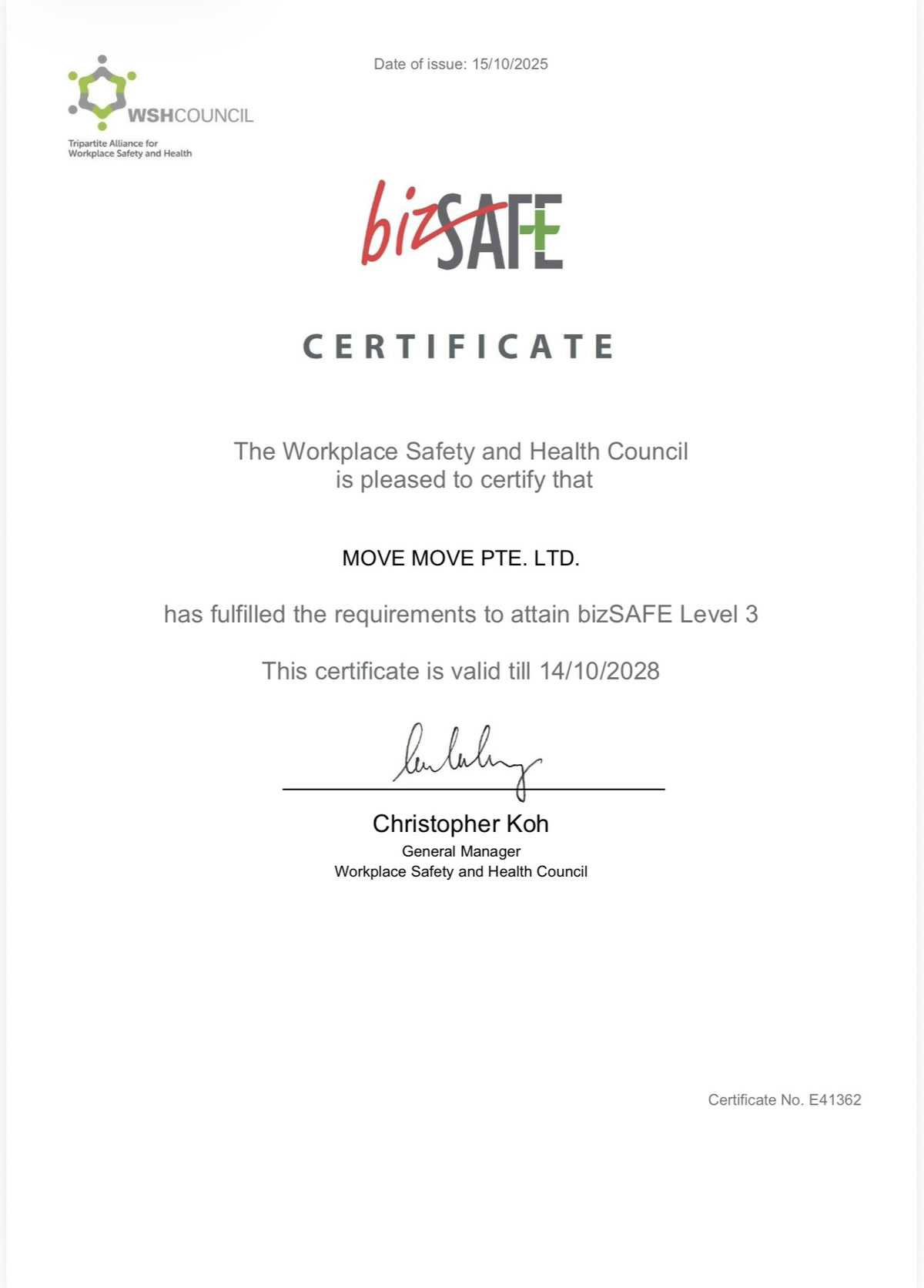
bizSAFE Level 3
Certificate E41362 Valid through 14 October 2028.
Workplace safety and risk-management recognition. It is not a waste-collection licence.
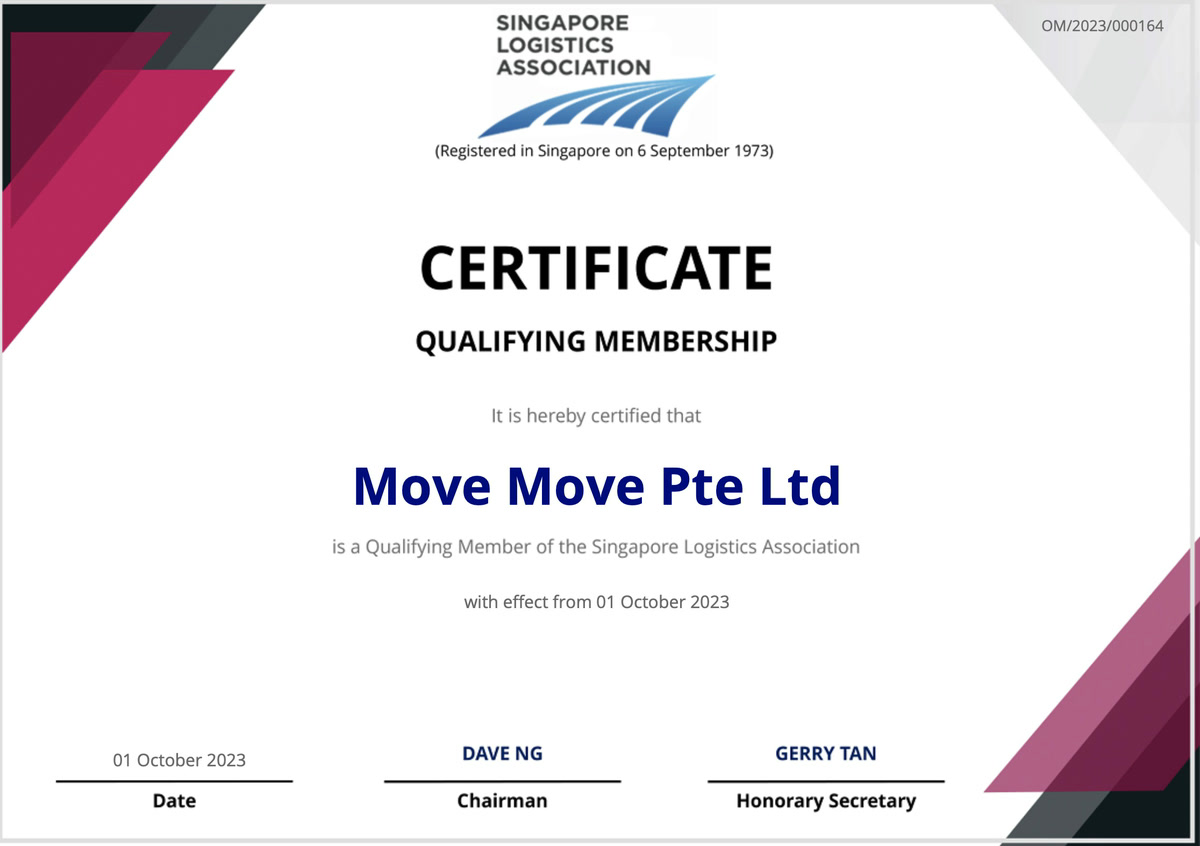
Singapore Logistics Association
Move Move is a member of the Singapore Logistics Association.
Logistics association membership; not a separate disposal certification or regulator approval.
Disposal arrangements for your actual items
Move Move can coordinate disposal through licensed providers and facilities, with recycling or donation pathways and disposal certificates available where applicable.
Tell us before booking if you need a specific receiving route or record. The relevant provider or facility holds its own licence; acceptance and documentation depend on the agreed job.
04 / Quote clarity
What changes an office disposal quotation?
Cost driver
Details that help avoid an incomplete quote
Quantity and item mix
Count loose items, equipment, workstations and furniture by type; include every room and storeroom.
Dismantling and protection
Show attached parts, large cabinets, partitions and surfaces or common areas requiring protection.
Carry-out route
Floor, service lift, stairs, long pushes, narrow turns and distance to the vehicle.
Building access and timing
Security procedures, approved work hours, bay or lift slots and possible waiting constraints.
Relocation or storage split
Identify each destination and what stays with the client. See commercial moving when relocation is part of the job.
Handover deadline
Explain collection dates, reinstatement stages and final handover separately.
A room-size estimate leaves too much unclear. Ask for a written quotation based on the actual accepted list and building conditions, with exclusions and the approval process for additional work.
From list to final check
A clear office disposal workflow
01
Map the items
Inventory, photos, quantities and destination labels.
02
Book the route
Lift, loading bay, security and approved work window.
03
Approve the split
Keep, move, store and dispose; resolve sensitive items with your nominated approver.
04
Sequence removal
Agreed dismantling, carry-out and loading; confirm variations before extra work.
05
Reconcile & hand over
Check the agreed areas, retained assets, exclusions and requested records with your contact.
Our commercial approach separates asset instructions, access planning, load/progress records and final handover so that removal can be checked against the agreed scope.
If a disposal record or certificate is needed, specify that before booking so the suitable handling channel and documentation can be confirmed. A collection acknowledgement is not a destruction certificate.
Common questions
Office disposal questions
Can office disposal take place after office hours?
It may be available when the building approves the work window and security/loading access, and Move Move confirms crew availability and the scope in writing.
Can you remove office desks, chairs and cabinets?
Yes, but if these are the whole list, use Office Furniture Disposal for the narrower furniture scope. This service is for mixed non-hazardous office items and accepted equipment.
Can we combine disposal, moving and storage?
Yes. Separate the lists and destinations before quoting. This allows the timing and removal order to be planned without confusing retained assets with items for disposal.
Are electronics and confidential documents included?
Not automatically. Identify the exact items and required handling or records before quoting. Their accepted route must be confirmed separately.
For a broader mix of household, commercial or bulky-item work, compare the routes in the Disposal Service Hub.