











Built-in removal
Built-in wardrobe removal in Singapore with dismantling, carry-out and tidy clear-up
Built-in wardrobe removal is different from normal furniture disposal. The job often needs dismantling, panel handling, screw removal, controlled carry-out and careful site clean-up before renovation, tenancy handover or room redesign.
This page is for non-structural fitted wardrobe and cabinet removal. If the item is standalone furniture, use furniture disposal instead.
- Fitted wardrobes, fixed cabinet sections and larger carpentry panels
- Dismantling, route planning and disposal arranged as one scope
- Clear exclusions so customers know what is and is not included
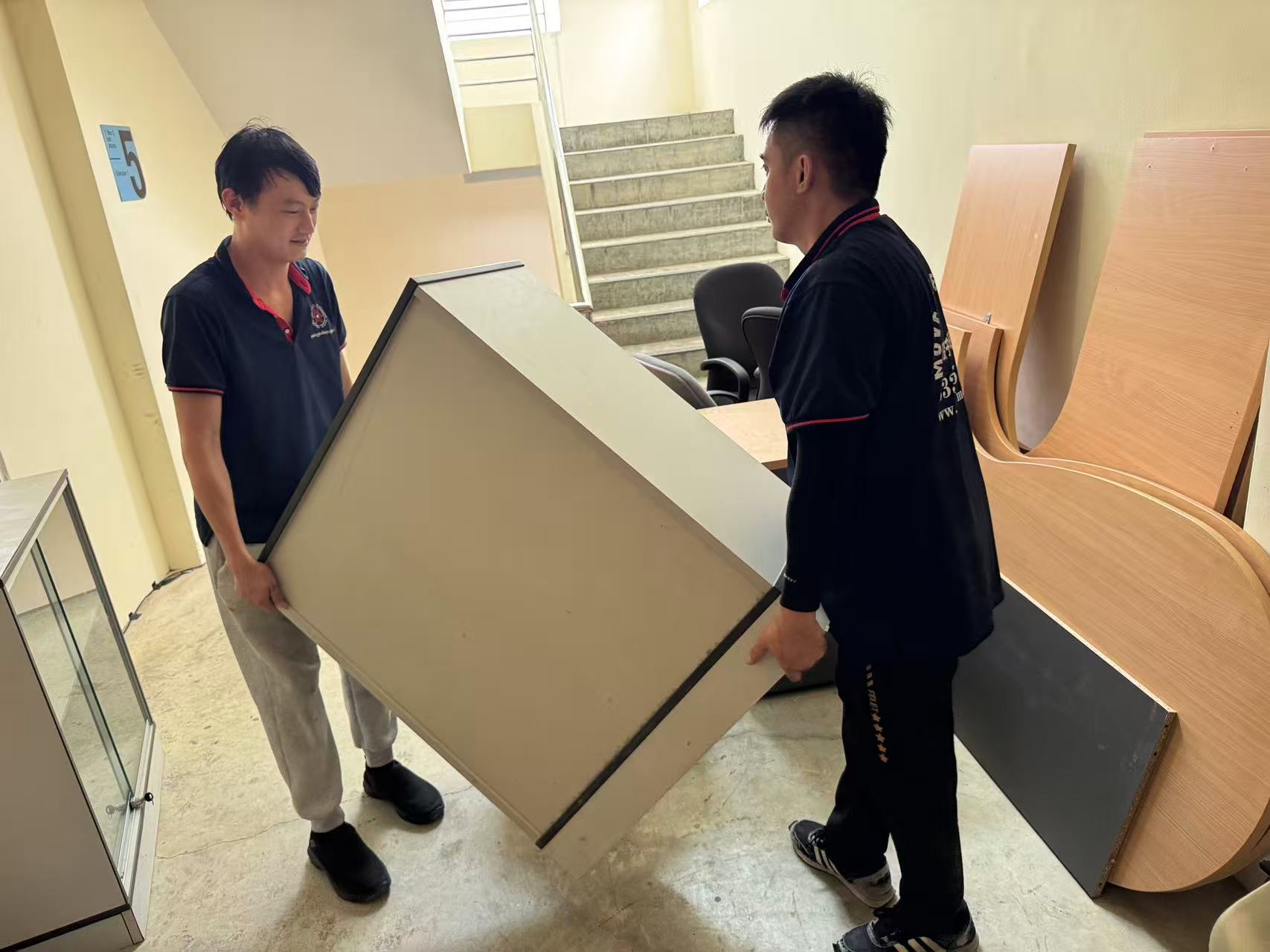
Built-in removal should be quoted by fixing method, panel size and access route, not as one loose bulky item.
Scope boundary
Why built-in removal needs its own page
The important difference is whether the item is fixed to the property. Once dismantling is involved, the quote needs more detail than normal disposal.
Best fit
Fitted wardrobe removal
For built-in wardrobes, fixed cabinet sections and larger carpentry pieces that must be dismantled before disposal.
Standalone
Furniture disposal
For loose wardrobes, bed frames, sofas, mattresses and other movable household furniture.
Oversized
Bulky-item removal
For oversized pieces where route, size or weight is the main issue, but the item is not fitted into the wall.
Real Singapore site work
Built-in removal needs dismantling, carry-out and clean handling
The most useful photos show how the wardrobe is fixed, how large the panels are, and how the route out of the property looks.
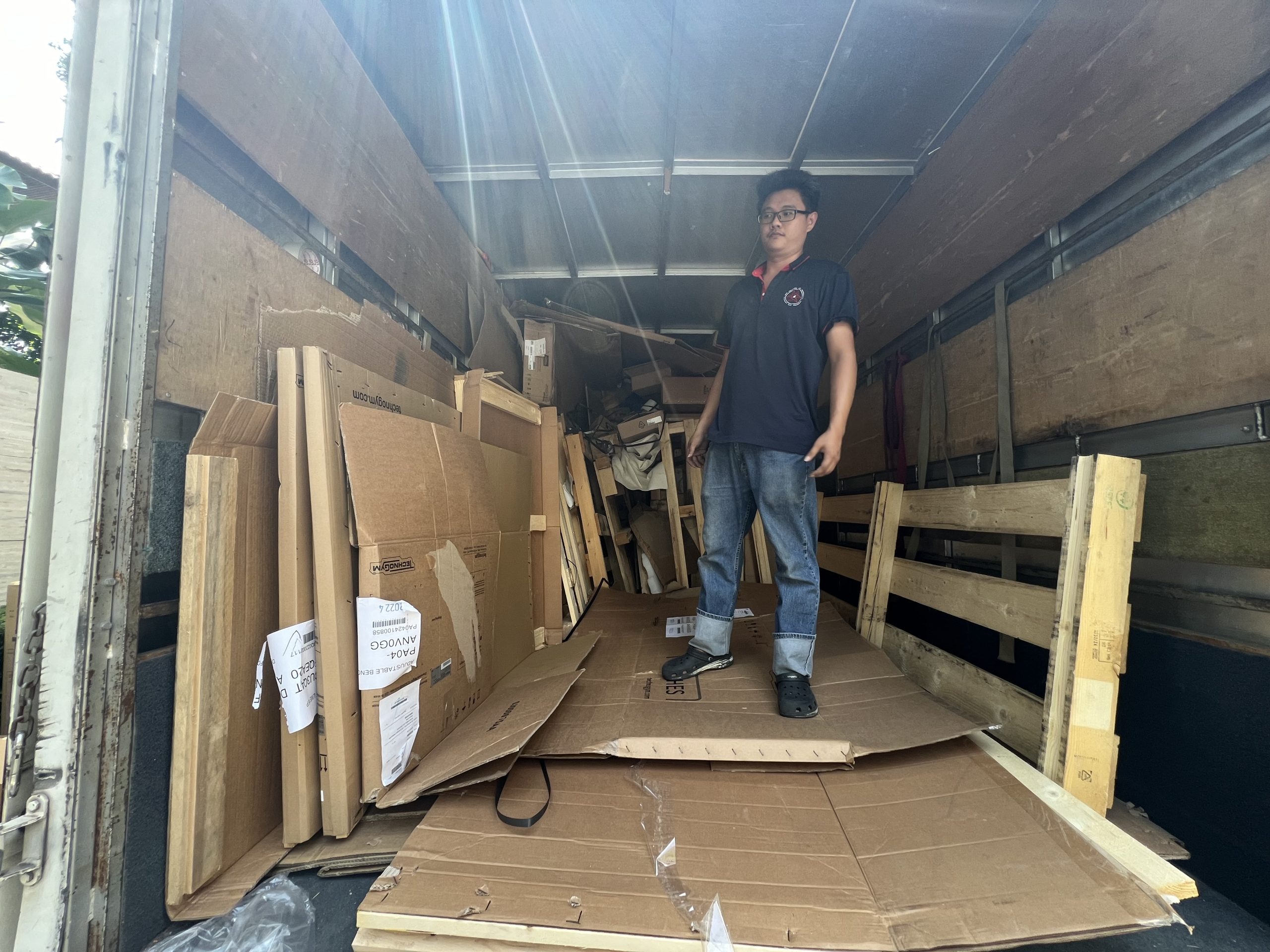
Panel handling
Built-in parts should leave as sections
After dismantling, panels need a controlled carry-out and loading sequence instead of being treated as one loose item.
Oversized panels
Long panels need route checks
Tall or wide panels can be awkward through corridors, lifts and staircases, so route planning affects manpower.
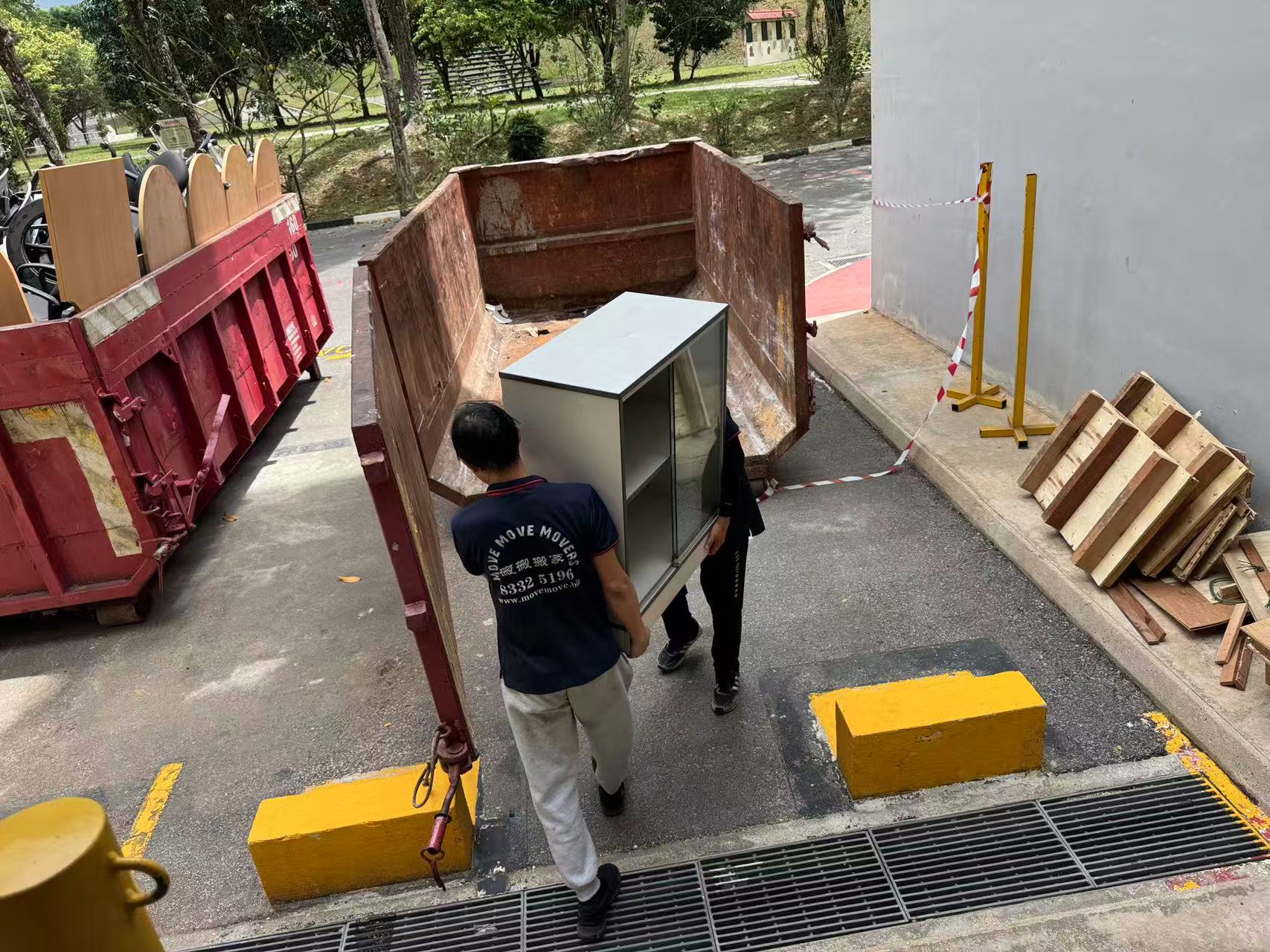
Loading plan
Separated panels need clean staging
After dismantling, panels should be staged and loaded in a controlled order so the site stays safe and tidy.
Quote clarity
Built-in wardrobe quotes move most when these details change
A built-in job should be scoped before the crew arrives. The exact build, route and handover expectations can change the quote.
Wardrobe size and panel count
Full-height wardrobes, long panels and multiple sections need more time and handling.
How it is fixed
Screws, tracks, shelves, sliding doors and wall attachments affect dismantling time.
Access route
Lift size, stairs, tight turns, corridor width and parking distance decide carry-out difficulty.
Protection expectations
Floor, wall and lift protection should be discussed early, especially in condos and handover situations.
Clean-up scope
Basic tidy clear-up is different from renovation repair, repainting or wall/floor reinstatement.
Timing pressure
Renovation start dates, tenancy handover and contractor coordination can require tighter scheduling.
How we plan it
The built-in removal workflow customers usually expect
This workflow keeps the job predictable and avoids mixing structural or renovation expectations into a disposal quote.
Step 1
Send photos and measurements
Show the full wardrobe, side panels, top track, floor track, screws and any difficult corners.
Step 2
Confirm non-structural scope
We confirm the job is removal and disposal, not structural hacking or renovation repair.
Step 3
Plan dismantling and carry-out
The crew prepares tools, manpower and route handling based on panel size and access.
Step 4
Remove and load safely
Panels are dismantled, carried out and loaded in sequence so the site stays controlled.
Step 5
Tidy the removal area
The agreed disposal scope is completed and the space is left ready for your next contractor or handover step.
Common questions
Frequently asked questions about built-in wardrobe removal
These answers clarify the difference between built-in removal, furniture disposal and renovation work.
Is built-in wardrobe removal the same as furniture disposal?
Do you repair walls or flooring after removal?
What photos should I send for a quote?
Can you remove built-ins from HDB or condo units?
Helpful next pages
Helpful services if your job is simpler or broader than wardrobe removal
If the job is not fixed carpentry, these related pages may be a better match for the quote.
Standalone
Furniture Disposal
For loose wardrobes, bed frames, mattresses, sofas and other home furniture.
Oversized
Bulky Item Removal
For awkward oversized items where size, stairs or route difficulty is the main concern.