Count by item type
List desks, chairs, cabinets, workstations, cartons, displays, whiteboards, meeting tables, safes and pantry equipment separately.












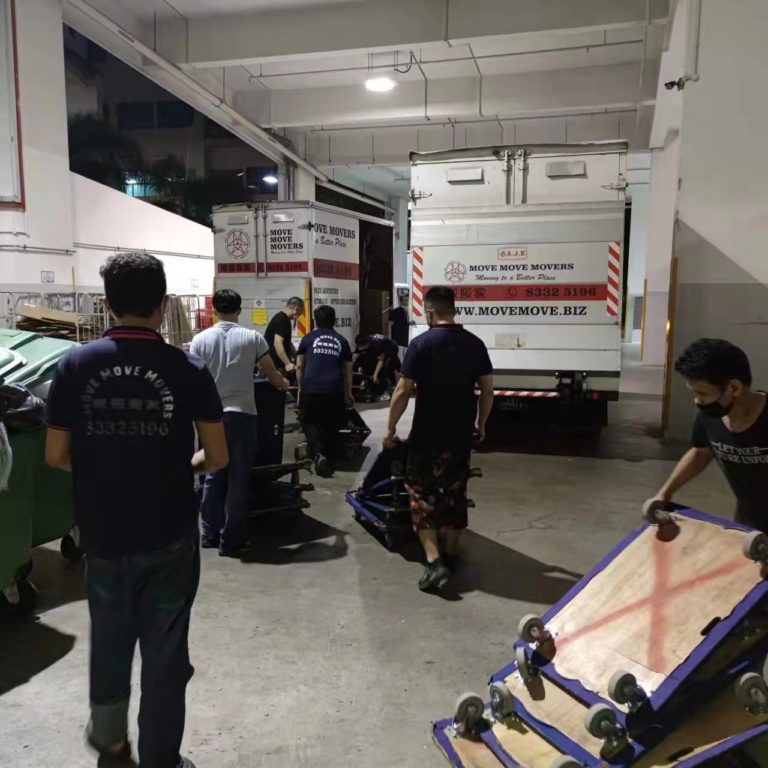
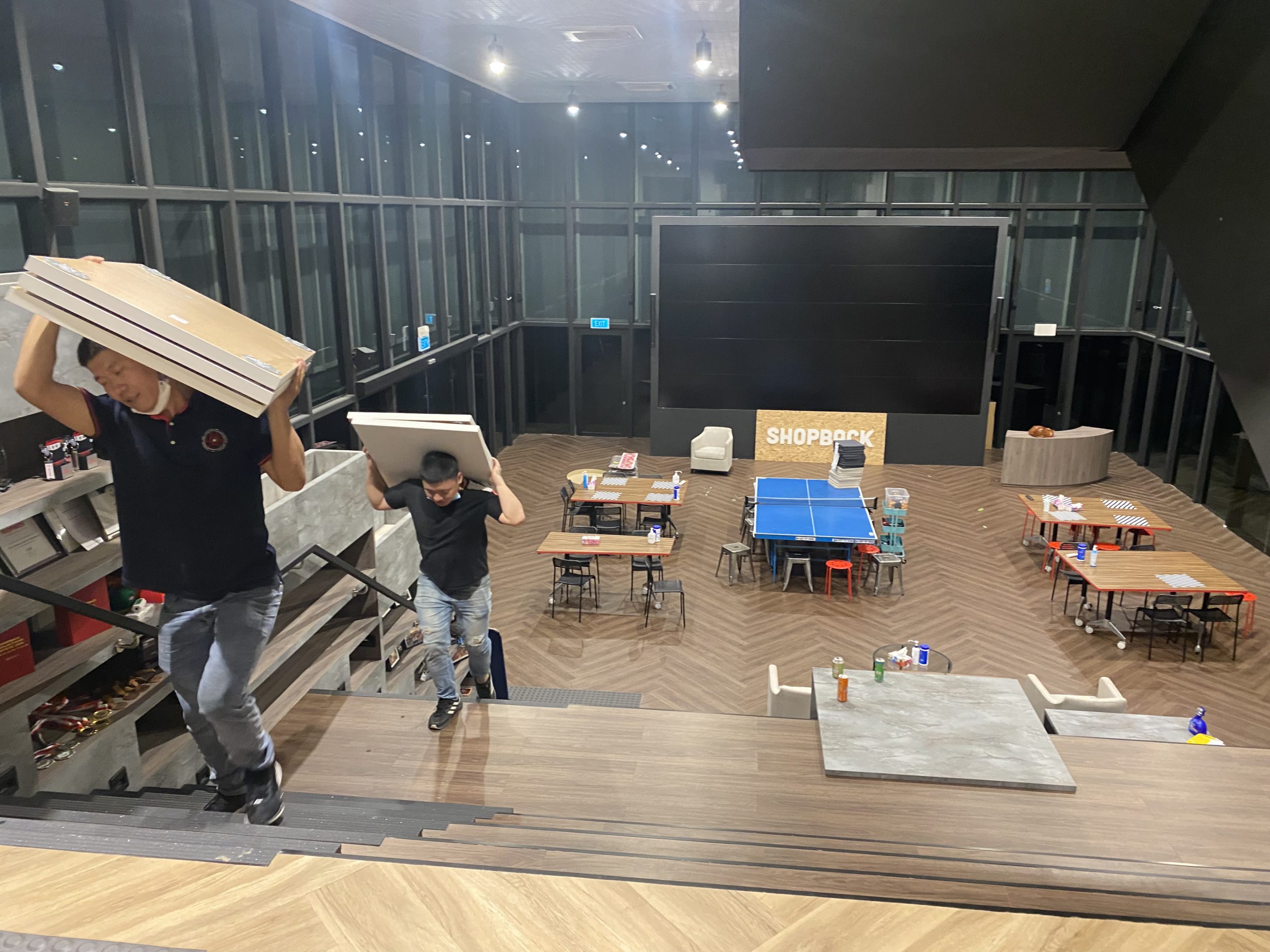
Complete working checklist
The short checklist above covers the first decisions. Use this extended office move checklist to assign owners, prepare a quote-ready inventory, separate technical responsibilities and close the old premises without relying on scattered chat messages.
01 · Responsibility
A moving crew can handle the agreed physical scope, but it cannot approve lease obligations, decide which records may leave, shut down business systems or accept a destination on the company's behalf. Record one primary owner and one backup for each workstream.
| Workstream | Typical owner | Decision to close | Evidence to keep |
|---|---|---|---|
| Lease & handover | Facilities, administration or management | Vacant-possession condition, inspection date, keys, access cards and outstanding rectification | Landlord or building instructions, condition photos and signed handover notes |
| Building access | Facilities or appointed coordinator | Contractor registration, lift and loading-bay window, route protection and security access | Approved booking, site contact and written access conditions for both addresses |
| Inventory & packing | Department representatives | What moves, stays, returns, enters storage or requires a separate disposal decision | Current item list, label map, photos and exception list |
| IT & data | Client IT lead or appointed vendor | Backup, shutdown, cable ownership, serial control, destination readiness and restart testing | Device register, authorised handlers and restart sign-off |
| Move execution | Business move lead and moving coordinator | Load order, placement plan, change control and who may approve added work | Accepted quotation, final runbook and recorded scope changes |
02 · Timeline
Start as soon as the handover date, destination and internal approver are known. The time needed varies with office size, building procedures, IT dependencies, reinstatement and the availability of an approved work window; the sequence below is a planning guide, not a universal duration.
Separate the preferred move window from the old-unit handover deadline. Ask both buildings about registration, deposits, protection, lifts, loading and restricted hours before committing the operational plan.
Count furniture, cartons, files, displays, pantry equipment and special items. Record stairs, long push distances, narrow doors, parking or vehicle limits and any destination that is not ready.
Give each department a destination code. Identify equipment that restarts first, items that remain under client custody and work that needs a technical or disposal specialist.
Use the final load sequence, escalation contacts and destination plan. Record approved changes instead of letting older messages become competing instructions.
Walk both sites, record exceptions, confirm remaining items and keep the move record separate from cleaning, reinstatement or landlord acceptance.
03 · Inventory
A useful moving checklist for office work describes the physical job well enough to plan manpower, vehicle space, materials, access time and handling. Photos help, but pair them with quantities and decisions so similar-looking items are not treated as one unknown group.
List desks, chairs, cabinets, workstations, cartons, displays, whiteboards, meeting tables, safes and pantry equipment separately.
Add approximate dimensions, heavy or awkward items, dismantling needs, fragile surfaces and anything that may not fit the planned route.
Mark each group as move, keep, store, return or dispose. Do not let an undecided pile enter the moving load by default.
Map origin department and destination room, floor or zone. Highlight the first-unload items required for business restart.
04 · Packing & labels
For office relocation packing in Singapore, a department name alone is often not enough. Use a short, consistent label grammar that can be read from more than one side of a carton or wrapped item.
Example: department · destination floor · destination zone · item number · handling priority.
For materials and labour boundaries, see the existing packing service page.
05 · IT, devices & records
A commercial move for office equipment can involve physical packing and transport, technical shutdown, data custody, network readiness and recommissioning. These are not automatically the same scope. Put the boundary in writing before move day.
Client or appointed specialist
Moving scope when written in the quote
Keep laptops, portable drives, access tokens, confidential originals and other immediately required assets under authorised custody when that is the business's chosen control. Tell the moving coordinator which items are excluded so the load list remains accurate.
06 · Move day
The move-day runbook should fit the final approved scope. It does not need to be complicated, but it should answer who opens each site, what loads first, where the crew reports, who accepts placement and what happens when a new request appears.
Confirm site contacts, access window, loading point, lift status, route protection and any last building instruction.
Keep move, disposal, storage and excluded items visibly separated. Resolve missing labels before an item enters the load.
Keep the first-restart and first-unload groups identifiable. Record an added stop, waiting condition or access change.
Use the destination map and named zone contacts. Do not let corridor placement become the default for undecided items.
Check agreed placement, exceptions, remaining items and the person accepting the physical moving scope.
07 · Old-office close-out
The physical move can finish while cleaning, reinstatement, landlord inspection, keys, access cards or rectification remain open. A mover's completion record should not be presented as the landlord's acceptance of the premises.
Check cabinets, storage areas, meeting rooms, pantry, server spaces and loading points. Record items intentionally left behind and who owns the next action.
Keep dated photos or video where useful, especially for vacated rooms, common-area routes and any exception discussed during the move.
Track cleaning, reinstatement, disposal, key return and landlord inspection against their own owner and acceptance record.
If unwanted furniture or equipment is outside the moving scope, route it separately to office disposal or office furniture disposal for assessment.
08 · Final control
Two working days before the approved move window, hold one short review with the business move lead, facilities contact, IT lead and moving coordinator. The purpose is to confirm that execution can start from one current instruction set.
Ready for a written scope?
Move Move Movers can review the declared physical moving scope, identify details that need confirmation and prepare the next quotation step. Price depends on the actual inventory, access, timing, manpower, vehicle plan and included services.