01Sturdy moving boxes
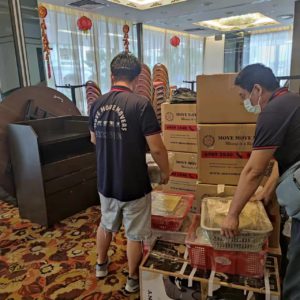
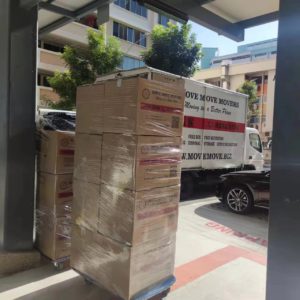
Use smaller cartons for dense loads such as books, files and pantry items. Medium cartons suit mixed household items; larger cartons are better for light, bulky contents. Wardrobe, dish, glassware or other purpose-built cartons may reduce unnecessary movement for suitable items.
Check:Clean, dry panels; firm corners; a base that closes squarely; and a size that can pass through the actual doors, corridors and lifts.
02Packing tape
Use tape intended to close cartons and apply it to clean, dry surfaces. Reinforce the base and top according to carton design and load instead of trying to rescue an overloaded or weakened box with more tape.
Avoid:Loose flaps, tape applied over dust or moisture, and exposed adhesive that can touch furniture or finished surfaces.
03Cushioning and dividers
Choose bubble wrap, packing paper, foam, corner protection or dividers according to the item and available clearance. Cushioning should limit contact and movement without forcing a fragile item into an over-tight carton.
Check:Item sensitivity, void space, weight distribution and whether the manufacturer’s original packaging or instructions should be used.
04Markers and labels
Mark the destination room, a useful content description, priority and any relevant handling note on more than one visible side. A simple number linked to the inventory makes carton reconciliation faster.
Separate:Moving, storage, disposal and owner-carried groups so one label cannot be mistaken for another route.
05Protective covers and wrap
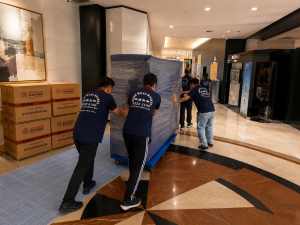
Use suitable covers for mattresses, upholstered furniture and other surfaces that need protection from dust or contact. Moving blankets, pads, corner guards and wrap can support different pieces and route risks.
Confirm:Material compatibility before adhesive, plastic or wrap touches painted, polished, leather, timber or delicate finishes.
06Small control supplies
Keep sealable hardware bags, labels, a tape measure, scissors and a dedicated essentials container available. Match tools to the task and keep blades, batteries, chemicals and small parts controlled and away from children.
Owner control:Identity documents, medication, jewellery, keys, devices and irreplaceable personal items should stay outside the general loading flow.