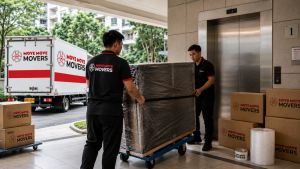

Disposal Services in Singapore: What It Costs and When to Book Help
Use this guide to understand what disposal services in Singapore usually cover, what affects quote scope, and when public collection is not enough.

5,800+ Google reviews










Disposal planning guide
Disposal services can range from a simple one-item pickup to a full room clearance. What usually changes the job is not only what needs to go, but how hard it is to carry, load, schedule, and clear properly.
Disposal services in Singapore cover a much wider range of jobs than most people expect. Sometimes you only need to clear a mattress or a broken table. Sometimes you are dealing with a room full of unwanted furniture, a tight collection window, or a move-out deadline that leaves no room for delay.
That is why the most useful starting point is not “Which company is cheapest?” but “What exactly needs to be cleared, and how difficult is the job going to be?” The answer usually depends on item type, quantity, manpower, access, timing, and whether the work is closer to a simple pickup or a bigger clearance job.
If you want the broad overview first, our main disposal service in Singapore page is the best place to start. This guide is here to make that decision easier before you book anything.
01Start with item type, labour, access, and timing instead of headline price alone.
02Use this guide to decide when public collection is enough and when private help saves time.
03Move into the right specialist page once the disposal job becomes more specific.
01Which jobs stay simple and which ones become full clearance work
02Why access, labour, and timing often shape the quote most
03Which service page makes the best next step for your situation
At a glance
Furniture, mattresses, appliances, mixed household loads, and office items do not all behave the same way during disposal.
At a glance
Stairs, carry distance, timing windows, and dismantling often create more work than customers expect at the start.
At a glance
Once you know whether the job is broad, bulky, furniture-led, or mixed, the next step becomes much easier to choose.
Disposal planning 01
Disposal services can cover many different situations, including:
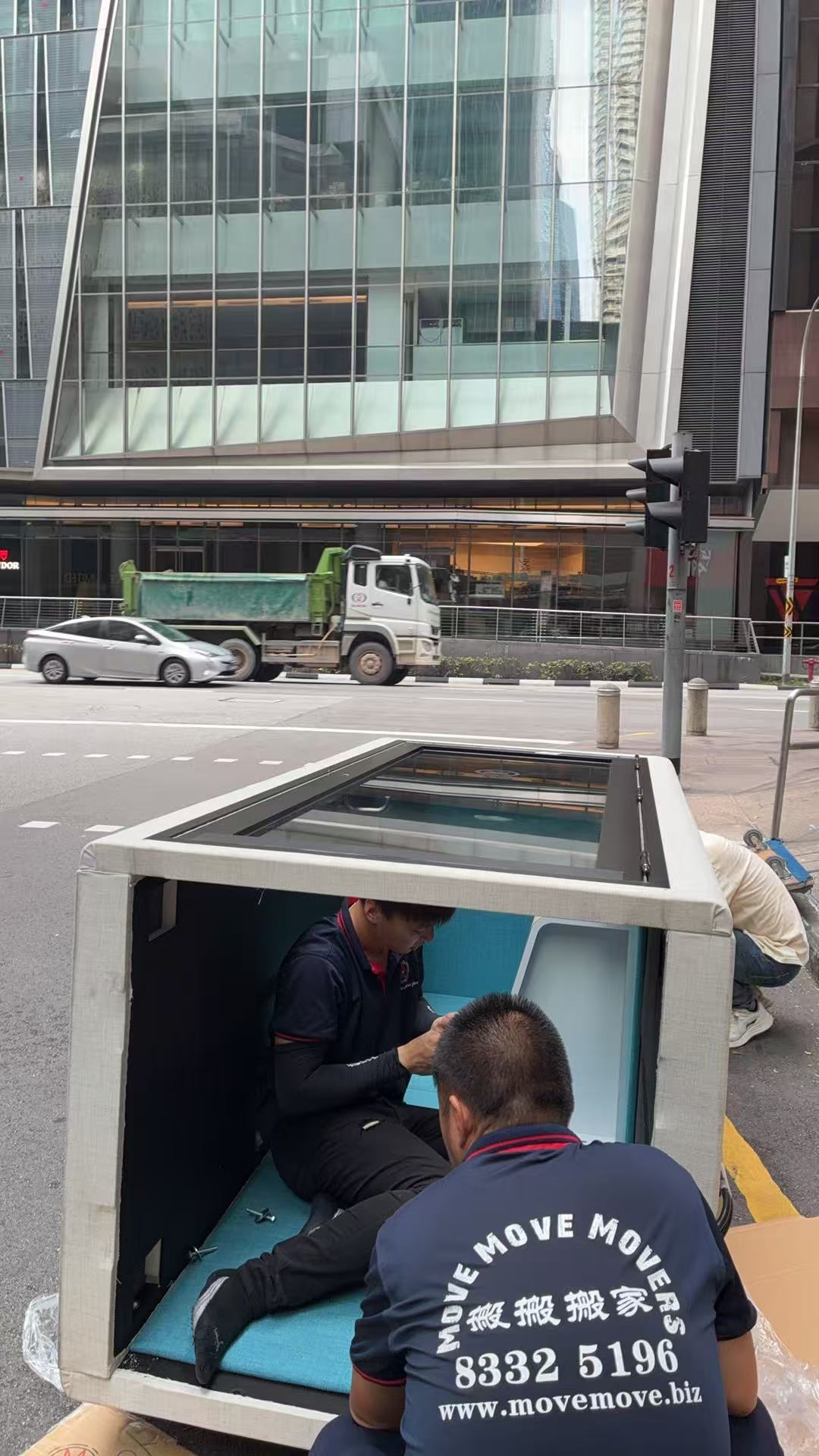
What changes from one job to another is not just the item list. It is also how the work needs to be done. One loose chair near the lift is easy. A mixed load still inside a unit, with stairs, narrow corridors, or building timing restrictions, is a different kind of job entirely.
Why this matters
Planning gets easier when you can quickly tell whether the job is public pickup, bulky removal, furniture disposal, or a mixed-load clearance.
Disposal planning 02
Customers often ask for a price first, which is understandable. But the quote usually depends on the workload around the items, not only on the number of items themselves.
The main factors are usually:
That is why two flats with “roughly the same furniture” can still receive different scopes. One may be a simple collection. The other may need more manpower, a larger vehicle, or extra time because the access is much harder.
Why this matters
The item list matters, but access, manpower, building rules, and timing windows usually shape the real scope.

Disposal planning 03
Public disposal routes are often enough when the job is genuinely small and straightforward.
That usually means:
If you are only clearing one or two manageable household items and can follow the booking rules for your area, public collection can work well. It starts becoming less practical when the work is tied to a moving date, a renovation schedule, or a larger room clearance where everything has to be removed in one short window.
Why this matters
Some residential jobs really are simple, especially when access is easy, the item count is low, and you are not under time pressure.
Disposal planning 04
Private disposal help is usually worth it when the job has too many moving parts to stay simple.
This includes:
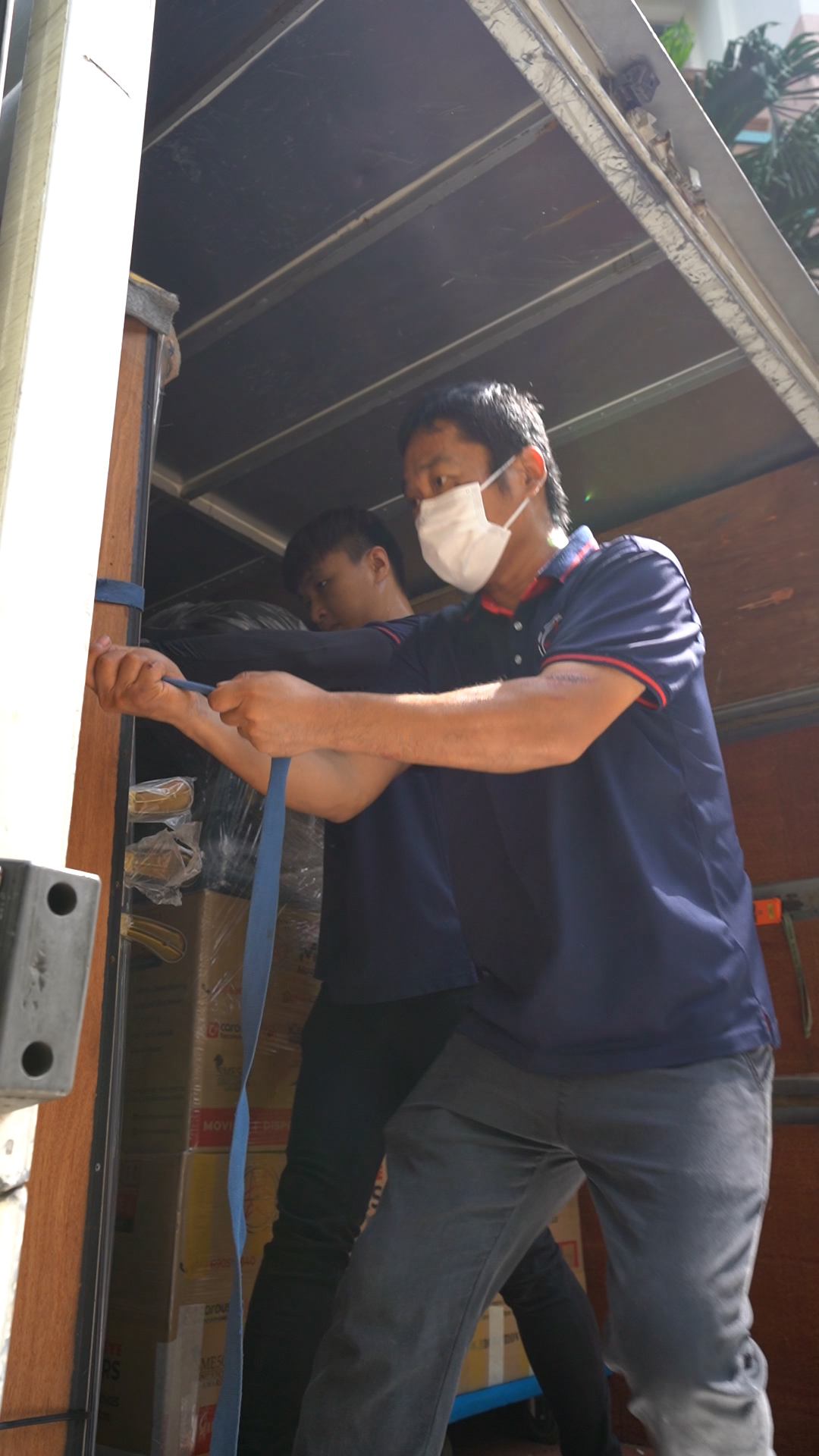
In these situations, customers usually want certainty more than anything else. They want to know the items will be removed on the agreed day, that the team understands the access conditions, and that the whole load can be handled properly without repeated trips or last-minute changes.
Disposal planning 05
This is usually the right focus when the job is mainly old household furniture such as tables, bed frames, cabinets, shelves, or sofas. If your disposal is mainly furniture-led, our furniture disposal page is often the most relevant next step.
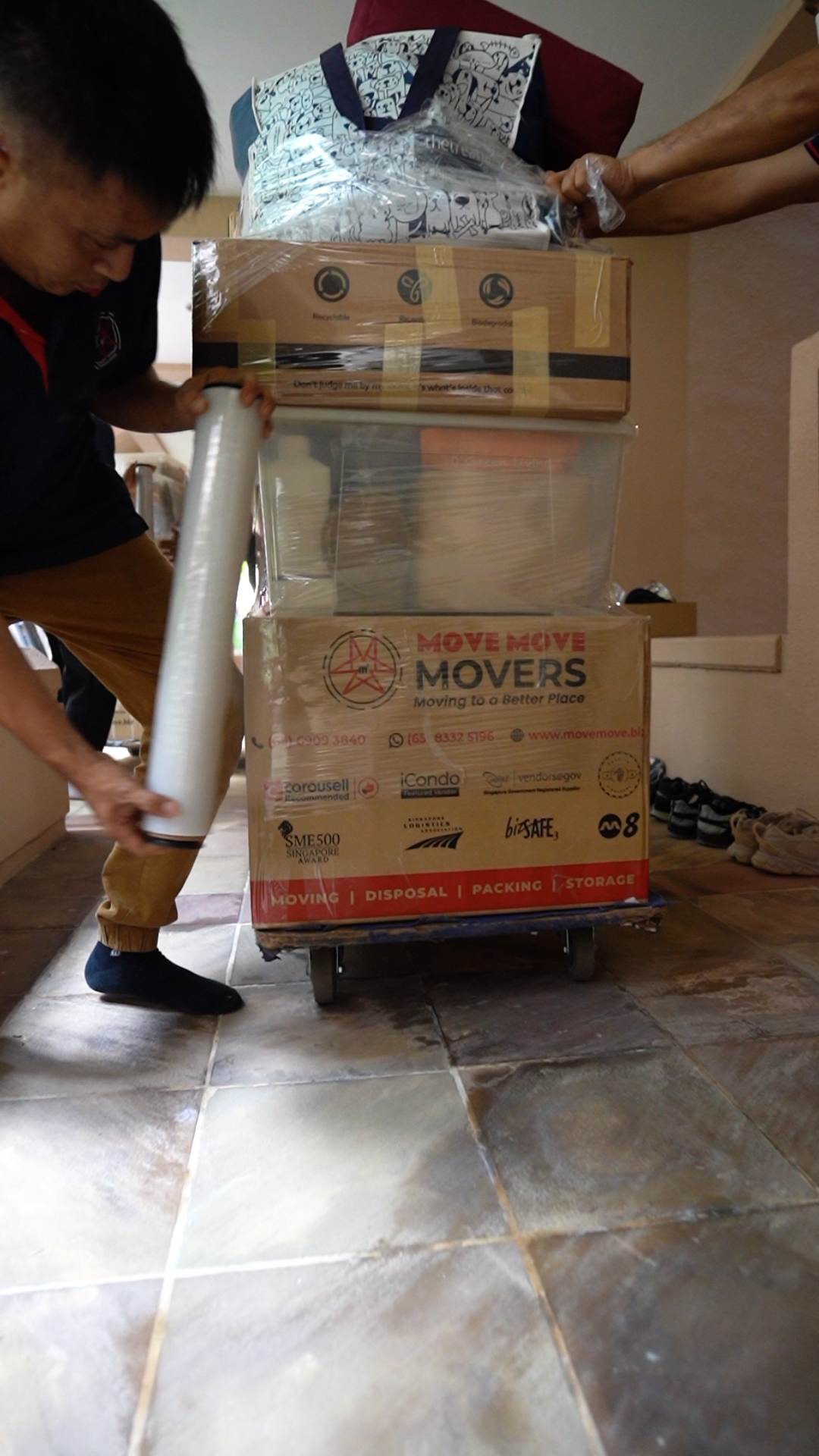
This is more useful when the issue is not only the item itself, but also the physical handling around it: carrying distance, difficult access, heavy pieces, or several bulky items in one collection. In that case, bulky-item removal is often the better fit.
Once the job includes different types of unwanted items from one unit, it often stops behaving like a single pickup and starts behaving like a small clearance project. This is where the broader disposal service in Singapore route becomes more useful.
Commercial jobs often come with tighter access windows, loading coordination, and more pressure to complete the removal cleanly and quickly. Quote clarity matters even more in those cases.
Route comparison
If you want a fast first cut before asking for quotes, use this comparison to match the job to the most likely route.
Route
Best fit
Usually not ideal when
Public collection / town council route
One or two simple household bulky items, easy access, and enough booking flexibility to wait for the available collection date.
Several items, inside-unit carrying, dismantling, mixed rubbish, or a deadline that cannot move.
Heavy furniture, awkward access, multiple bulky pieces, or jobs where faster collection matters.
Tiny one-item jobs that can comfortably wait for a public route.
Sofas, mattresses, cabinets, tables, bed frames, chairs, and other loose home furniture as the main load.
Jobs that are really mixed-load clearances or include very different item types in one collection.
Mixed household loads, move-out clearances, and broader jobs where the route itself still needs to be clarified.
Very small jobs where the public route is already clearly enough.
Disposal planning 06
Before choosing a disposal service, ask these questions:
Those questions usually tell you far more than a headline price on its own.
Quick answers
These are the questions customers usually ask once they realise disposal is less about the item label and more about the real workload around it.
FAQ 01
If the load is one or two simple items, access is easy, and you can work around estate booking timing, public collection may be enough. If the items are still inside the unit, need dismantling, or must go on a fixed date, private removal is usually safer.
FAQ 02
Access, manpower, carry distance, stairs, dismantling, loading restrictions, and urgency usually move the quote faster than the item label itself.
FAQ 03
Yes. A mixed-load quote is usually clearer when the provider can see the whole scope in one trip instead of pricing each piece in isolation.
Disposal planning 07
If you want a clearer recommendation based on item type, access, and workload, start with our disposal service in Singapore. If the job is more specific, you can also go directly to our bulky-item removal service or furniture disposal page for a more targeted option.
Choose your route
If you are not sure whether your job needs a simple pickup, bulky-item removal, or a fuller disposal service, we can help you start with the option that matches the real workload.
01What needs to go, roughly how much of it, and where it is now
02Any lift booking, loading bay, or after-hours timing constraints
03Whether this is a home, mixed-use, or office clearance situation
Use the service page next when the job needs clearer manpower planning, more reliable collection timing, or a route that can handle awkward access cleanly.