











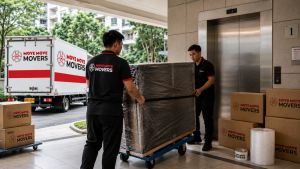
Bulky-item route guide
Compare public pickup, reuse, and private removal first
Bulky-item disposal is easiest when you decide early whether you are dealing with a simple pickup, a reusable item, or a bigger furniture removal job. The right choice depends on item size, access, and timing, not just the item name.
Bulky-item disposal in Singapore usually starts with a simple question: “How do I get this old item out?” What makes it harder is that the right answer depends on more than the item name. A single mattress at the lift lobby is one kind of job. A wardrobe, bed frame, and damaged desk still inside the room is another.
That is why choosing the right option early saves a lot of frustration. Some households only need a public collection booking. Others need manpower, dismantling, or a fixed collection date. If your job involves more than a simple pickup, a proper bulky-item removal service is often much easier than trying to force a smaller route to handle a bigger task.
What this guide covers
01Compare public pickup, donation, and private removal before booking anything.
02Look at access, manpower, and timing, not just the item label or the cheapest option.
03Move to the bulky-item removal page if the job involves heavy lifting or several pieces.

Best for readers who need
01A realistic HDB or town council comparison
02A faster cost-and-scope reality check
03A clearer call on when private removal is worth it
At a glance
Public route basics
Simple bulky items can still go through a public route when timing is flexible and the movement is straightforward.
At a glance
What changes the quote
Weight, dismantling, protected lifts, and long carry distance usually matter more than the item category alone.
At a glance
When speed matters
Jobs tied to a move, renovation, or handover usually benefit from a route built around labour and timing from the start.
Bulky-item guide 01
What usually counts as a bulky item
Bulky items are normally the large household pieces that cannot go into standard waste disposal. Common examples include:
- mattresses
- sofas
- wardrobes
- bed frames
- dining tables
- cabinets
- large shelves
- study desks
The important thing is that bulky items do not all create the same amount of work. A lightweight chair is easy. A storage bed with drawers, a large sofa, or a wardrobe that must be dismantled can take much more time and labour than people expect.
Before you decide on a disposal method, it helps to ask which situation sounds most like yours:
- one or two easy items
- a few household items from one room
- a move-out or renovation clear-out
- a heavy or awkward item with difficult access
That answer usually tells you more than the item label alone.
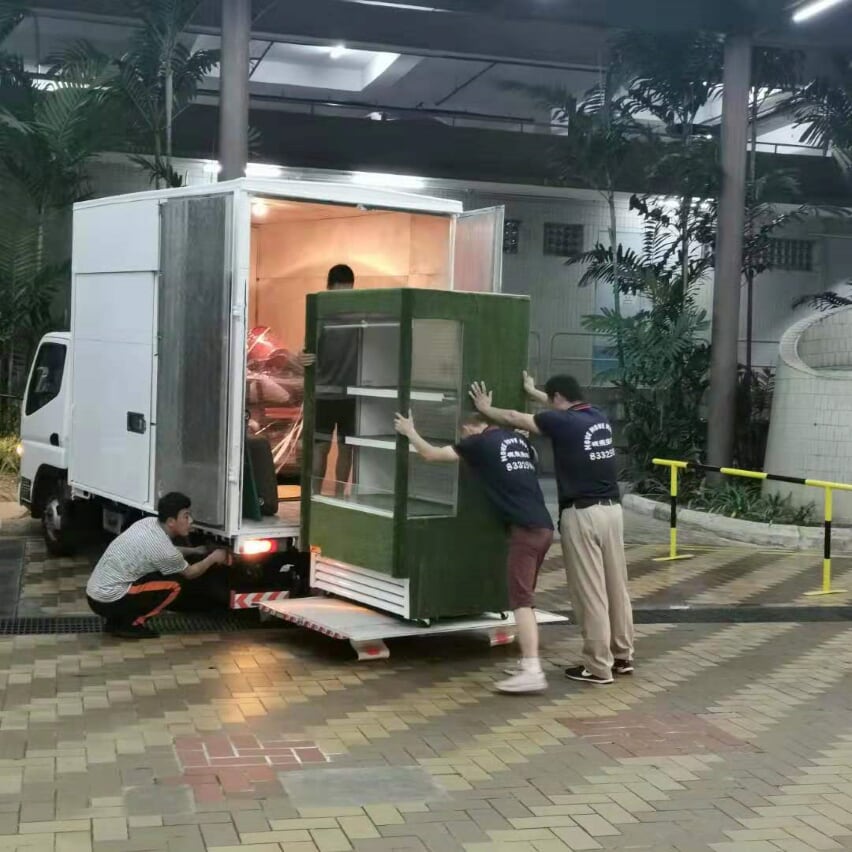
Why this matters
Not every bulky item behaves the same way
A mattress already outside the unit is simple. A wardrobe that still needs dismantling and carrying out from a room is a very different disposal job.
Bulky-item guide 02
When HDB or town council collection is enough
For many HDB households, the first option is town council bulky-item pickup. It can be a good fit when:
- the number of items is small
- the items are easy to identify and move
- you can work around the available collection date
- the items do not need major dismantling
- the job is residential and straightforward
This route is often enough when you are replacing one item at a time and you are not in a rush. It becomes less suitable when you are clearing multiple pieces before moving, making space for new furniture, or trying to finish disposal before a contractor or tenant handover.
If you already know the job is more than a basic pickup, it is better to compare with a broader disposal service in Singapore before you lose days trying to make a limited route work.
Why this matters
Public routes are strongest when access stays simple
As soon as carrying distance, dismantling, or protected lift use comes into the picture, disposal needs to be judged by workload, not only by item type.
Bulky-item guide 03
Why fees and “cheap options” can be misleading
The word “fees” often makes people focus only on the collection price, but the real cost of bulky-item disposal is usually tied to how much work happens before the item even reaches the truck.
What changes the scope most often:
- number of items
- size and weight
- whether dismantling is needed
- distance from room to lift or loading point
- stair use
- management or lift protection requirements
- how quickly the job must be done
That is why one customer can clear a mattress very easily while another customer struggles with a wardrobe that has to be dismantled, carried through a narrow corridor, and removed before a fixed move-out date. On paper both are “bulky disposal.” In real life the work is very different.

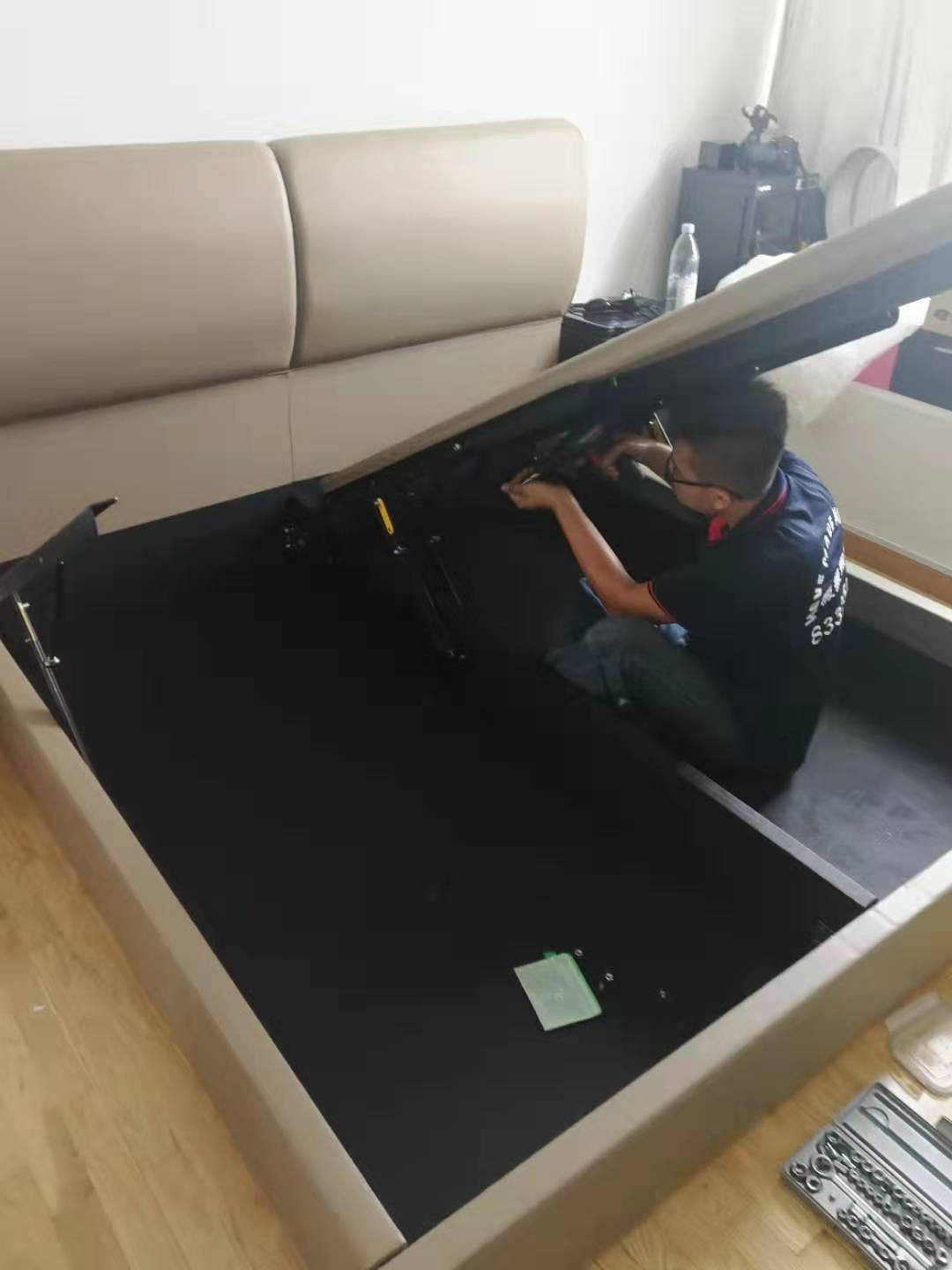
Why this matters
Access problems usually change the route fastest
Tight turns, heavy panels, older corridors, and narrow lift access are often the details that turn a simple plan into a full removal job.
Bulky-item guide 04
Reuse, donation, and resale: worth considering, but not always practical
If the item is still clean, usable, and in reasonable condition, donation or resale can be a good option. This works best when:
- the furniture is still functional
- the collection does not need to happen urgently
- someone else can take the item in the same condition it is in now
- access is easy enough for a buyer or recipient to collect it
This route often stops working when the item is damaged, dirty, oversized, or difficult to move. In those cases, trying to resell or donate it can delay the job without solving the real disposal problem.
Bulky-item guide 05
When private bulky-item removal becomes the better choice
Private removal is usually worth it when the main issue is not “where can I throw this away?” but “how do I actually get this out properly?”
It is often the better option when you need:
- one confirmed collection date
- removal of several bulky items in one trip
- help with carrying from inside the unit
- dismantling support
- a team that can handle awkward access
- disposal tied to moving, renovation, or handover timing
Customers usually choose private removal because they want the job done with less back-and-forth. If the furniture is heavy, the timeline is tight, or the access is difficult, having one team handle the removal properly is often the simplest answer.
Bulky-item guide 06
A practical checklist before collection day
Before you confirm any disposal plan, check:
- How many items are actually leaving?
- Are they still assembled, or do they need dismantling first?
- Can they pass through the corridor, door, and lift without difficulty?
- Are you working around a move-out, renovation, or delivery date?
- Is donation realistic, or do you really need full disposal?
- Would one removal trip be easier than trying to split the job into stages?
These questions help you choose based on the real work involved, not just on the item name.
Bulky-item guide 07
Need bulky-item removal with a clearer collection plan?
If you need more manpower, a faster booking window, or help with large furniture and awkward access, review our bulky-item removal service. If you are still weighing different disposal options, our broader disposal service in Singapore can help you compare the next best route.
Bulky-item removal
Need bulky-item removal that is easier to plan?
If your disposal job involves heavy furniture, several items, or difficult access, our bulky-item removal service gives you a clearer plan from collection to clearance.
What helps us judge a bulky-item job properly
01Photos of the item and the path out of the unit
02Whether dismantling or protective wrapping is needed
03Your preferred collection date and any access restrictions
Use the service page next when the job needs clearer manpower planning, more reliable collection timing, or a route that can handle awkward access cleanly.