










Moving a retail store in Singapore is not just about getting goods from one unit to another. In most cases, the bigger challenge is working around mall rules, delivery windows, site protection requirements and reopening deadlines.
That is why retail relocations should be planned differently from general commercial moves. Shopping mall operators often have tighter operational controls, more stakeholder coordination and less tolerance for disruption in customer-facing areas.
Confirm delivery windows before you build the move plan
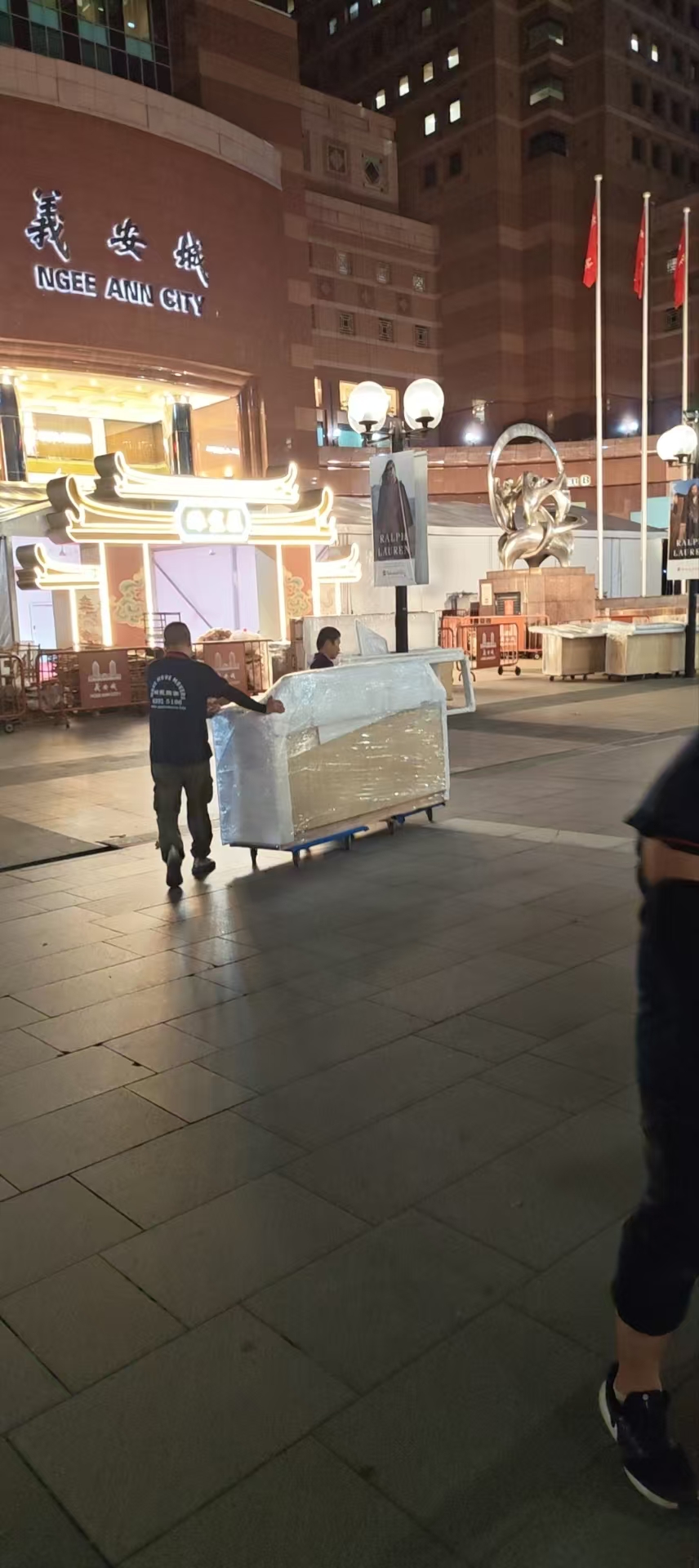
Many retail sites do not allow unrestricted moving activity. Mall management may only permit deliveries and move works during approved time windows, often outside customer-facing hours. That changes truck arrival timing, unloading sequence, manpower deployment and whether the move must happen overnight.
Understand protection requirements for common areas and storefronts
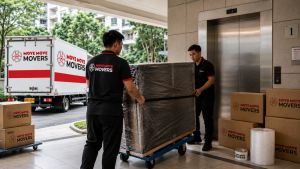
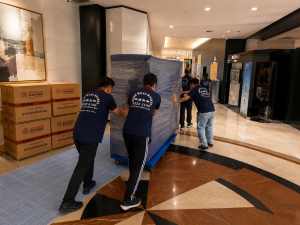
Retail moves often happen in shared commercial environments. Mall management may require floor protection, corner protection, lift padding, route control or restrictions on where bulky items can be staged.
This matters even more when you are moving display units, counters, fragile fixtures or branded elements that cannot afford rough handling.
Align security, permits and contractor coordination
Retail moves often involve more than one decision-maker. Besides your own team, the project may also need coordination with mall management, security, building operations teams, fit-out contractors, and vendors.
Before moving day, clarify who approves access, what contractor details must be submitted, whether vehicle numbers are needed in advance, and who will be present for access and handover.
Separate stock, fixtures and setup priorities
Retail moves should not be packed as one generic inventory block. For better control, separate saleable stock, display stock, counters and shelving, POS equipment, visual props and fragile brand assets. This helps your mover decide what needs protection, what moves first and what must be placed immediately for reopening.
Plan around reopening, not only unloading
A retail project is not complete just because the truck has unloaded. In most cases, the real success measure is whether the store can reopen on time and whether the front-of-house environment is ready.
If your project includes tight access rules and reopening deadlines, it helps to review what a commercial moving service in Singapore should cover before you compare vendors.
Use after-hours or phased execution when the site requires it
Retail moves often work best outside standard trading hours. After-hours or overnight execution may be the better choice when the mall only allows work during non-trading periods or when setup and relocation must be coordinated in sequence.
If you need support for a retail or mall relocation with tighter control, start with our commercial movers in Singapore page for the wider project scope.