











Singapore moving guide
Easy moving tips for a calmer, better-organised move
A smooth move starts before the lorry arrives. Use this practical guide to define the job, prepare access, pack by room, protect fragile items and keep the essentials within reach from the first box to the final handover.
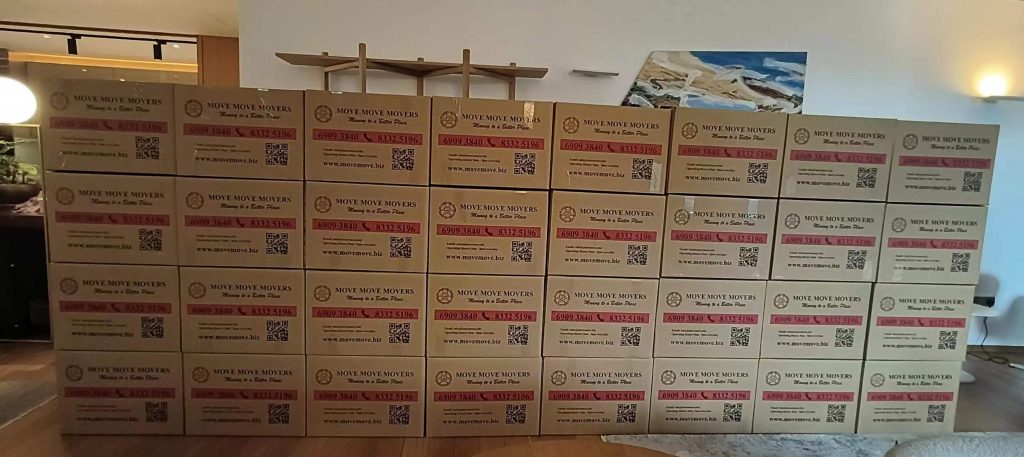
Plan the job before packing
Define the real scope first so the quote, crew, vehicle and access plan can match the move.
1. Write down both addresses and the move date
Keep the collection point, destination, preferred date and a reachable move-day contact together in one note.
2. Build a simple item inventory
List cartons, furniture, appliances and unusual items. Photos help show size, condition and access more clearly than a short label alone.
3. Record lift, staircase and loading access
Note the floor, lift availability, corridor width, stairs, loading point and likely trolley distance at both locations.
4. Compare quotes by included scope
Check what is included for manpower, vehicle, packing, dismantling, protection, access and additional trips instead of comparing only the headline amount.
5. Separate move, dispose, donate, sell and store
Give every item one destination. This prevents unwanted items from being packed and reduces decisions on moving day.
6. Identify items that need special handling
Flag glass, artwork, instruments, large appliances, fragile furniture and anything that may need dismantling or additional protection.
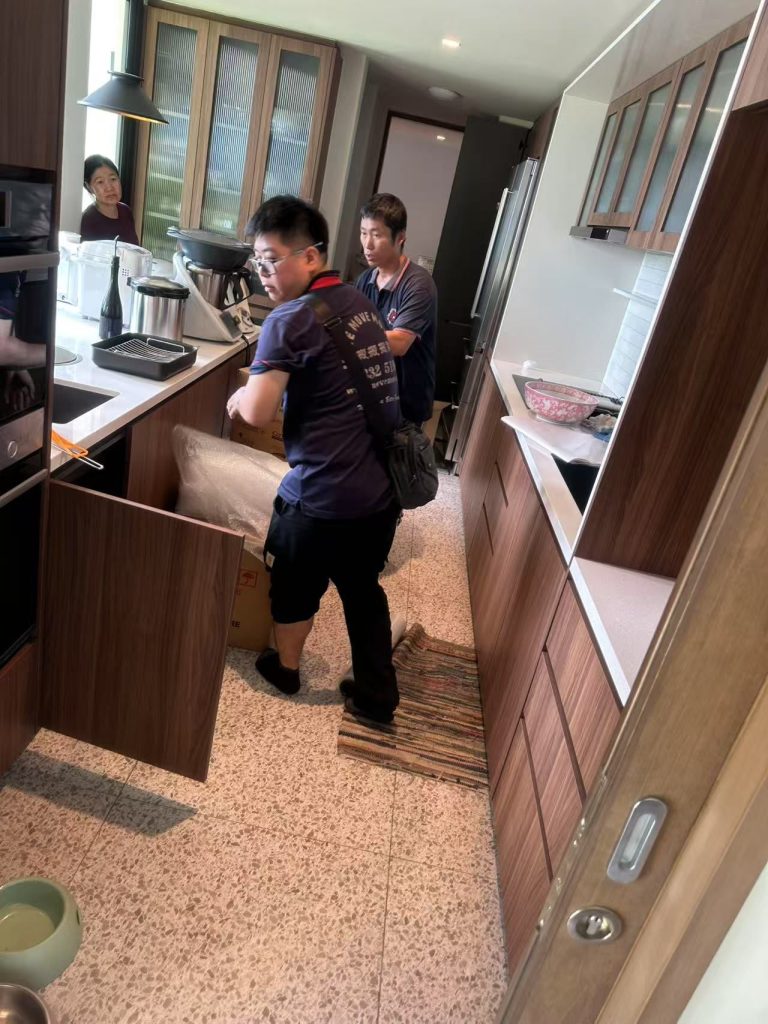
Pack for handling, not only for storage
Good packing makes boxes safer to lift, easier to identify and faster to place in the correct room.
7. Start with rarely used items
Pack décor, spare linen, books and off-season items first. Leave daily essentials until the final stage.
8. Use smaller boxes for heavier contents
Books, files and dense kitchen items are easier to carry when the box remains compact and is not overloaded.
9. Use larger boxes for lighter contents
Bedding, cushions and lightweight items can fill larger cartons without creating an unnecessarily heavy load.
10. Fill empty space inside cartons
Use suitable cushioning so items cannot shift freely, while keeping each carton stable and able to close flat.
11. Seal the base and top properly
Close every carton with suitable packing tape. Avoid leaving open flaps that can catch during handling.
12. Label the room and priority
Mark more than “miscellaneous”. A room name plus a short contents label and “open first” note is much more useful.
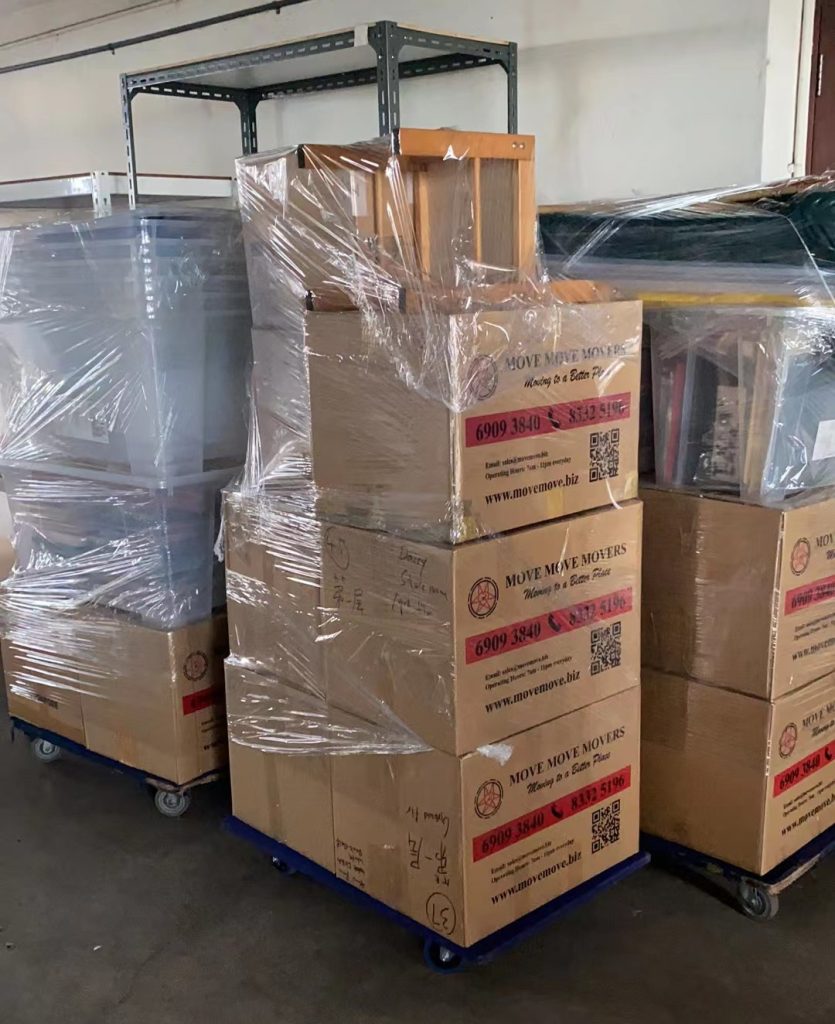
13. Number cartons if the move is large
A simple carton count makes it easier to check the load at collection and again at the destination.
14. Photograph cable connections
Take clear photos before unplugging televisions, routers, computers and entertainment equipment.
15. Keep liquids upright and separately contained
Tighten caps, isolate liquids from paper and electronics, and use a secondary bag or container where leakage is possible.
16. Pack important documents yourself
Keep identity documents, medication, keys, payment items and irreplaceable valuables with you rather than in the general load.
Need help with the packing stage? Review the packing service and the packing materials and tools guide before deciding what to handle yourself.
Prepare the property and moving day
Clear access and one agreed plan reduce last-minute obstruction and repeated handling.
17. Confirm access arrangements early
Check the relevant building procedures, loading access and lift arrangements for both properties before move day.
18. Clear the route from room to vehicle
Remove loose obstacles and keep doorways, corridors and the intended trolley path available.
19. Protect surfaces where needed
Plan suitable protection for floors, walls, lift interiors, corners and furniture that may be exposed during handling.
20. Prepare appliances according to their instructions
Follow the manufacturer’s guidance for disconnecting, draining, defrosting, securing and restarting each appliance.
21. Make a no-pack zone
Put keys, chargers, documents, medication, cleaning items and the first-night bag in a clearly marked area that stays with you.
22. Keep children and pets away from the work route
Arrange a safe space or separate care so doors, lifts and carrying paths remain predictable.
23. Assign one decision-maker
One person should answer placement and scope questions so the crew receives clear, consistent instructions.
24. Check every room before departure
Inspect cabinets, service yards, balconies, storerooms, bathrooms and utility areas before the final load leaves.
25. Keep a weather contingency
In wet conditions, shorten exposed routes where possible and keep suitable covers and dry placement areas ready.
26. Confirm the destination room labels
Make sure carton labels match the room names that will be used at the new property.
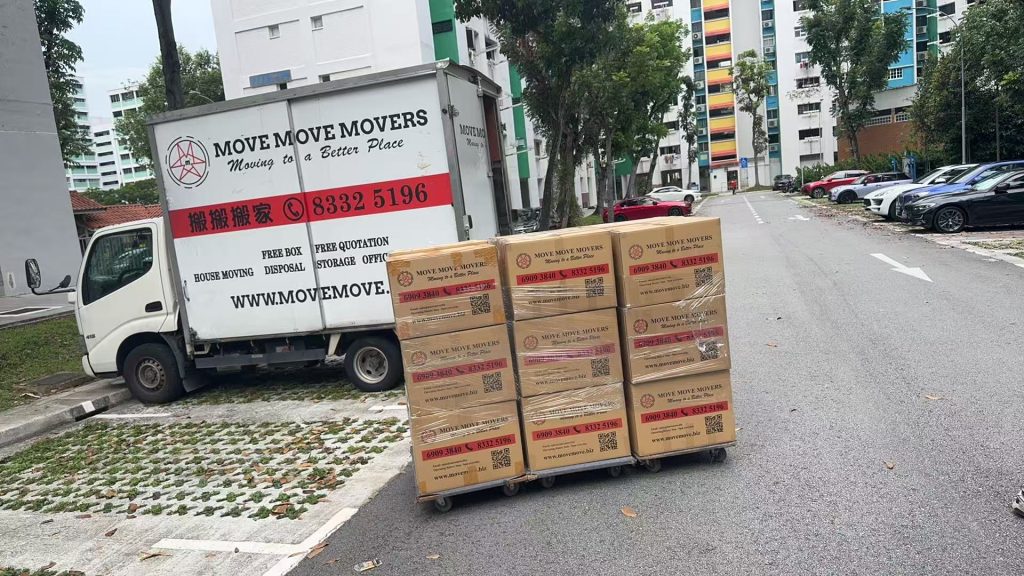
Unload and settle in methodically
Place the right items first, check the inventory and keep the new home usable while unpacking.
27. Direct large furniture first
Confirm the intended room and orientation before the surrounding space fills with cartons.
28. Place cartons by room label
Avoid creating one large pile. Room-by-room placement reduces later lifting and searching.
29. Check the carton count
Compare numbered cartons and key items against the inventory before the team leaves.
30. Open essentials first
Start with bedding, toiletries, basic kitchen items, chargers and the items needed for the first night.
31. Inspect before discarding protection
Confirm furniture, appliances and fragile items before flattening cartons or removing all protective material.
32. Report concerns promptly
If something appears different from the agreed condition or scope, document it clearly and follow the contact process in your quotation or service terms.
33. Unpack one functional room at a time
A usable bedroom, bathroom and basic kitchen are more valuable than several half-unpacked rooms.
34. Reuse or clear packing materials responsibly
Keep cartons that remain useful, separate recyclable material where suitable, and arrange removal for unwanted bulky items.
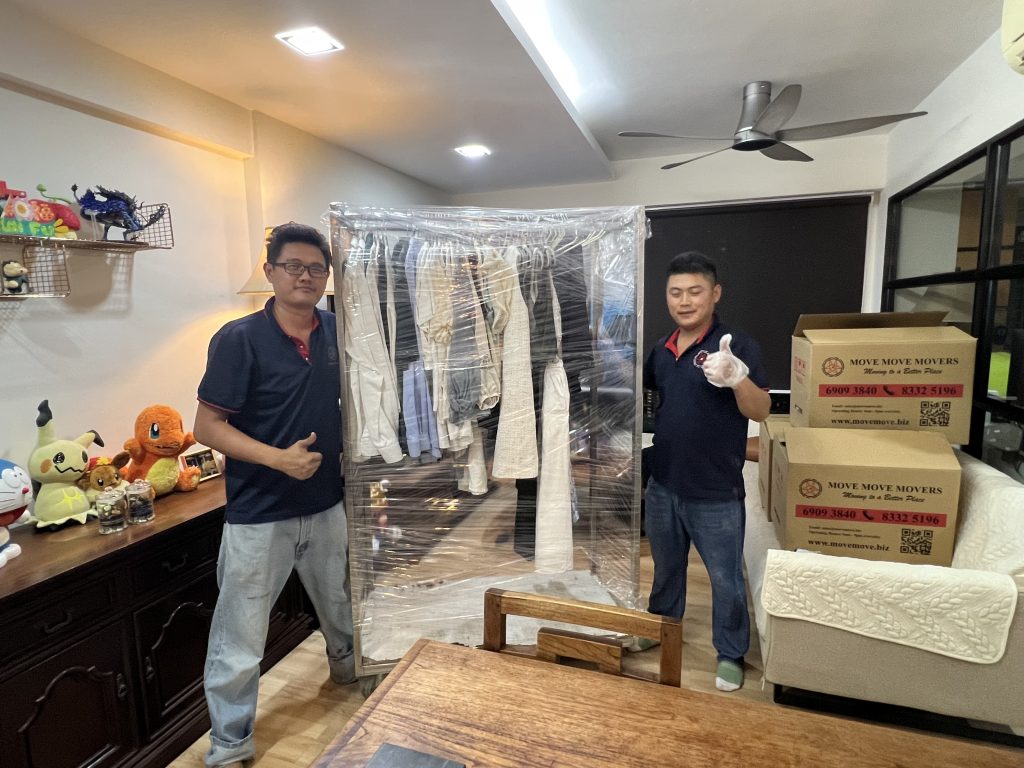
Quick Singapore moving checklist
Use this as a final sequence, then adjust it to the property, item mix and services in your confirmed quotation.
| Two to four weeks before | Confirm addresses and date, prepare the inventory and photos, request an itemised quote, decide what will not move, and check access arrangements. |
|---|---|
| About one week before | Pack non-essentials, label cartons, confirm special-handling items, prepare documents and organise utilities and keys. |
| The day before | Prepare the essentials bag, charge phones, clear access routes and follow the relevant appliance preparation instructions. |
| Moving day | Keep one decision-maker available, protect no-pack items, check rooms before departure and direct placement at the destination. |
| After arrival | Check the inventory, inspect key items, unpack essentials first and retain records relating to the completed move. |
DIY or professional movers? A small, simple move with easy access may be manageable on your own. A larger inventory, tight access, bulky furniture, fragile items or multiple services usually benefits from a clearly scoped professional plan. See the house moving service, moving price guide, storage options and disposal services before deciding.
Prepare a clearer moving quotation request
Send both addresses, the move date, an item list or photos, and the access details for collection and delivery.