
Office Move-Out Checklist for Singapore Businesses
Use this Singapore office move-out checklist to plan building access, lift booking, after-hours moving, disposal and handover.

5,000+ real customer reviews










Office move-out checklist
A good office move-out plan is not just a packing list. In Singapore, the real pressure usually comes from building rules, lift booking, loading bay timing, IT equipment, furniture disposal and a handover date that cannot move.
Start here
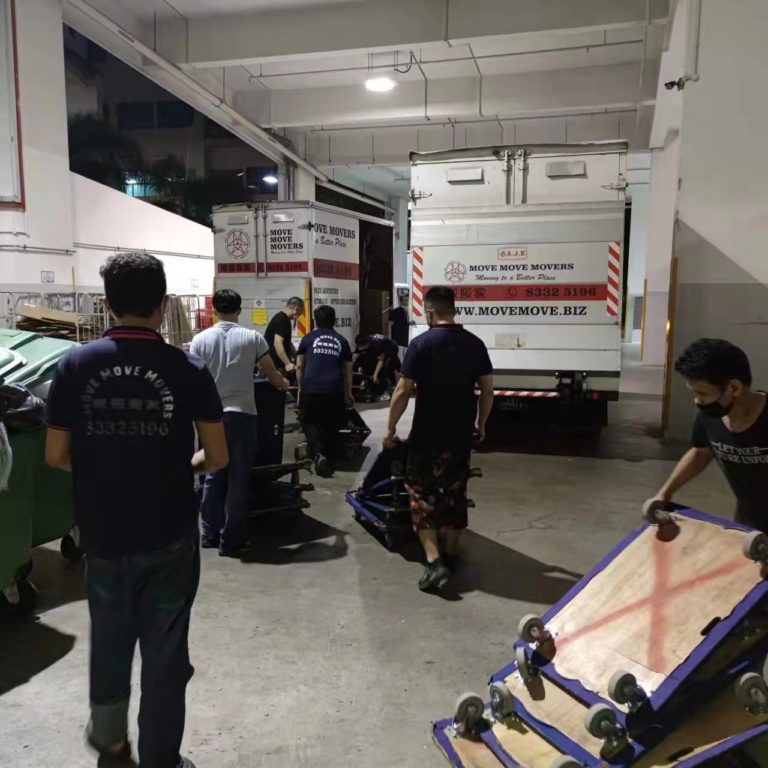
Start with the date the unit must be empty, not the day you hope to move. Work backwards for packing, IT shutdown, lift booking, loading bay access, disposal and final cleaning.
Many office moves depend on building rules. Some sites require lift padding, loading bay approval, security registration, contractor details or after-hours windows.
Inventory
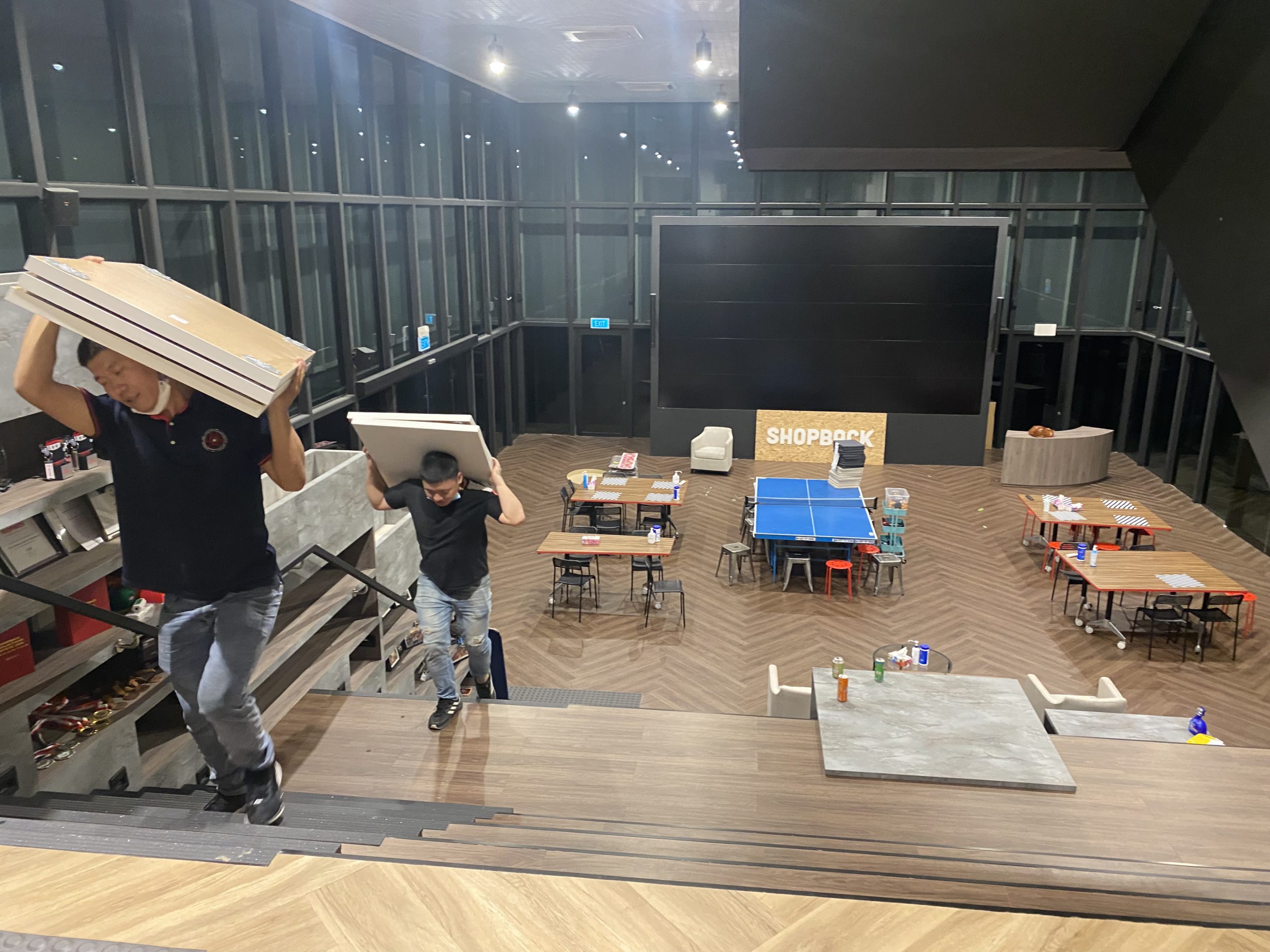
A vague “one office move” request usually leads to quote changes later. A useful inventory tells the team what has to move, what stays, what gets disposed and what needs protection.
Move sequence
Disposal and e-waste
Office move-outs often uncover furniture, old monitors, loose cables, cabinets, archive boxes and pantry equipment that are not going to the new site. Keep these in a separate disposal list so the moving quote does not become unclear on move day.
Desks, chairs, cabinets and tables can be quoted through Office Disposal Service when they are not being reused.
For regulated e-waste such as ICT equipment, check NEA’s e-waste recycling guidance and separate those items from normal furniture disposal.
Confidential papers should not be treated as ordinary junk. Decide internally whether they need secure shredding, retention or authorised disposal before moving day.
What to send
If the office is still operating, send photos first. The team can usually identify missing access or disposal details before the site visit or final quote.
FAQ
For a small office, start once the handover date and building rules are known. For larger offices, start earlier so lift booking, after-hours access, disposal and IT handling can be planned together.
Yes, when the scope is clear. Separate the moving inventory from the disposal list so the team can quote manpower, vehicle space and disposal routing properly. For disposal-heavy jobs, use Office Disposal Service.
The most common causes are missing item counts, no loading bay information, lift restrictions, extra dismantling, last-minute disposal, stairs, long push distances and work that must be done after hours.
Regulated e-waste, confidential documents, hazardous material and landlord-controlled fixtures need separate handling decisions. Check official guidance where relevant before treating them as ordinary office furniture.
Ready to scope the move-out?
Share the inventory, access rules, disposal list and preferred moving window. Move Move Movers can then plan the office move-out around downtime, building requirements and clean handover.