



Renovation storage guide
If your renovation involves hacking, wet works, painting, carpentry or a delayed handover, the safest place for bulky furniture is usually outside the active work zone. This guide explains where to store furniture during renovation in Singapore, what to move first and when mover-assisted storage is worth arranging.
01Separate items into stay, temporary storage, dispose and first-return groups before work starts.
02Move fabric items, mattresses, electronics, wood furniture and documents away before dusty or wet works begin.
03Use a storage service in Singapore when packing, collection, storage and return delivery need to be handled together.

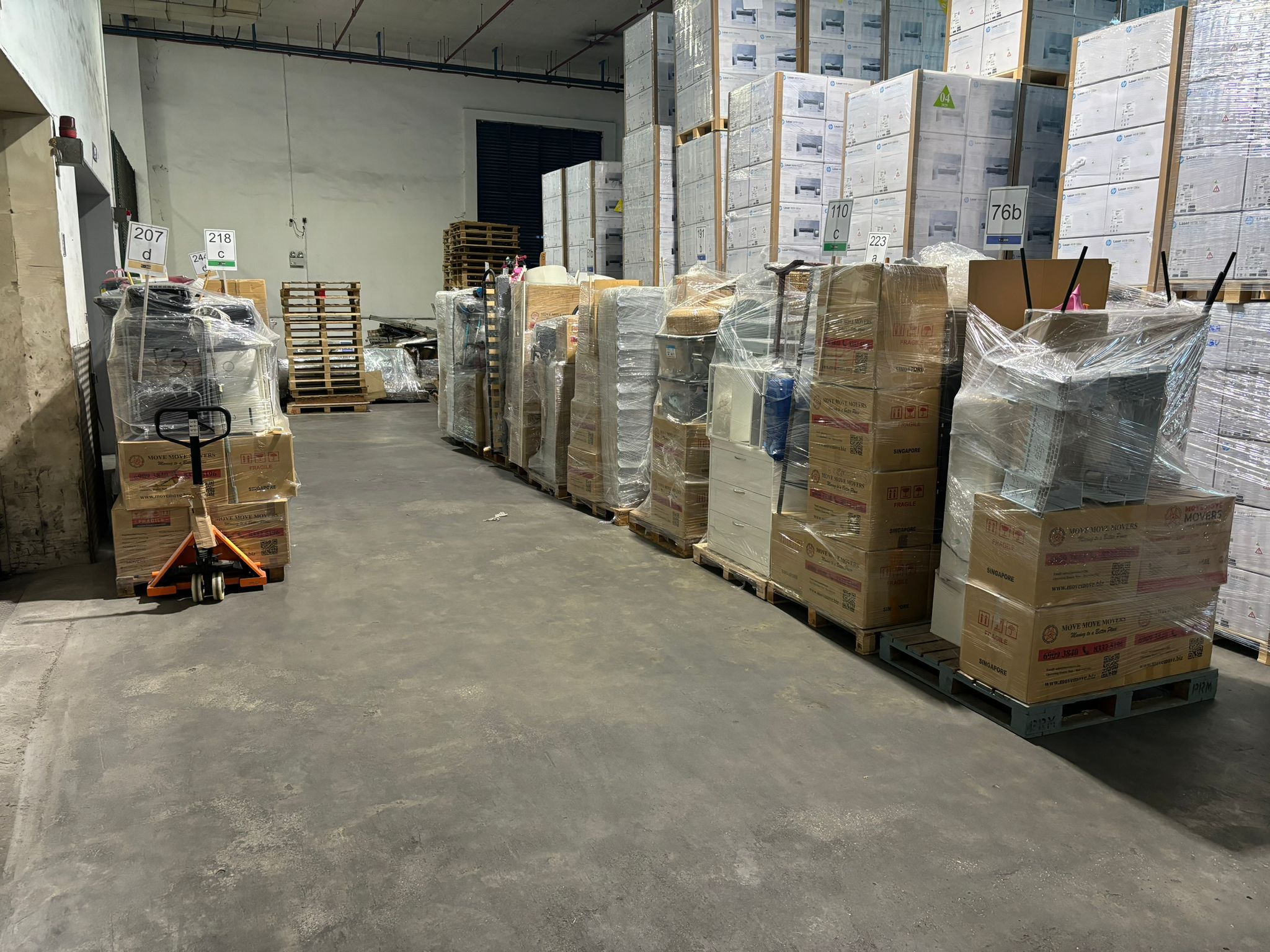
Use renovation storage for wrapped furniture, boxed household items and bulky pieces that should stay away from dust, paint and contractor traffic.
01HDB, condo and landed renovations where furniture cannot safely stay inside the unit.
02Customers who need storage solutions for domestic moves when renovation and moving dates overlap.
03Homes that also need packing, disposal or a staged return delivery after cleaning.
Arrange renovation storage before hacking, wet works and dusty carpentry start, not after the home is already crowded.
HDB corridors, stair landings and condo common areas should not become furniture holding zones during renovation.
Label cartons by room and return priority so the crew can bring back essentials after painting, carpentry and deep cleaning.
Storage plan
A renovation storage plan should follow the contractor schedule. Hacking, waterproofing, tiling, painting and carpentry each create different risks, so a room that looks usable on day one may become a dusty staging area by week two.
For HDB homes, check the latest HDB renovation information before work begins. For common corridors and stair areas, the SCDF residential estate fire safety guidelines are also a useful reminder that access routes must stay clear.
The practical rule is simple: keep frequently used essentials nearby, move valuable or bulky furniture into temporary storage, and dispose of items that should not return to the renovated home.
Where to store furniture during renovation
There is no single best storage option for every home. The right answer depends on dust level, renovation length, property access, item value and whether your return date is firm.
For home renovation storage, choose the option that can protect furniture through the messiest phase of the works and still return items in the right sequence after cleaning.
Works only for light renovation when one room can stay genuinely clean, dry and locked. It is risky when hacking, paint, dust or contractor access spreads across the unit.
Useful when you can pack, transport and return items yourself. Check access hours, lift availability, unit size and whether bulky furniture can be moved in safely.
Best when you need packing, collection, temporary storage and return delivery handled as one job. This is usually easier for bulky furniture, mattresses and large cartons.
Choose this for damaged furniture, old appliances or items that no longer fit the new layout. It saves storage cost and keeps the return delivery smaller.
Singapore home types
Check lift access, corridor width, Town Council notices and contractor timing. Avoid leaving bulky items in shared corridors or near stair access.
Ask the MCST or management office about lift booking, padding requirements, loading bay timing and whether return delivery needs another approved slot.
Confirm driveway access, stairs, split levels and large furniture routes. Larger homes often benefit from staged collection and staged return delivery.
Packing priority
Start with the items most likely to be damaged by dust, moisture or repeated handling. Good packing also makes the return delivery faster because the crew can place items by room instead of asking you to sort everything on the spot.
If packing is the bottleneck, add packing service before the storage collection instead of rushing loose items on move day.
01Wet items, food, open liquids or anything that can leak.
02Flammable, hazardous or prohibited items.
03Unlabelled loose bags that will be hard to return to the correct room.
01Room name: master bedroom, study, kitchen, living room.
02Priority: open first, store last, fragile, heavy.
03Return timing: before move-in, after cleaning or after carpentry touch-up.
Quote drivers
A useful storage quote should not be based only on the number of cartons. For renovation storage, the real work is shaped by access, item protection and whether the return delivery is simple or staged.
Furniture storage during renovation should be quoted with both collection and return delivery in mind, because the same sofa or cabinet may need a very different route once carpentry, flooring or painting is complete.
Large sofas, bed frames, dining tables and cabinets need more space and may need dismantling before collection.
A short paint job and a long full-home renovation create very different holding periods and return timing risks.
Stairs, long push routes, condo lift slots, loading bay rules and landed-home access affect manpower and timing.
Wrapping, carton supply, labelling, staged return and room-by-room placement should be stated before confirmation.
For a route where moving and storage happen together, see the moving with storage option.
Storage plus disposal
Renovation is a good time to decide what no longer fits the new layout. If an old wardrobe, appliance, mattress or loose furniture set will not return, remove it before storage collection so the quote and return delivery stay lean.
Use disposal service for unwanted bulky items, and keep renovation storage for the pieces you actually want protected and returned.
01Send photos of bulky items, fragile items and rooms that need clearing.
02Confirm old and new access details, including lifts, stairs, loading points and timing restrictions.
03Separate return-first items from long-hold items if the renovation may finish in stages.
Renovation storage FAQ
These answers match the most visible Search Console queries for this article and keep the FAQ visible on the page as well as eligible for FAQPage schema.
For most HDB, condo and landed renovations, bulky furniture is safer in temporary storage than inside an active work zone. Dust, paint, moisture, hacking debris and contractor movement can damage items even when they are pushed into one corner.
You should not treat the common corridor or stair landing as a furniture storage area. Shared access routes need to stay clear for neighbours, emergency access and fire safety, so plan a proper storage or disposal route before work starts.
Book once your renovation start date and main dusty work dates are confirmed. For condo moves, check lift booking and management rules early because storage collection and return delivery may both need approved time slots.
Yes, if the item will not fit the new layout or is already damaged. Disposing first reduces storage volume, packing work and return delivery time, especially during full-home renovation.
Yes. Move Move Movers can help pack, wrap, collect, store and return household items so the renovation storage plan is handled together instead of split across different providers.
Storage quote
Send your renovation dates, item photos, access details and return timing. We can help you decide what should be stored, packed, disposed of or returned first.
01Renovation start date, expected completion date and preferred collection day.
02Photos of bulky furniture, fragile items, cartons and items for disposal.
03Lift booking, loading bay, stairs, corridor distance and return delivery timing.