











Buyer checklist
Compare moving companies by assumptions, not just by the headline number
The best question is rarely “Which quote is cheapest?” It is usually “Are these movers even pricing the same job?” Clearer questions reveal weak scope, missing access assumptions, and avoidable move-day surprises.
Most moving problems start long before the truck arrives. They usually begin when the customer and the mover think they are talking about the same job, but they are not.
One quote may assume the items are already packed and staged near the door. Another may include inside-unit carrying, longer push distance, protective wrapping, and a bigger crew. On paper, both look like “moving quotes.” In reality, they are pricing different workloads.
This is why the right questions matter. If you want a clearer overview of the core residential service itself, start with our house movers in Singapore page. If your move is into a managed development with tighter access rules, keep the condo moving service page in mind while you compare answers.
What this guide covers
01Use the eight questions to test whether the mover understands your property and workload.
02Look for scope clarity, access awareness, and a realistic manpower explanation.
03Use the price guide only after the scope itself has become clearer.
Most useful if you are
01Comparing two or three providers for the same residential move
02Unsure whether a quote is missing labour, access, or timing assumptions
03Trying to reduce move-day surprises before you commit
At a glance
Scope before price
A cheaper quote may simply cover less. Ask what is included before you decide whether the number is really better.
At a glance
Access changes everything
Stairs, long carries, condo slots, and awkward furniture are often the real reason quotes differ.
At a glance
Clarity is a service signal
Movers who can explain manpower, time, and risk more clearly are usually easier to work with on the day itself.
Quote clarity 01
1. Have you handled moves like mine before?
“Residential move” is too broad to be useful on its own.
Ask whether the mover has handled homes like yours before: HDB, condo, landed, walk-up apartment, access-heavy unit, or larger family home. A company that has managed similar properties will usually ask better questions about stairs, lift size, carry distance, truck access, and timing windows from the start.
If the answer stays generic, that is useful information too.

Why this matters
The right questions uncover hidden labour fast
Bulky furniture, dismantling, and inside-unit handling often make the biggest difference once the move starts.
Quote clarity 02
2. What exactly is included in the quote?
This is often the most important question.
Ask the mover to clarify:
- packing or unpacking
- dismantling and reassembly
- wrapping and floor protection
- carton supply
- truck size
- crew size
- waiting time
- disposal of packing waste
If the quote is short on detail, the cheapest number may simply be the shortest scope.
Why this matters
Access assumptions are usually where weak quotes break
If no one asked about the path out of the home, the quote probably still has blind spots.

Quote clarity 03
3. What assumptions are you making about access?
Access assumptions are where many quotes go wrong.
Ask whether the price assumes:
- direct lift access
- no stairs
- short carry distance
- easy truck parking
- no loading-bay waiting time
- no special move window restrictions
If your unit has a long corridor, a basement push, a strict condo slot, or a walk-up section, say it early. Those details can change both manpower and timing.

Why this matters
Manpower should be explained, not guessed
A good answer connects crew size to volume, access, and timing instead of giving a number with no reasoning behind it.
Quote clarity 04
4. How many movers and what truck size do you recommend?
This question tests whether the mover is actually sizing the job or just guessing fast.
A good answer should connect the crew size and truck size to your item volume, access conditions, and desired move speed. If you want a better sense of how crew size changes effort and cost, the moving price guide is the most relevant supporting page after this article.
Why this matters
Small scope changes can create real price changes
Extra cartons, awkward furniture, or a tighter finish window often matter more than people think before the job begins.

Quote clarity 05
5. What happens if there are delays or extra items?
Real moves change. Extra cartons appear. A wardrobe is heavier than expected. A lift slot starts late. The old sofa turns out to need dismantling.
Ask now what happens if the scope grows slightly or the timing slips. You are not looking for a perfect guarantee. You are looking for a company that explains change clearly instead of improvising charges later.
Quote clarity 06
6. What protection do you use for fragile or bulky items?
Do not leave this to assumption.
Ask what the mover does for:
- mattresses
- glass tables
- TVs
- mirrors
- sideboards
- bed frames
- bulky but awkward items that need turning space
If your move includes a lot of wrapping and item prep, a packing service may be more relevant than simply adding another pair of hands on move day.
Quote clarity 07
7. How do damage handling and claims work?
This does not need to be a confrontational question.
You are simply asking what the company expects if damage is discovered, what should be photographed, who should be told on the day, and what the reporting process looks like. Clear answers here usually signal a more mature operation overall.
Quote clarity 08
8. What details should be confirmed in writing before move day?
Before you confirm a mover, make sure the final scope is written clearly enough that both sides would describe the job the same way.
That usually includes:
- addresses
- move date and arrival window
- major item list
- access notes
- truck size
- crew size
- included packing or dismantling work
- payment structure
If the move is important enough to plan, it is important enough to write down properly.
Quote comparison
A quick quote-comparison table
Use this as a final sense check before you choose between two or three providers. The goal is not just to compare numbers. It is to compare assumptions.
What to compare
A stronger quote usually shows
Warning sign
Included scope
Packing, dismantling, wrapping, truck size, and crew size are clearly stated.
A single lump-sum number with very little detail about what is actually covered.
Access assumptions
The mover asks about lift access, stairs, corridor distance, vehicle parking, and timing windows.
No one asks how the items are actually leaving or entering the property.
Manpower logic
The recommended crew size is connected to the property, volume, and pace required.
The crew size sounds generic and could have been given without understanding the move.
Price changes
The mover explains what would change the price if the scope is slightly larger or slower than expected.
Extra costs only appear when the team arrives or the job is already underway.
Quick buyer FAQ
Short FAQ before you ask for a moving quote
These are the short questions people often leave to the last minute, even though they usually affect the quote early.
FAQ 01
Should I compare quotes only after a site survey?
Not always, but the more awkward the access or the heavier the furniture, the more useful a proper survey or detailed photo set becomes.
FAQ 02
What is the biggest red flag in a moving quote?
Usually it is not the price itself. It is the lack of detail on access, crew size, timing, and what is actually included.
FAQ 03
When should I ask about packing help separately?
Ask early if cartons are not ready, fragile items are numerous, or the move depends on speed rather than just transport.
Quote clarity 09
What to do next if the quotes still feel vague
If you want a clearer starting point before comparing providers, our house movers in Singapore page explains the main residential route, while the moving price guide helps you understand how scope and access affect the quote.
Quote planning
Need a clearer quote for your move?
If you already know the move type and want a quote with clearer scope, manpower, and access assumptions, start with the main house moving service page and price guide.
Best details to share before comparing providers
01Property type, floor level, and access conditions
02The largest or most awkward items in the move
03Whether packing, dismantling, or narrow timing windows are involved
Use the service page next when the job needs clearer manpower planning, more reliable collection timing, or a route that can handle awkward access cleanly.
Related moving guides
Read the next guide that matches your move
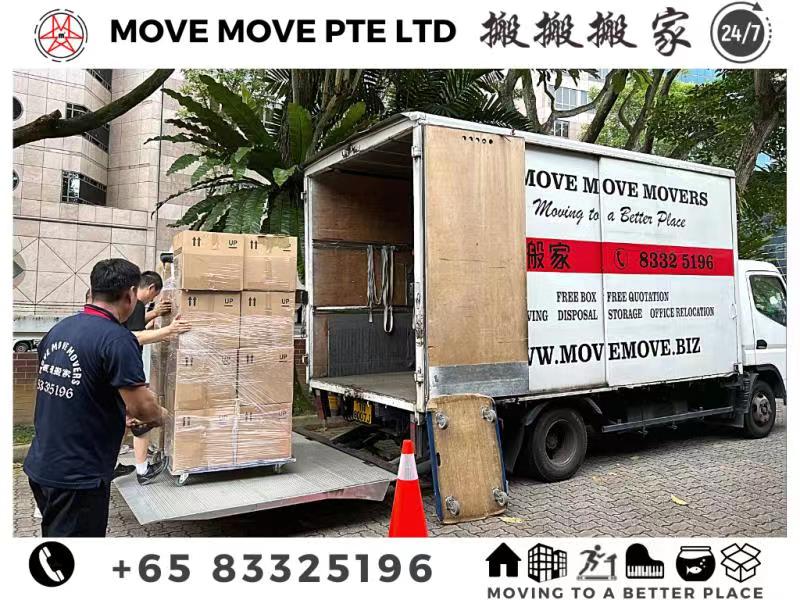
How to Find a Reputable Moving Company in Singapore
Use this to judge review quality, quote clarity, and whether the mover fits your actual property type.
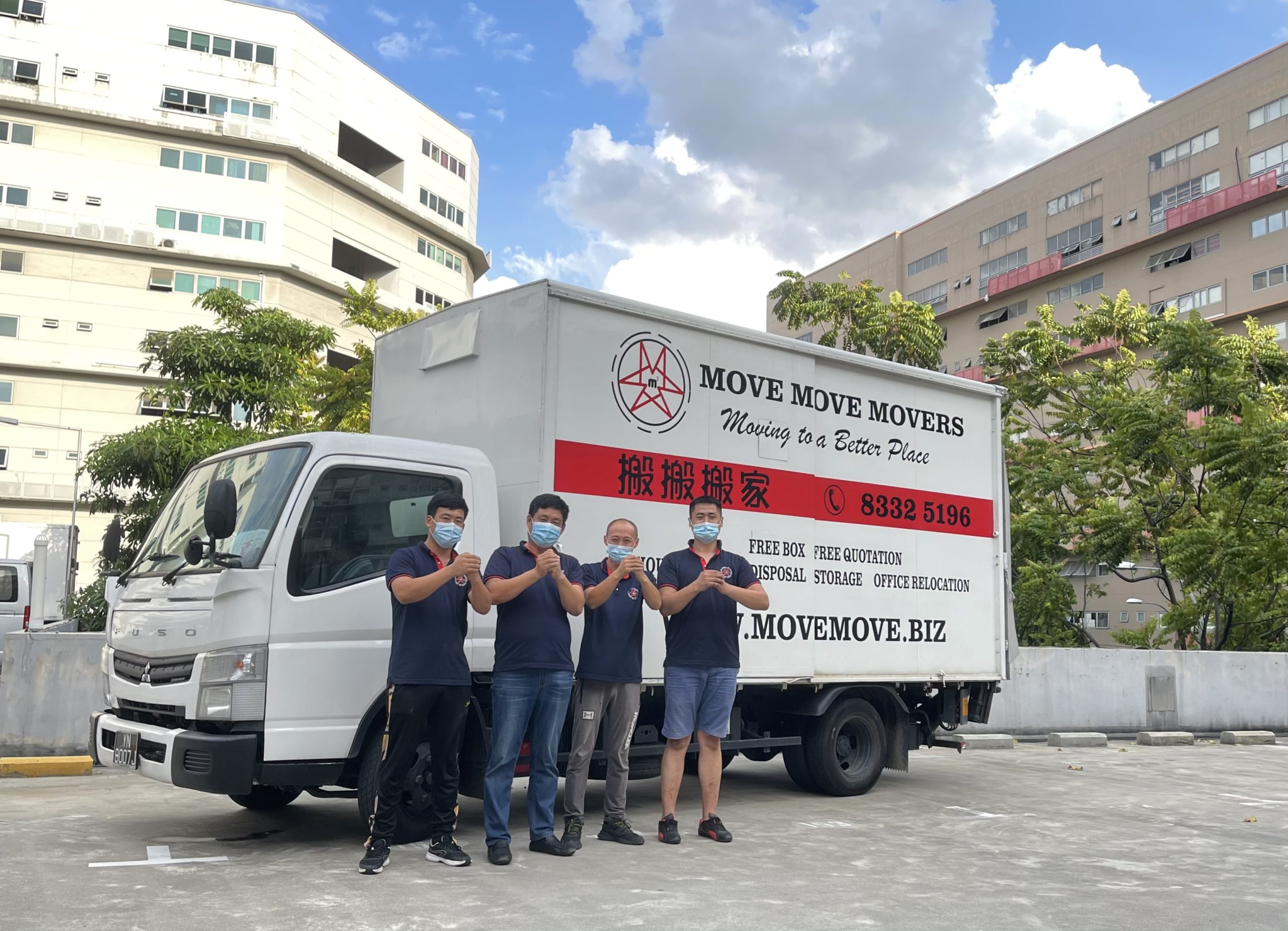
How Many Movers Do You Need for a House Move in Singapore?
A quick read for matching crew size to access, furniture weight, timing pressure, and packing status.

New-Launch Condo Moving Guide Singapore
A practical guide to condo booking rules, loading flow, defects timing, and move-day sequencing.