









Customers trust disposal teams that execute cleanly on site
The useful trust signals are practical: route planning, careful carry-out, and a quote that still matches when access conditions are tight.


Office disposal usually happens under tighter conditions than residential removal. Move-out deadlines, reinstatement windows, layout changes and downsizing all make building coordination just as important as the carry-out itself.
We scope office jobs around loading-bay access, approved work windows, after-hours execution and actual item volume so the workflow fits the site instead of defaulting to a generic junk-removal answer.

The strongest office-disposal quotes account for access rules, loading windows, staged clear-outs and how the job fits the broader move-out programme.

The useful trust signals are practical: route planning, careful carry-out, and a quote that still matches when access conditions are tight.
Commercial buyers usually verify more than price. They check public reviews and whether the team can handle building rules and handover pressure professionally.

Commercial disposal often has to happen within approved windows, around building rules and sometimes after business hours. The disposal team has to understand the site, not just the furniture list.
That is why we focus on clear scoping, coordination and execution rather than vague claims. Commercial clients want a partner who can clear the space without creating new problems at handover.
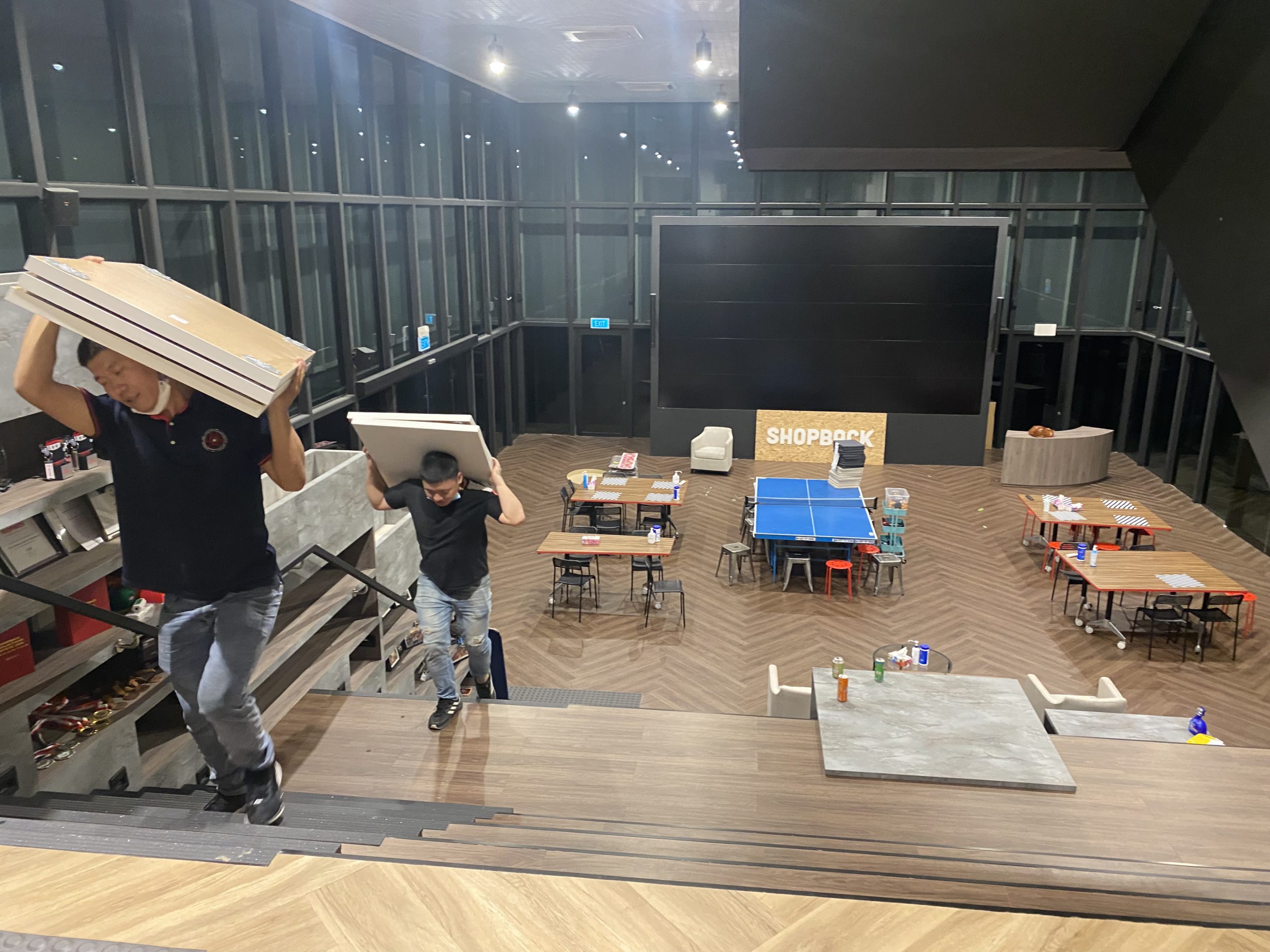
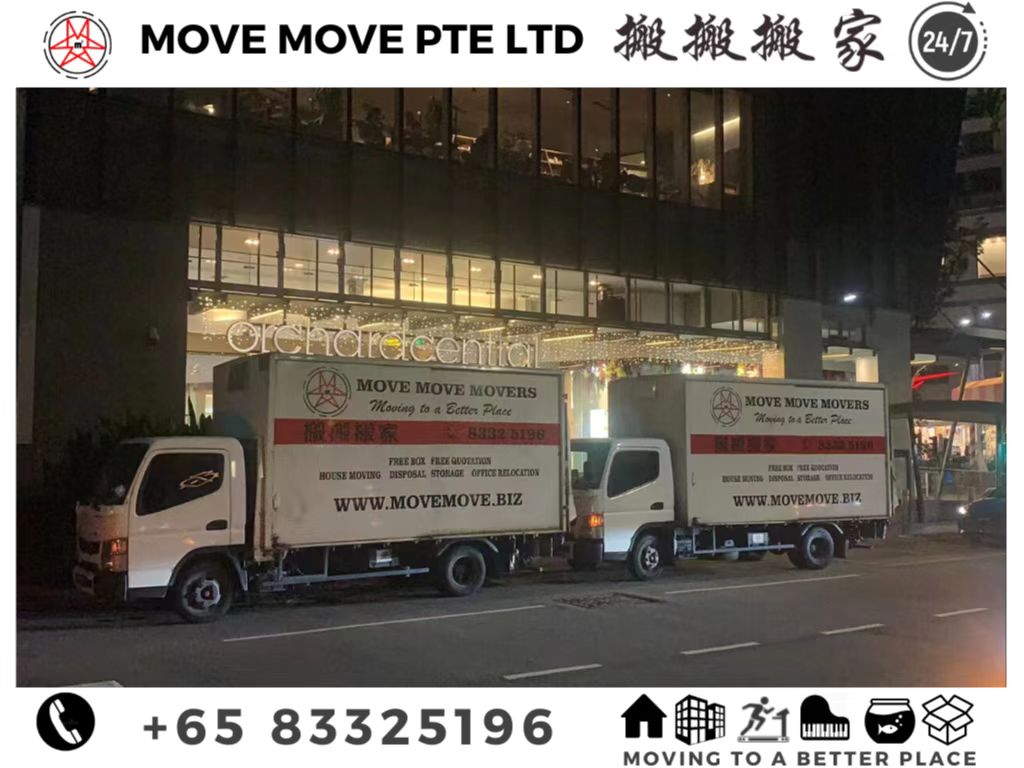
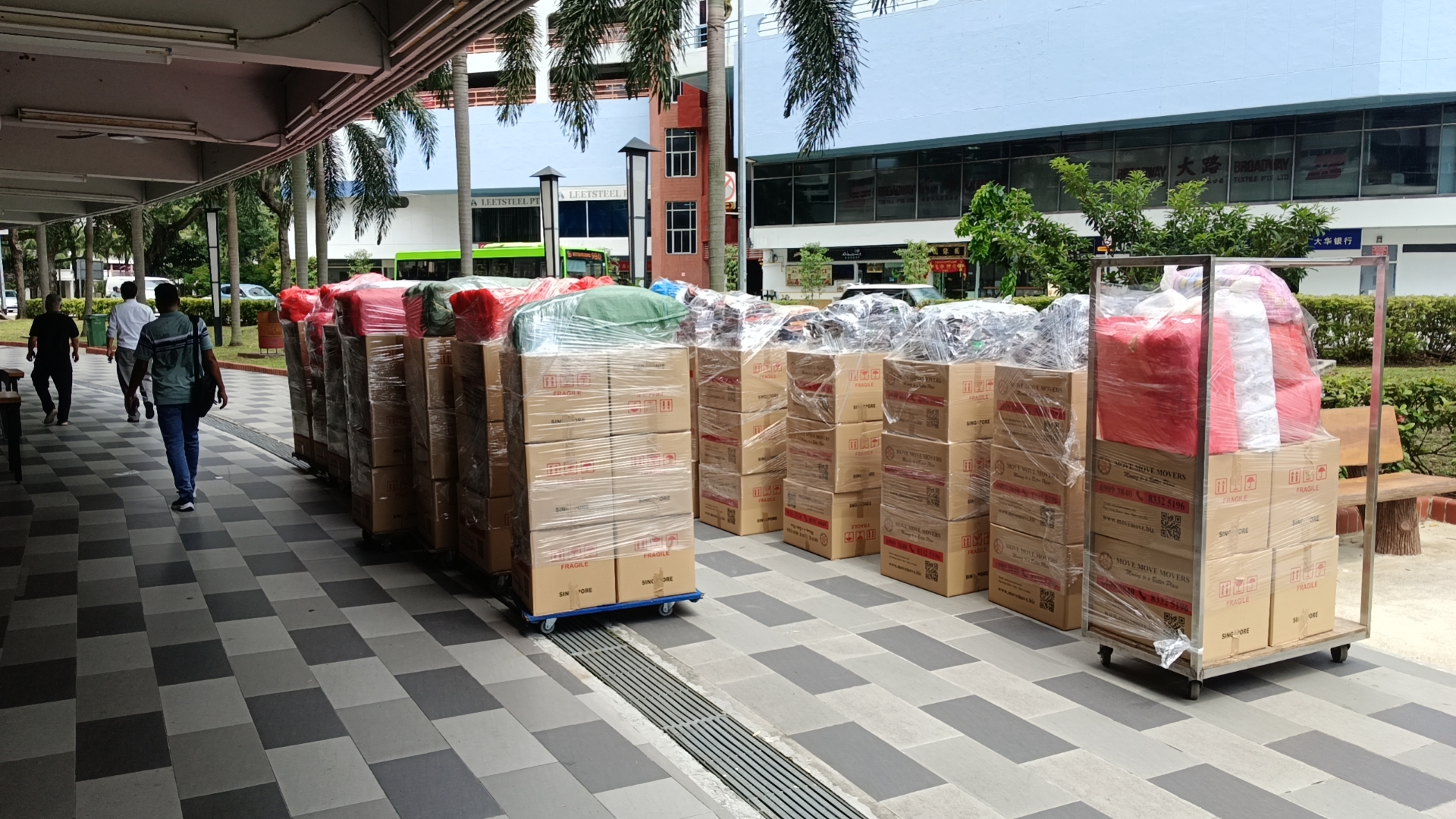
These images show the environments that usually drive office-disposal decisions: after-hours windows, panel carry-out, loading-bay rules and tight commercial deadlines.

Useful when the office-disposal scope sits inside a wider move-out or reinstatement workflow and the client wants a more polished commercial setup.

Used when the project needs a more formal commercial workflow with building coordination and branded site attendance.

A broader commercial-project visual that supports reinstatement-style planning and larger office clear-outs.
We keep the scope clear and buyer-facing so commercial teams can tell quickly whether the service fits the job.
If a project includes hazardous materials or regulated industrial waste, that needs a separate compliant route. We do not hide that kind of work inside generic office-disposal wording.
Commercial buyers usually want to see the execution sequence. A clean process section builds more confidence than vague marketing copy.
We scope item volume, access, building requirements and whether the job is tied to a move-out or reinstatement deadline.
The quote reflects labour, transport, access and timing instead of generic commercial-waste language.
Where needed, we work around loading-bay requirements, lift bookings, management rules and approved work windows.
Many office clear-outs are easier outside operating hours. We plan around that when the project needs it.
Once the load is cleared, items move through the correct disposal path for the agreed job scope.
Commercial pricing is shaped less by one item and more by time windows, site rules and how tightly the job fits the wider handover plan.
These are the questions we hear most from commercial clients before a disposal project is booked.