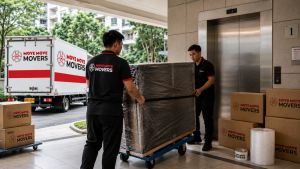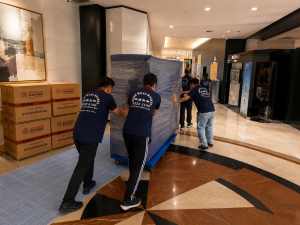











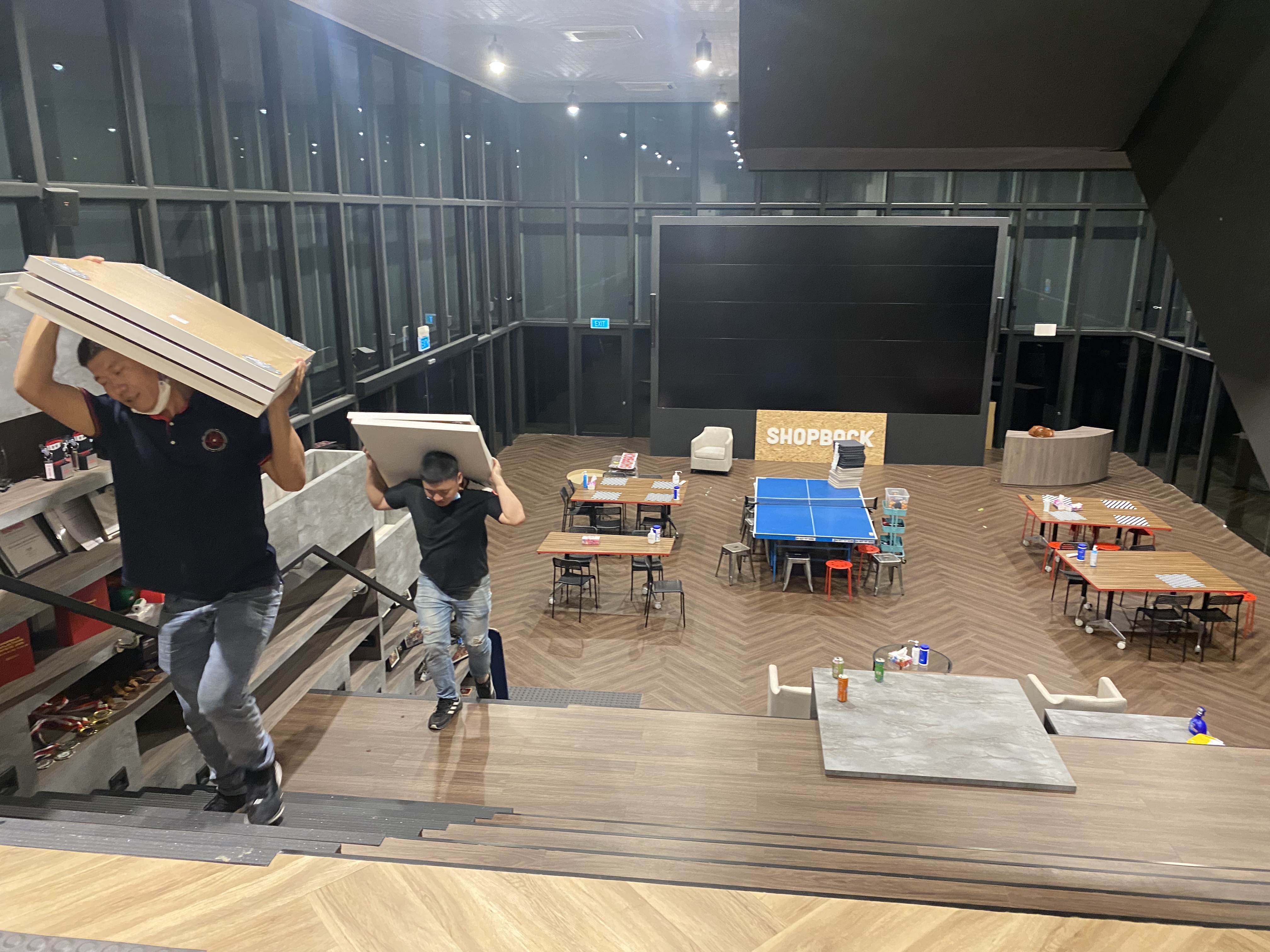
Commercial relocations in Singapore rarely become stressful because of transport alone. Most delays begin earlier, when teams underestimate approvals, site access, internal coordination, or the amount of planning needed before move day.
That is why a commercial move should never be treated like a larger residential move. Offices, retail units, warehouses, institutional spaces, and mixed-use business sites all come with operating constraints that affect how the move must be planned.
If you are preparing for a business relocation, this checklist will help you start properly and reduce avoidable downtime.
Confirm site rules, approvals and access windows early
One of the biggest mistakes in commercial relocation is assuming both sites will be easy to access on the day. In reality, many buildings in Singapore have strict moving conditions around loading bays, lifts, approved work hours, security clearance and common-area protection.
If you wait too long to confirm these details, your move plan may need to be reworked at the last minute. That can affect manpower, truck timing and reopening schedules.
Build an asset list around business priority, not memory
A commercial move should not be scoped from memory. Start with a practical asset list that identifies what is actually moving, what needs special handling and what has to be operational first.
- workstations and office furniture
- IT devices, printers and shared equipment
- servers and other sensitive IT equipment
- retail fixtures or display units
- records and confidential documents
Where possible, group assets by department, room, zone or function. That makes labelling, sequencing and handover much easier.
Keep moving, disposal and storage clearly separated
A relocation project may include moving, but it may also involve disposal of old furniture, temporary storage, same-building transfers, e-waste handling or move-out clearance. These are not automatically the same job.
Keeping the relocation scope separate from disposal or storage scope gives your team better cost clarity and reduces disputes over what is and is not included.
Plan around recovery, not just transport
Commercial moves are judged by operational recovery, not only by whether items arrived safely. Decide which teams need to reopen first, what equipment must be delivered first, and whether the move should happen in one phase or several phases.
If your teams have different reopening priorities, after-hours or phased execution may be the safer choice.
Align building management, lift booking and site coordination
A commercial move can look fully planned on paper and still fail because site coordination was too loose. Clarify truck entry time, loading route, lift reservation, protection requirements, and who will be present for access and handover.
This is one reason businesses choose a project-managed commercial moving service in Singapore instead of treating the move as a simple transport booking.
Brief internal stakeholders before move day
Before the crew arrives, your teams should already know the move date, packing instructions, label format, what employees should handle themselves, and what the first day in the new site is meant to look like. This reduces confusion and helps the move stay orderly.
If your project is office-led, our office movers in Singapore page goes deeper into office-specific planning and downtime control.