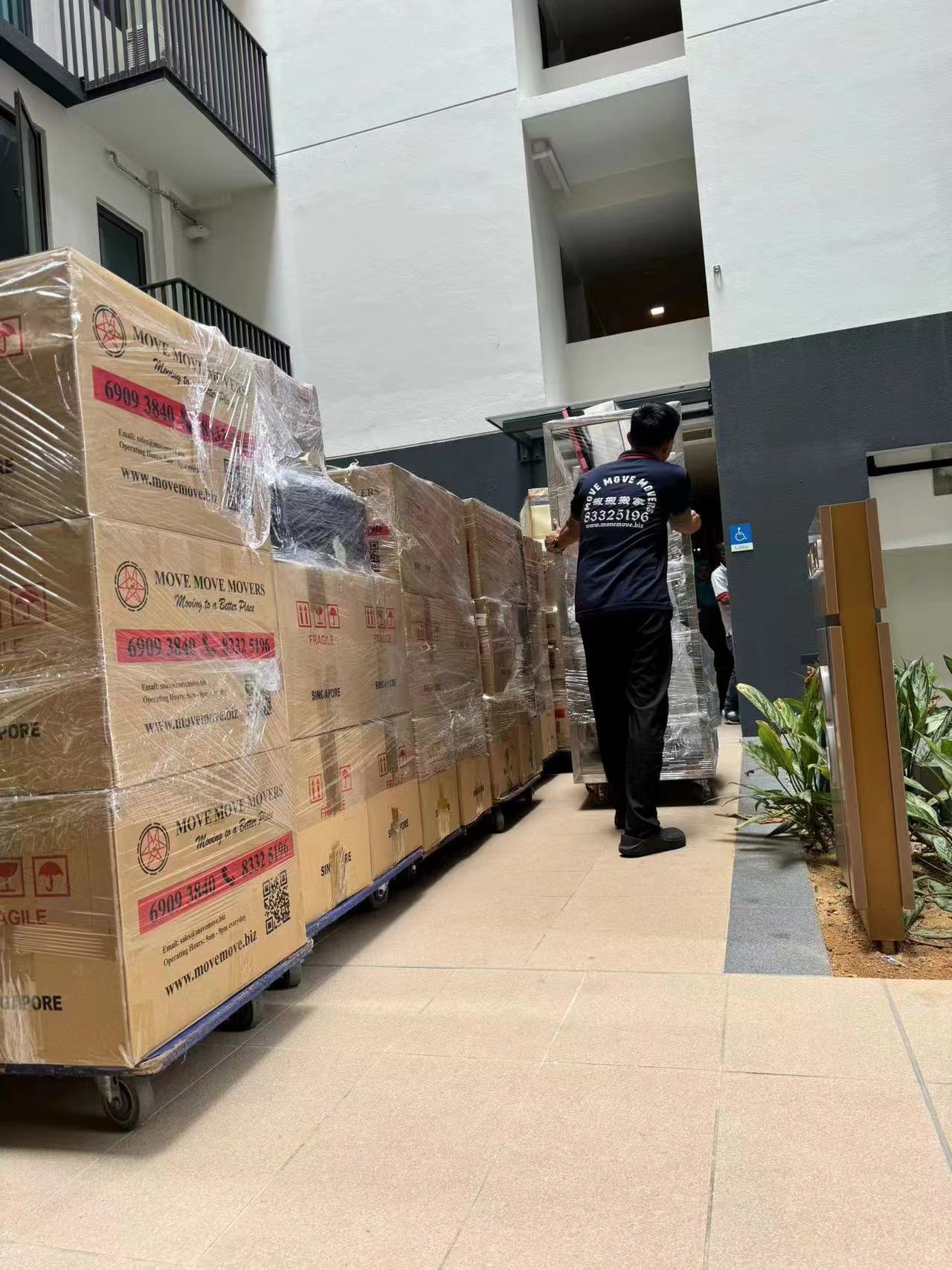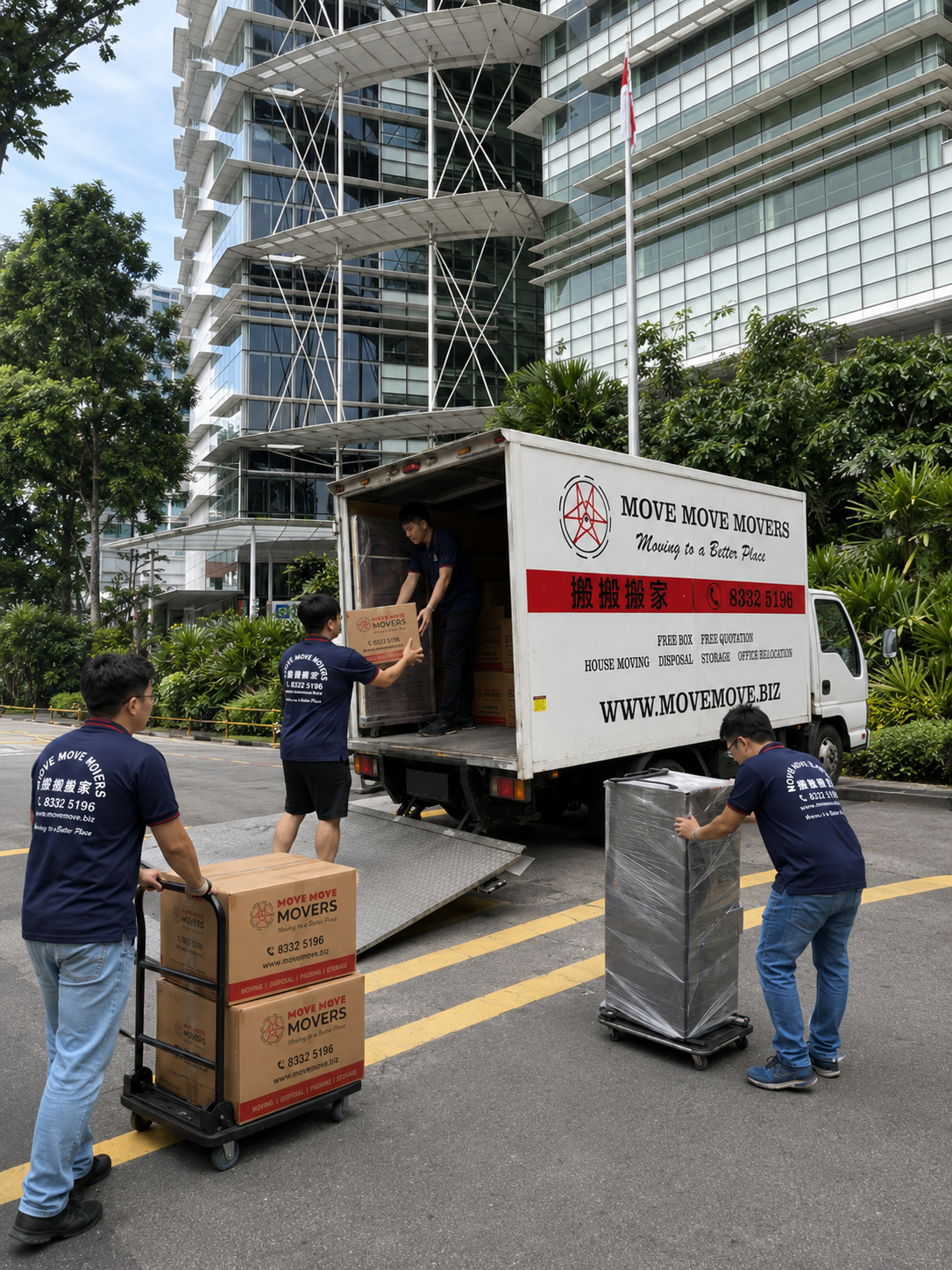











You have booked your mover, confirmed your new address and started packing. Then the condominium management office sends you one more requirement:
“Please submit a crossed cheque for the S$1,000 moving deposit before your application can be approved.”
There is just one problem: you do not have a cheque book.
This has become a common frustration for people moving into or out of private condominiums in Singapore. Everyday payments have shifted to PayNow, FAST and mobile banking, yet some Management Corporation Strata Title, or MCST, moving forms still request a physical cheque.
So, what has actually changed with cheques in Singapore, and what can residents do when their condo management insists on one?
If you are also comparing mover requirements, review our Condo Moving Service in Singapore page before submitting the condo moving form.
Quick Answer for Condo Residents
Personal cheques have not been discontinued in Singapore, but many residents no longer keep cheque-enabled accounts. If your MCST asks for a moving deposit by cheque, ask in writing whether it accepts PayNow to its UEN, FAST, EDP+, a cashier’s order or a bank-issued online cheque. Do not pay until the payee name, refund method and moving approval process are confirmed.
Does Move Move Provide the MCST Moving-Deposit Cheque?
For full-house condominium moves, Move Move Movers can continue to help with the MCST moving-deposit cheque while our existing cheque book remains available. This support is subject to booking scope, confirmed payee details, notice period, the condo’s current requirements and management approval. Please check with your coordinator before submitting the moving form. Once the existing cheque book supply is exhausted, residents may need to use the MCST’s approved alternative such as PayNow, FAST, EDP+, a cashier’s order or another bank-issued option.
First, Singapore Has Not Discontinued Personal Cheques
There is an important distinction between corporate cheques and personal or retail cheques.
From 1 January 2026, Singapore banks stopped issuing new SGD corporate cheque books, bulk cheque services and corporate cheque self-printing services. From 1 January 2027, banks will stop processing SGD corporate cheques altogether.
However, retail customers can still issue and deposit personal SGD cheques after 2026. This includes personal cheques made payable to corporate accounts, such as an MCST account. Cashier’s orders also remain available. (Association of Banks in Singapore)
Therefore, an MCST can still ask a resident to provide a personal cheque. The practical problem is that many residents no longer operate cheque-enabled accounts or keep cheque books at home.
For example, DBS currently limits new cheque-book requests to certain current and autosave accounts. The bank charges S$10 and states that delivery can take up to five working days. That is not particularly convenient when a resident discovers the cheque requirement shortly before moving day. (DBS Singapore)
There is another issue for condo management offices to consider. Where an MCST currently refunds deposits by issuing its own corporate cheque, that process will require an electronic or other non-corporate-cheque alternative by 2027.
The Condo Cheque-Deposit Problem Is Real
Publicly available moving forms from several Singapore condominiums show that cheque-based deposits are still part of some estate procedures.
For example:
- A Marina Bay Residences moving form requires a S$1,000 deposit by cheque before moving approval is granted. The cheque must be payable to the relevant MCST. The form also provides for deductions if common property is damaged or left dirty. (Marina Bay Residences)
- La Fiesta’s moving rules refer to a S$1,000 refundable deposit and instruct residents to contact the managing agent for the release of the “cheque deposit” after the move.
- Regentville’s mover registration form records a bank or cheque number and requires a S$1,000 refundable deposit payable to its MCST. (Regentville)
These forms demonstrate the gap between Singapore’s increasingly digital payment environment and some long-standing condominium procedures.
However, publicly posted forms may not reflect the management office’s latest payment practices. Always obtain current instructions directly from the MCST or managing agent before arranging payment.
Why Do Condominiums Collect Moving Deposits?
An MCST is responsible for controlling and managing a condominium’s common property. Each estate exercises a degree of self-governance, and its applicable by-laws and operational rules can differ from those of another development. BCA also states that enacted by-laws apply to residents even if they did not personally vote for them. (Building and Construction Authority)
A residential move usually involves the use of:
- Passenger, service or designated lifts
- Lift lobbies and common corridors
- Loading and unloading areas
- Basement or surface car parks
- Entrance doors, walls and floor finishes
The moving deposit protects the estate against possible damage, cleaning costs, abandoned cartons or breaches of its moving rules.
Publicly available condo forms commonly require lift padding, floor protection, designated moving times and the removal of packing materials. They may also allow the MCST to deduct repair or cleaning costs from the deposit. (Marina Bay Residences)
The deposit itself is not necessarily the problem. The difficulty is requiring only one outdated payment method when many residents do not have access to it.