

How to Compare Disposal Services in Singapore Before You Book
Compare disposal providers by scope, access planning, labour, and quote clarity so you can choose the right service without relying on headline price alone.

5,800+ Google reviews










Provider comparison guide
A useful comparison starts with the real job scope. If two providers are not quoting for the same collection conditions, the cheaper number may not actually be the better deal.
When customers compare disposal services in Singapore, the first question is usually price. The better question is whether two providers are even quoting for the same job.
This matters because disposal jobs are rarely just about “taking items away.” One provider may be assuming the items are already outside and ready for loading. Another may be including inside-unit collection, carrying, dismantling, and a tighter collection window. If you compare only the headline price, you can end up choosing a quote that looks cheaper but does not actually match the work.
This guide is meant to help you compare providers properly. If you still need the broad service picture first, you can start with our disposal service in Singapore. If you are already collecting quotes, the checklist below will help you compare them more realistically.
01Compare the real collection scope before comparing the price.
02Ask about access, labour, and dismantling before collection day.
03Use the main disposal page first if you are still unsure which service type fits the job.
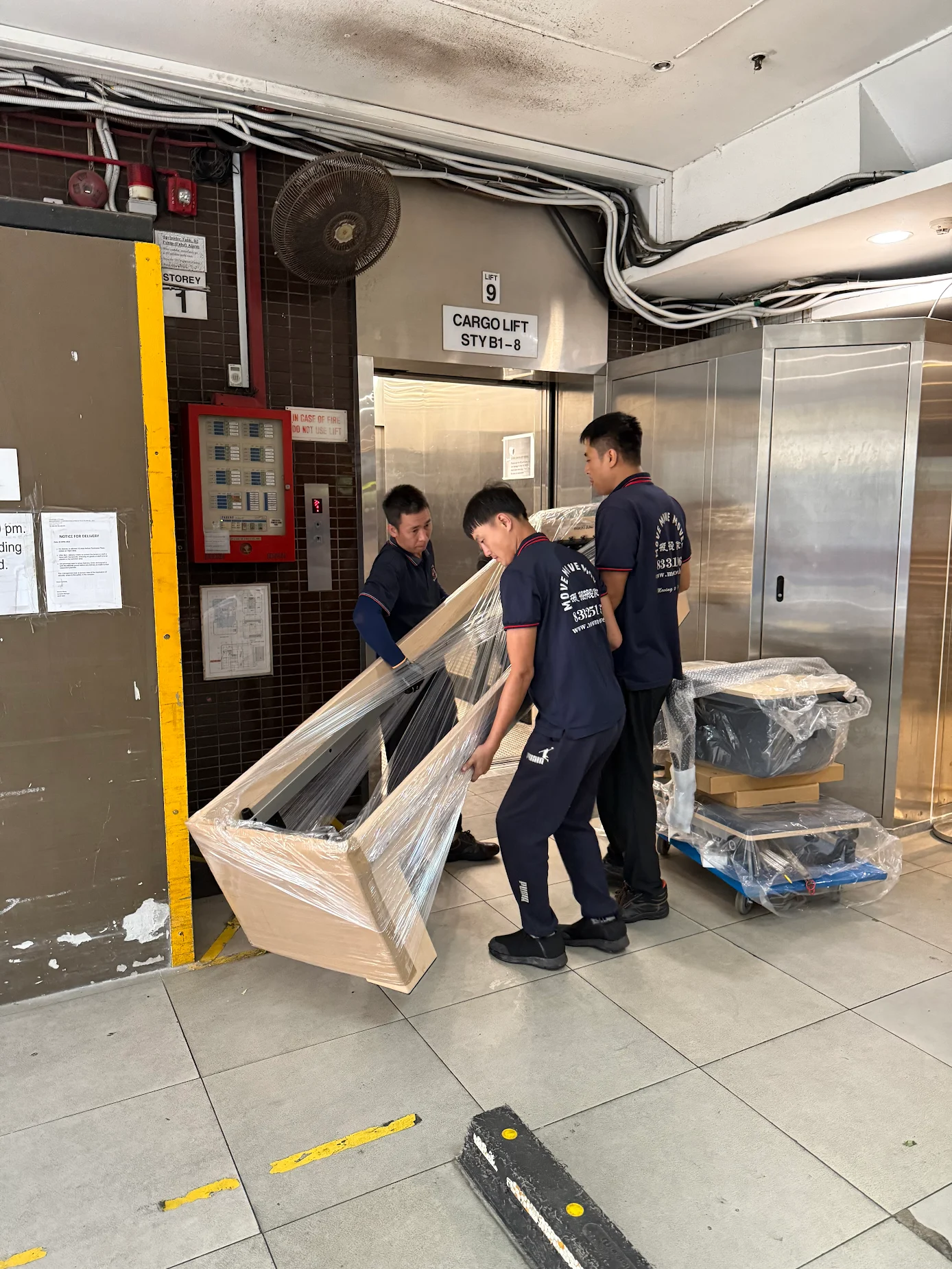
01Inside-unit collection versus simple pickup only
02Manpower, timing, and awkward-access fit
03Whether the quote really matches the workload
At a glance
Two quotes may sound similar while covering completely different workloads. Scope clarity should lead the comparison.
At a glance
A stronger provider will usually ask better questions about lifting, loading, timing, and dismantling before giving a firm answer.
At a glance
The best fit depends on the actual job. Some tasks sit inside a broader move, while others need dedicated disposal handling.
Compare smartly 01
Before you ask any provider for a quote, write down the actual scope as clearly as you can.
That includes:
This step sounds basic, but it is usually what separates a useful quote from a vague one. If the provider is estimating from an incomplete description, you may get a price for a much easier job than the one you really have.
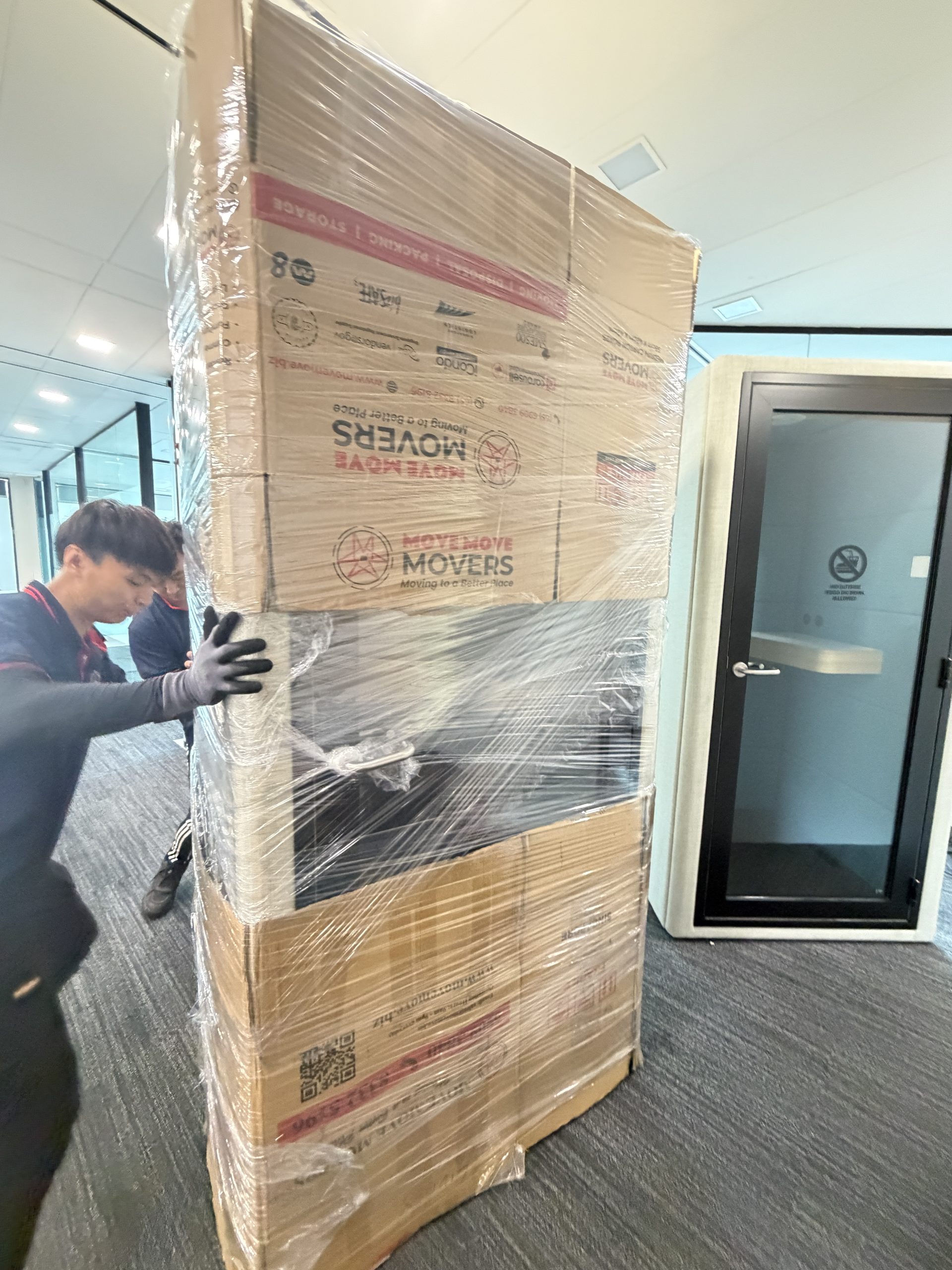
Why this matters
If the scope is unclear, the quote comparison will be weak no matter how many providers you contact.
Compare smartly 02
When comparing providers, do not stop at “How much?” Ask what is actually included.
Useful questions include:
Good providers usually answer these questions quite directly. If the answers are vague, it often means the scope is still not clear.
Why this matters
Stairs, long carry routes, and awkward panel handling are where weak quote assumptions show up fastest, even before the collection starts.

Compare smartly 03
Price matters, but it should sit beside a few other practical comparisons:
For example, a lower quote may be fine for a single straightforward item. But if the job involves a wardrobe, a mattress, and several smaller pieces still inside the home, a quote that ignores manpower and access can easily become a problem on collection day.
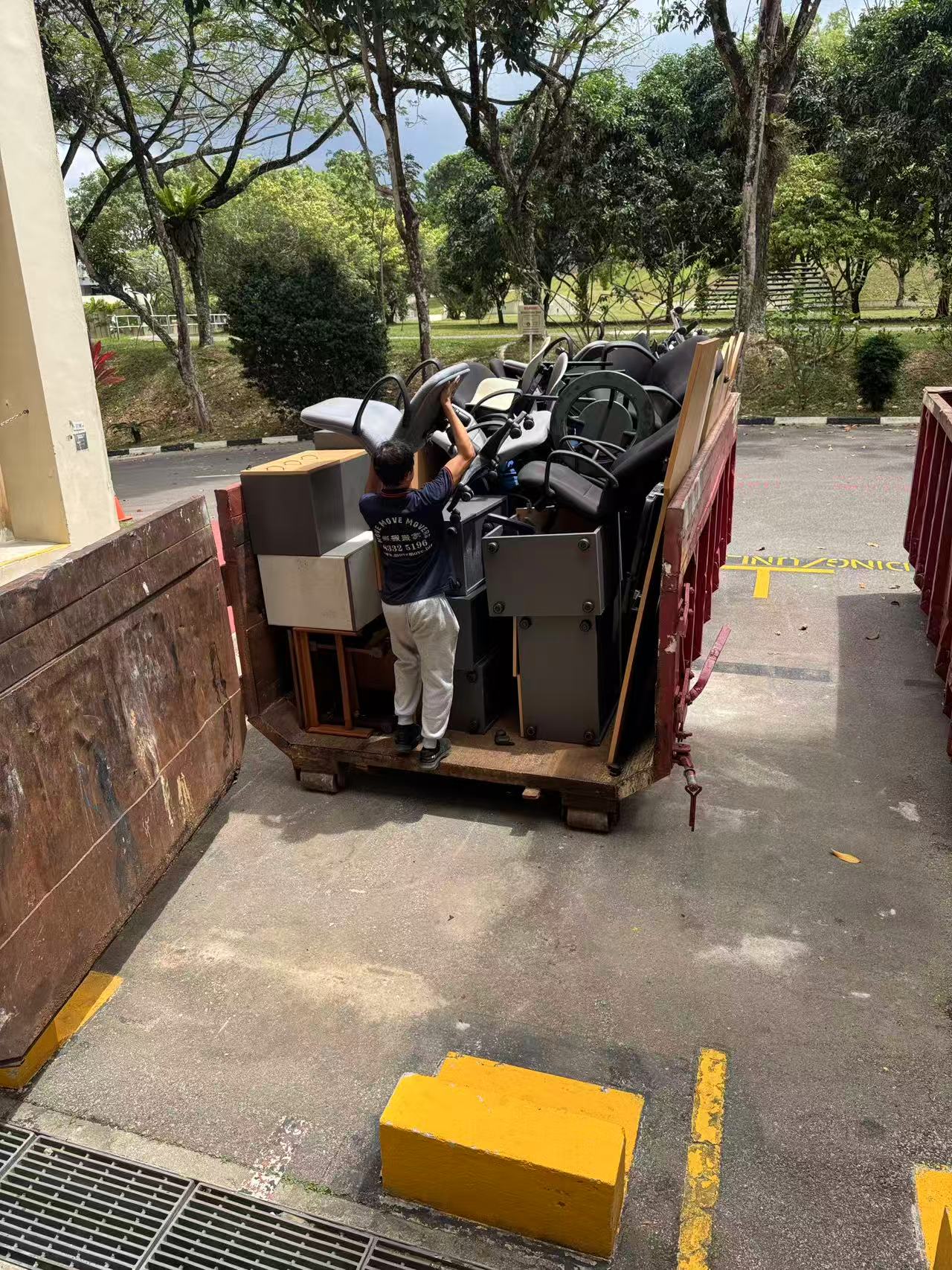
Why this matters
Once the job scope is clear, it becomes much easier to tell whether you need a broad disposal route or a more specific bulky-item option.
Compare smartly 04
A strong quote should make the job feel clearer, not more confusing.
At a minimum, it should help you understand:
If the provider avoids these details and gives only a broad number, that is usually a sign to ask more questions before agreeing.
Comparison check
Use this as a shortlist check before you decide whether two quotes are truly comparable or only sound similar at first glance.
What to compare
A stronger quote usually shows
Warning sign
Scope description
A clear item list, item count, staging assumptions, and whether inside-unit collection is included.
One vague number with no detail on what is actually being collected.
Access and loading
Lift, stairs, corridor turns, carry distance, loading bay rules, and timing windows are discussed early.
Nobody asks how the items are actually leaving the property.
Labour and timing
The team size, collection window, and whether same-day completion is realistic are made clear.
A fast promise is given without any discussion of manpower or scheduling.
Price changes
The provider explains what happens if the scope is slightly larger than expected or access is harder on site.
Extra charges only appear after arrival or after the job has already started.
Compare smartly 05
Some jobs sit naturally inside a wider moving scope. Others are better handled as dedicated disposal work.
A broader mover may be enough when:
A more disposal-focused option is often better when:
If the job is mostly larger household furniture, our bulky-item removal route is often the best comparison point. If the job is still broader, use our main disposal service page as the overall benchmark.
Compare smartly 06
You do not need to overcomplicate provider comparison, but there are a few red flags worth noticing.
Be more careful if:
Most bad disposal experiences come from a scope mismatch, not from the idea of disposal itself.
Compare smartly 07
Before saying yes, run through this checklist:
Those five questions usually lead to a better choice than any “top providers” style list.
Buyer FAQ
These are the questions that usually matter most once you have two or three quotes in front of you.
FAQ 01
Because the providers may not be pricing the same scope. One may assume the items are already staged outside, while another includes inside-unit carrying, dismantling, loading, and tighter timing.
FAQ 02
Send item photos, approximate quantity, where the items are now, stairs or lift details, your timing window, and any management or loading restrictions.
FAQ 03
A specialist is usually the better fit when disposal itself is the main job, the load is bulky or mixed, or the access is awkward enough that the disposal plan matters more than transport alone.
Compare smartly 08
If you want a clearer picture of what your disposal job actually needs before requesting quotes, start with our disposal service in Singapore. It gives you the main service paths, common workload differences, and a better starting point before you commit to any provider.
Route planning support
If you want a clearer view of manpower, access, and collection requirements before choosing a provider, start with our disposal service page and compare from a stronger position.
01Who is collecting from inside the unit and who expects staging first
02How many movers, what timing window, and what access route are assumed
03Whether dismantling, wrapping, or disposal documentation is included
Use the service page next when the job needs clearer manpower planning, more reliable collection timing, or a route that can handle awkward access cleanly.