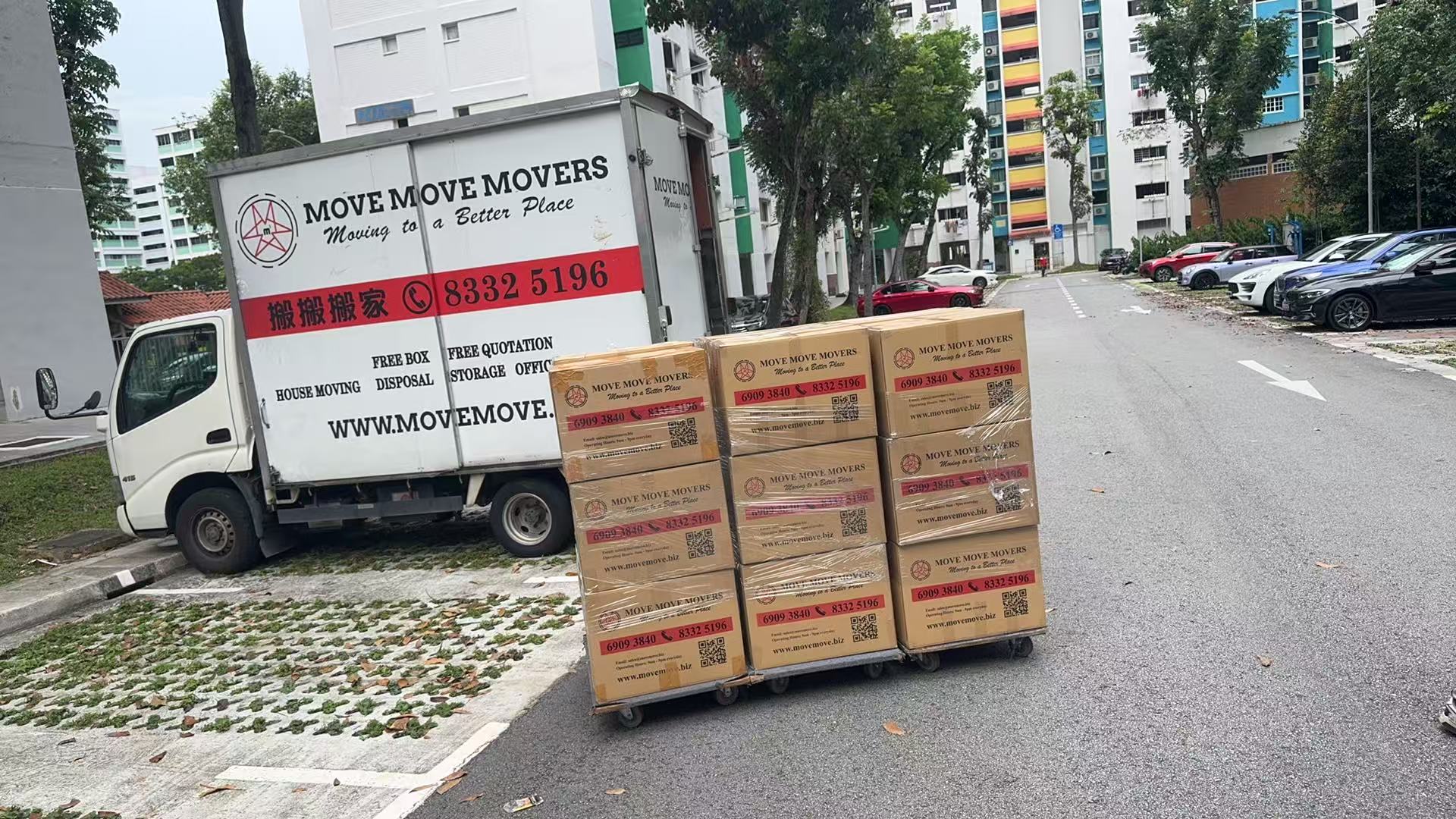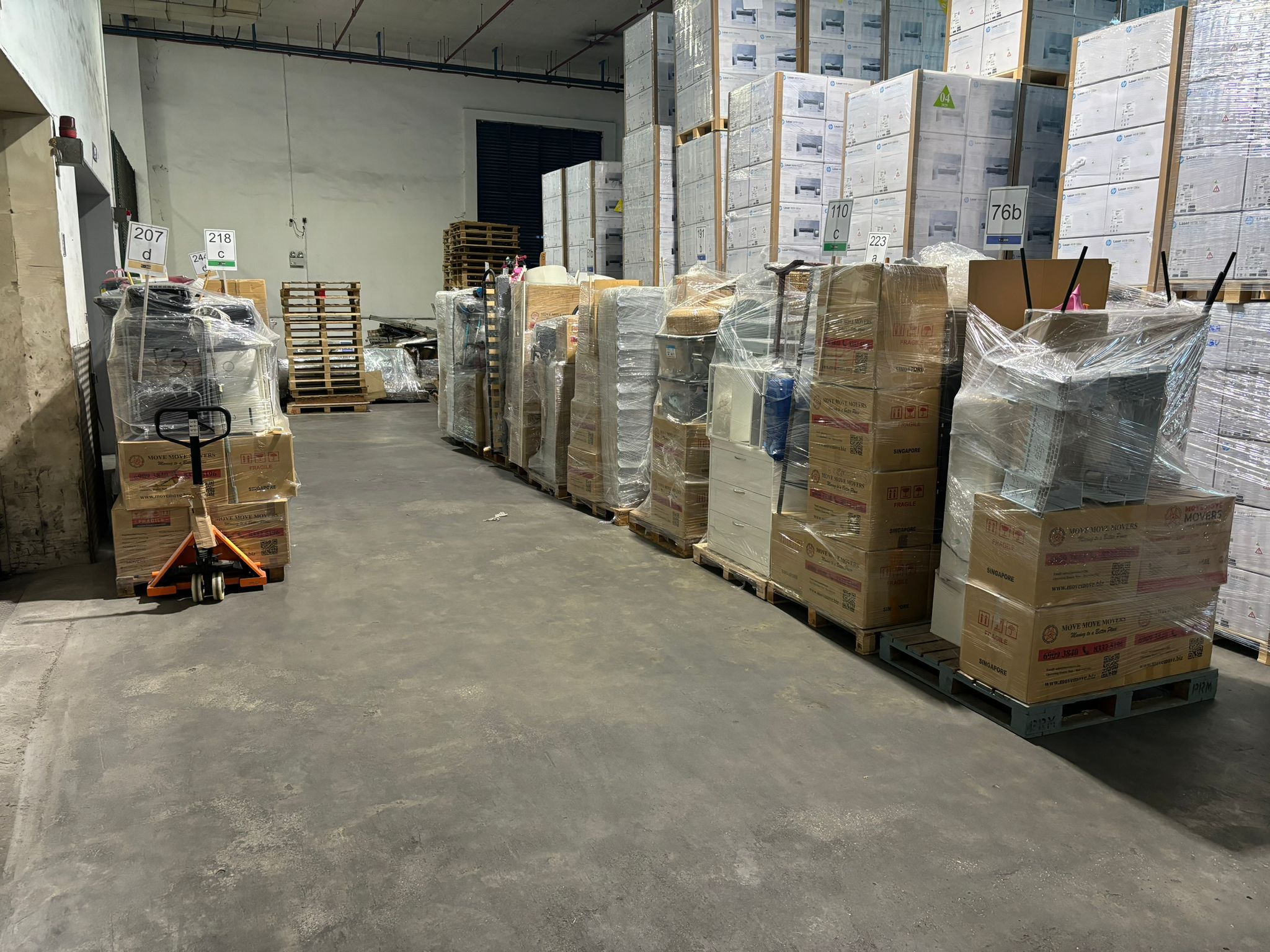











A house move feels easier when the timeline is visible from the start.
The phrase “moving checklist” sounds simple, but a useful checklist is not just a list of chores. It is a sequence that reflects how real local moves work: the quote depends on the final load, the building access affects the schedule, and the move-day stress usually comes from things that were not grouped properly beforehand.
This checklist is written for Singapore households moving between HDB flats, condos, or landed homes. Use it to organise the work before, during, and after the truck arrives so that the move does not become a long series of preventable decisions.
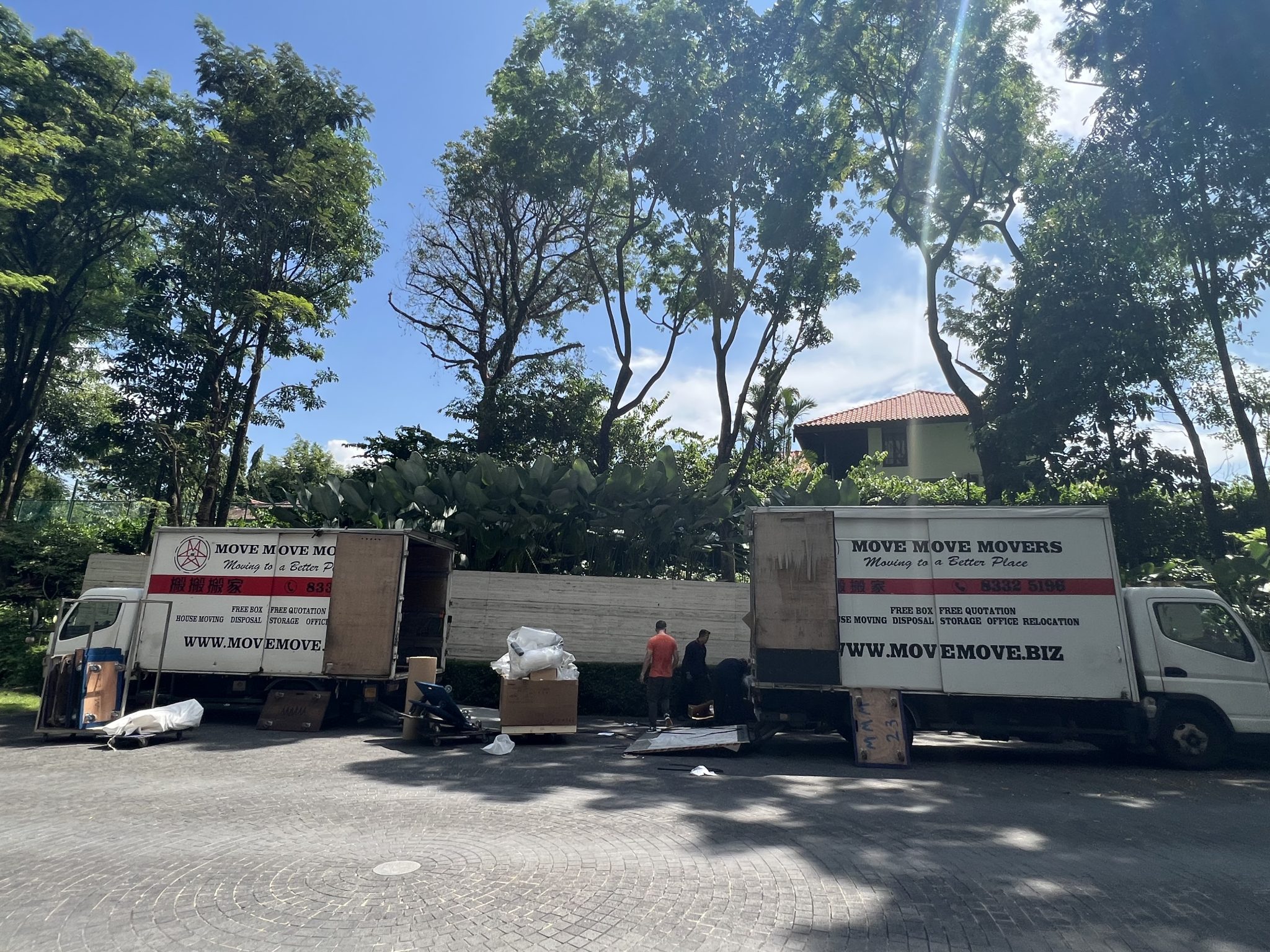
Two weeks before: lock the scope and the access
This is the point to finalise what is moving, what is not, and what requires separate handling. If you still intend to dispose of items, send some of them to storage, or add dismantling, update the mover while there is still time to plan properly.
If you are in a condo, confirm the lift booking or management requirements early. If you are moving from or to a landed property, confirm parking and carry-path reality rather than assuming the truck can stop exactly where you want.
- Finalise the furniture and bulky-item list.
- Check whether disposal or storage is part of the same move.
- Confirm access rules, truck stopping points, and any building paperwork.
Three to five days before: pack by sequence, not by panic
Once the scope is stable, focus on packing in a way that helps unloading. Label by room, but also separate first-night items, fragile items, and valuables. If something must be unpacked first, it should not disappear into the middle of the general load.
This is also the right window to group children’s items, pet items, medications, chargers, and documents so that no one is hunting for basics after arrival.
- Prepare an essentials set for the first 24 hours.
- Pack fragile items with clear markings and do not mix them into general cartons.
- Tell the mover which pieces need special handling or should be loaded last and unloaded first.
The day before: make the site easy to work with
Good moving days begin with clean access. Clear the walk path, identify the items that stay behind, and make sure the lift and corridor route are usable. If you are moving from a busy building, confirm the booking window one more time so there is no surprise at the loading point.
If you need storage, same-day disposal, or furniture reassembly, this is the last moment to confirm those workflows clearly.
- Separate items that are not moving so the crew is not forced to guess.
- Charge phones and keep your key contacts available.
- Reconfirm timing if your building has a narrow moving slot.
Move morning: run the handover cleanly
When the crew arrives, walk through the job once, point out fragile or special items, and confirm the unloading priorities at the new place. A short coordinated briefing saves more time than repeated corrections later.
One person should handle move-day decisions on your side. If several family members give different instructions, the crew will lose time rechecking what should go where.
- Point out high-risk items immediately.
- Confirm which cartons or furniture should be unloaded first.
- Keep valuables, passports, wallets, and key documents with you.
After arrival: finish the move intentionally
The move is not complete when the truck leaves. It is complete when the right essentials are available, the fragile items are checked, and the next-day confusion is removed.
Take a quick inventory of critical pieces, document any immediate issue while the details are fresh, and keep access to the boxes you need first instead of opening everything at once.
- Check high-value and fragile items early.
- Unpack essentials before decorative or low-priority items.
- If you staged extra cartons for later, decide whether they stay in the home or go to storage.
Special checklist: valuables, children, pets, and admin tasks
House moves become more manageable when you separate emotional risk from physical risk. Valuables should stay with you. Children and pets need a stable mini-plan. Utilities and service activation should not be left to guesswork.
- Keep passports, jewellery, cash, devices, and important papers outside the moving load.
- Prepare a comfort kit for children or elderly family members if the move will be long.
- Plan where pets will stay during loading and unloading.
- Check internet, utilities, and any access cards or management handover items ahead of time.
- If you need a local move benchmark, compare against the house moving workflow and use the contact page early if the scope changes.
When should I stop changing the item list?
Ideally several days before move day, especially if the changes involve bulky furniture, disposal, or storage. The later the changes happen, the more likely the timing or manpower plan will shift.
What should never go into the moving truck?
Passports, cash, jewellery, irreplaceable documents, and any small essentials you need immediate access to should stay with you.
What is the most overlooked part of a house moving checklist?
Access planning. Many customers focus on boxes and forget that lift booking, loading points, and walking distance can shape the whole day.
Should I plan storage before I know for sure I need it?
If your renovation, handover, or room readiness is uncertain, yes. Knowing the storage fallback early helps prevent a last-minute scramble.
Need a move plan that is easier to execute?
Use this checklist early, not the night before. Clear scope, access planning, and unloading priorities usually determine whether move day feels controlled.
Continue Reading
Related Move Move Movers articles chosen to match the topic of this guide, so readers can keep exploring the next useful angle.